Common Spanish Adverbs and Sample Sentences
In everyday life and communication, Spanish adverbs help us describe time, manner, degree, and other information more accurately. Many beginners tend to overlook the placement and collocation of adverbs, but mastering these skills can make your expression more natural. Adverbs generally do not change according to gender or number, which is one of their distinctive characteristics.
Time Adverbs
Examples: hoy, ayer, mañana.
Example sentences: Hoy estudio español en casa. Ayer salimos a pasear por la ciudad. These adverbs are often placed at the beginning or end of a sentence to emphasize time.
Manner Adverbs
For example: rápidamente, cuidadosamente.
Example sentences: Ella conduce rápidamente cuando tiene prisa. Trabajó cuidadosamente para avoid mistakes.
Degree Adverbs
Examples: muy, poco, bastante.
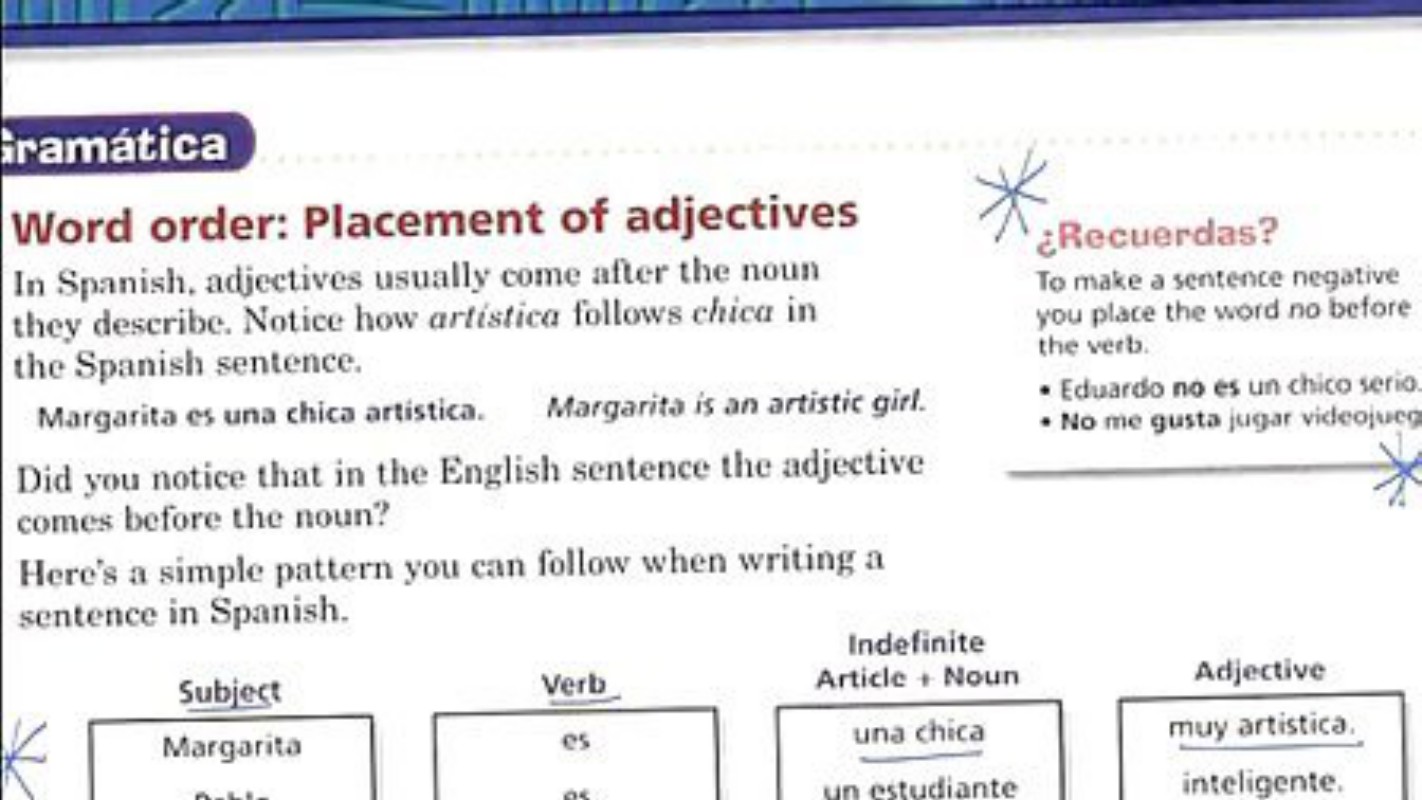
Example sentences: Este café está muy caliente. Hay poco tiempo antes de que empiece la reunión. Estos libros son bastante interesantes. When using degree adverbs, they are usually placed before adjectives or other adverbs.
Common Adverbs Table
| Adverb | Meaning |
|---|
| siempre | always |
| nunca | never |
| a veces | sometimes |
| aquí | here |
| allí | there |
| encima | above/on top |
Study Tips
During daily practice, consciously incorporate different categories of adverbs to give your sentences more depth. It is recommended to spend 5 minutes a day creating sentences—for example, using time adverbs to describe your daily schedule, or manner adverbs to detail an action. Over time, you will find that using adverbs becomes smooth and natural, and the Spanish grammar and example sentences listening comprehension will also improve.
We hope this sharing will help those learning Spanish to better master the use of adverbs, and we welcome everyone to add more Spanish grammar and example sentences of your favorite adverbs and sentences in the comments for mutual learning and exchange.
