The Unique Charm of Restaurant Design in Spain
In Spain, a restaurant is not only a place to dine but also a microcosm of urban culture. Many Spanish restaurant designers blend local history with modern aesthetics to create spaces that are both comfortable and full of stories. This design philosophy often focuses on the interaction between people and space, allowing guests to enjoy not only the cuisine but also the cultural ambiance.
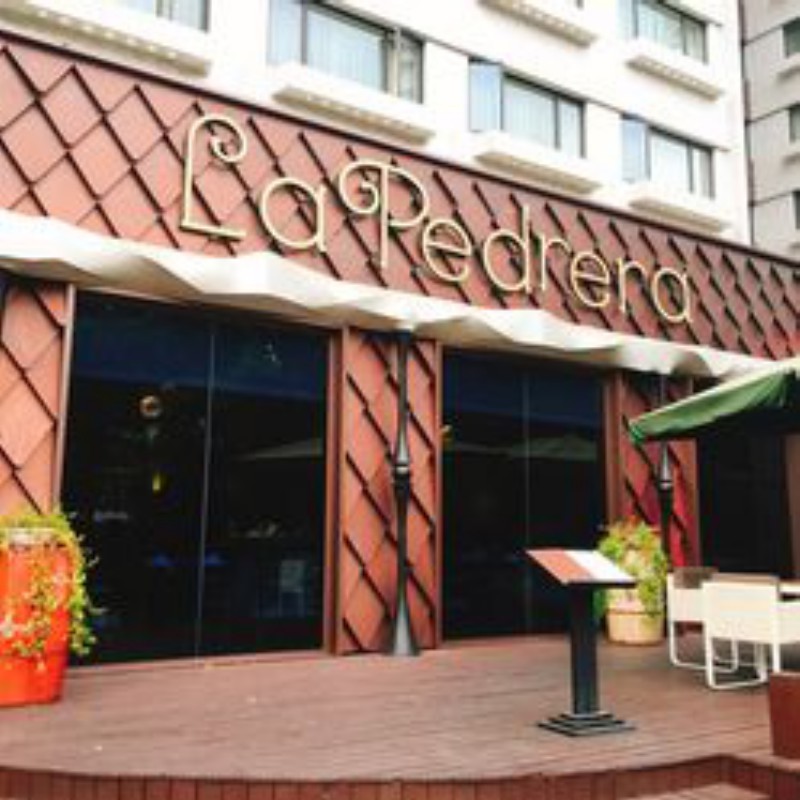
Spatial Layout and Flow
Great restaurant design must start with spatial layout. Spanish designers often consider the flow first, from the entrance to seating areas, the bar, and the kitchen, ensuring each step feels natural. A well-planned flow not only facilitates staff work but also makes the guest experience more comfortable. The following table lists some common layout highlights:
| Design Highlight | Purpose |
|---|
| Central open area | Enhances the sense of interaction |
| Window seats | Provide scenic experiences through Spanish restaurant design |
| Secluded corner | Suitable for private conversations |
Choosing Lighting and Color
Spanish restaurants often emphasize the harmony of light and color. Warm-toned lighting, such as orange or golden yellow, can create a cozy atmosphere, while cool tones suit modern minimalist styles. Designers often combine natural light with artificial sources, using Spanish restaurant cabinet design for zoned lighting to create varied dining experiences.
Use of Materials and Textures
When choosing materials, Spanish restaurant designers favor mixing wood, stone, and metal. Wood brings warmth, stone conveys solidity and historical depth, and metal adds a modern touch. This multi-material blend can present multiple layers within the same space. Never overlook material maintenance — preserving quality is key for long-term operation.
Incorporating Local Cultural Elements
Spanish restaurant decor often integrates regional elements such as local ceramics, hand-painted murals, or textiles with traditional patterns. This approach not only delights foreign visitors but also fosters a sense of belonging among locals. For [Spanish restaurant design] designers, understanding and respecting local culture is at the heart of creating a successful restaurant.
Spanish restaurant designers, when creating, focus on balancing space, light and shadow, materials, and culture—this comprehensive approach is worth referencing and learning from for the food service industry in other countries.
