Analysis of Spanish Restaurant Names and Culture
When living or traveling in Spain, you’ll notice that restaurant names on the streets are quite intriguing. They are more than mere signs; they carry local history, culinary traditions, and the owner’s personal touch. Some Michelin restaurant names are straightforward, such as naming the place directly after a signature dish; others are full of poetry, making you want to step inside just from reading them.
Names Classified by Cuisine
A common naming method in Spain is based on cuisine type or main ingredient. For example, “El Asador” means a grill house, and “Marisquería” refers to a seafood restaurant. This straightforward style lets customers immediately know the main type of dishes served.
| Example Name | Meaning |
|---|
| El Asador de Burgos | Specializes in Castilian grilled meats |
| Marisquería Galicia | Specializes in Galician seafood |
This form of naming is simple yet effective, especially for first-time visitors.
Geographic and Cultural Elements
Many restaurants incorporate geographic or cultural elements into their names, such as regions, bays, or towns, to emphasize local character. For instance, “Casa Sevilla” evokes the charm of Andalusia.
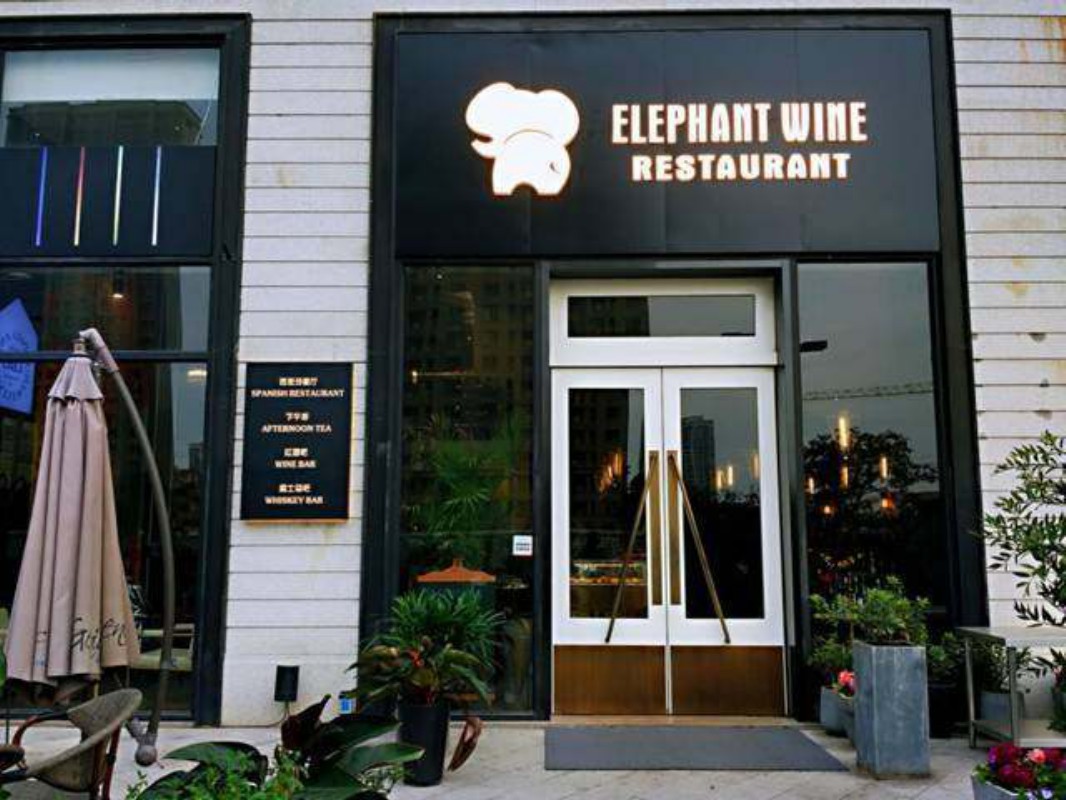
Such names often carry strong local sentiment, making it easy to form emotional connections with residents.
Names from People and Families
In Spain, family-run restaurants often use the family surname or given name as the Spanish restaurant name. This serves not only as a brand but also as a mark of trust. Examples include “Bar Juanito” or “La Cocina de María,” conveying warmth and tradition typical of home-style cooking.
Imagery and Creativity
Some restaurant names display great creativity, inspired by poetry, legends, or even animal names. Examples like “El Gato Negro” or “La Luna Roja” add a touch of mystery or romance, making the restaurant name more memorable.
Summary and Suggestions
Whether named by cuisine, geography, personal names, or imagery, restaurant names are a fusion of culture and gastronomy. If you live in Spain, pay attention to the stories behind different names—it will not only help you find delicious spots but also deepen your understanding of Spanish restaurant names and local culture.
