Before You Start: Why Choose Spain for the Food Service Business
Bars and restaurants in Spain are not only dining venues but also at the heart of the social culture. Whether on a narrow street in central Madrid or in a seaside town in Andalusia, a cup of coffee or a glass of red wine can often be the start of a new friendship. Compared to other countries, Spain’s food service industry enjoys the dual drive of locals and tourists, creating a lively business atmosphere.
Location and Environment
Choosing the right location is the first step to success. City center rents are high but foot traffic is abundant; in the suburbs, costs are lower but you rely on a fixed local customer base. It is advisable to first conduct foot traffic surveys and competitor analysis, even recording data with a simple table:
| Location Type | Advantages |
|---|
| City Center | High foot traffic, many tourists |
| Suburbs | Low rent, stable community |
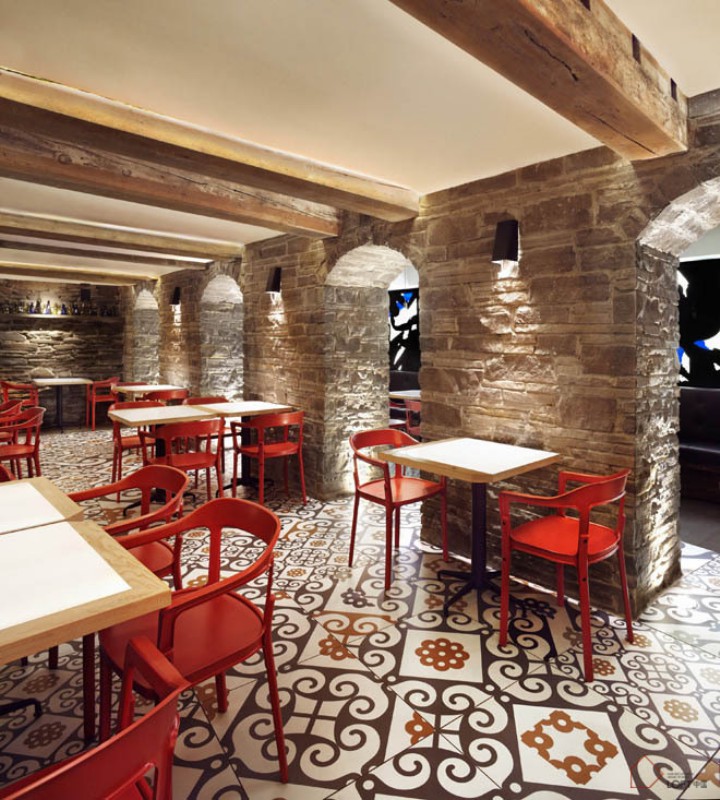
Menu and Unique Offerings
In Spain, menu design should not only consider flavor but also be in tune with local culture. For example, brunch could include tostada with tomato and olive oil; dinner might feature paella or various tapas. Keeping dishes updated and seasonal can give customers a sense of freshness. It is recommended to launch a seasonal signature dish every quarter, and use the Small Spanish Restaurant and Bar social media to announce it in advance.
Staff and Management
The food service industry demands high-quality service; from the bar to the kitchen, experienced staff are needed. For small establishments, owners often personally greet guests or mix drinks. Training could cover polite language, beverage introductions, and dish pairings. Through Spanish Restaurant and Bar Jiading Experience Sharing, you can arrange work hours and breaks reasonably to reduce staff turnover. A stable team is the key to long-term operation.
Finance and Marketing
Running a bar or restaurant requires solid financial management. Record income and expenses daily, summarize monthly, and identify issues promptly. In terms of marketing, combine Google Maps reviews, TripAdvisor ratings, and Evolution Spanish Restaurant and Bar by hosting music nights or wine tasting events regularly to boost traffic. Plan promotions ahead for the off-season to avoid traffic drop-offs.
In summary, running a bar or restaurant in Spain requires keeping up with trends while preserving tradition. By aligning with local lifestyle and consumer habits, and adjusting strategies flexibly, you can maintain a strong position in the competitive food service market.
