Experience Sharing on Bar and Restaurant Transfers in Madrid
In Madrid, whether in the historic city center or emerging neighborhoods, information on bar and restaurant transfers is always in high demand. In this post, I’d like to discuss several recent transfer cases I’ve come across, along with some personal insights from [Spanish Small Restaurant and Bar], to help potential buyers.
It’s important to note that taking over a bar or restaurant involves more than just rent and equipment; one must also consider the existing customer base, the stability of the commercial area, and the specific terms of the contract. Rent varies greatly from one area to another — in bustling districts, as illustrated in [Spanish Restaurant and Bar Price Guide], monthly rent can exceed €3,000, whereas in more remote neighborhoods it may be under €2,000. 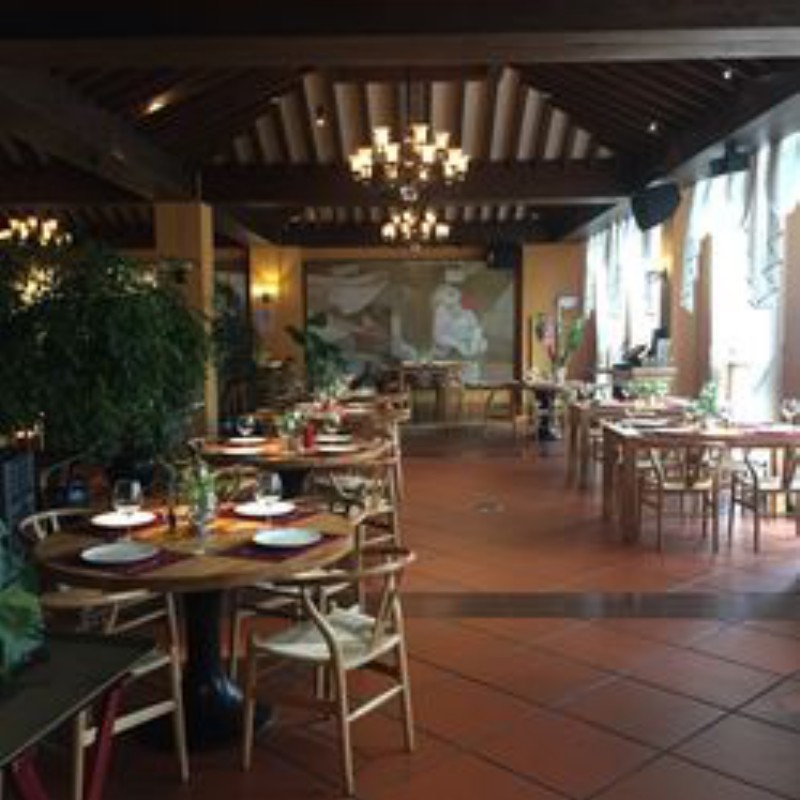
Transfer Process and Document Preparation
Normally, the seller will request a one-time transfer fee, which may, according to [Spanish Bar and Restaurant Business Usage Guide], include kitchen equipment, furniture, and current signage licenses. It’s advisable to involve a law firm or gestor to review the contract beforehand to avoid problems later, such as operating licenses that cannot be transferred. Pay special attention to health permits and terrace usage rights, as these are strictly regulated in Madrid.
| Item | Considerations |
|---|
| Transfer fee | Whether it includes equipment and inventory, negotiation room |
| Lease contract | Remaining term, renewal clauses |
| Permit documents | Health, alcohol, terrace usage rights |
Regional Differences
Taking Lavapiés and Salamanca as examples, the former is known for cultural diversity and a young clientele, making it suitable for affordable dining concepts; the latter targets a more upscale customer base, allowing for higher pricing per drink. Do not underestimate the consumption habits of different areas, as they directly affect your business strategy.
Self-Assessment
Before making a decision to take over, you could spend a week conducting foot traffic surveys at the location, tracking customer numbers in the morning, afternoon, and evening. It’s recommended to record customer types, which will help in future positioning and promotional planning.
Finally, it’s worth emphasizing that in Spain, the pace of the hospitality industry is completely different from many other countries — dinner service might not start until around 9 p.m. Adapting to the local lifestyle and culture is one of the key factors for success. If you have more transfer information or experiences from completed deals, feel free to share them in the comments below.
