The Charm and Details of Table Settings in Spanish Restaurants
In Spain, whether at a seaside restaurant in Barcelona or a small tavern in Madrid’s old district, the table setting reflects the restaurant’s character and culture. When people walk into a restaurant, the first thing they often notice is the table — its tidiness, color coordination, and the placement of tableware all influence the dining mood.
The Importance of Tablecloth and Color Coordination
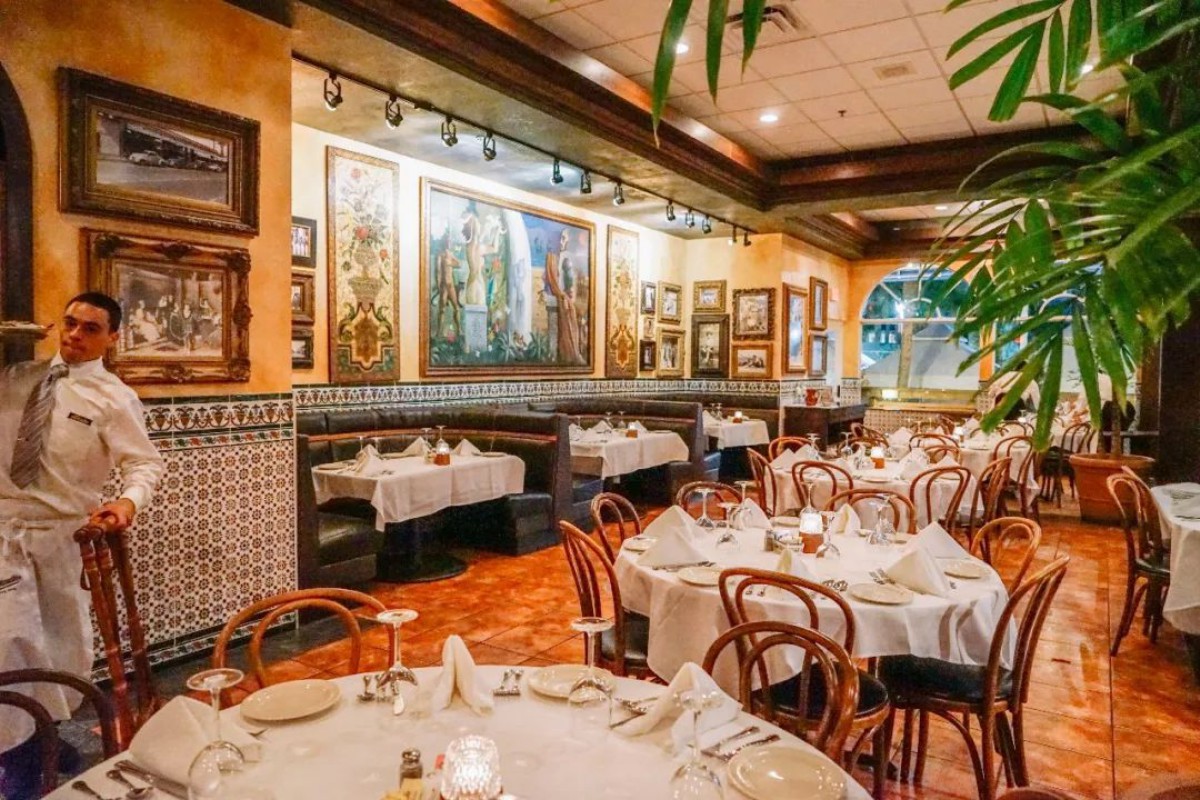
Spanish restaurants value the atmosphere created by color. Warm tones, such as burgundy or orange, create a cozy feeling and also echo the local wine culture. Some restaurants prefer pure white tablecloths, allowing the tableware and dishes to become the visual focus. The choice of color is not only about aesthetics but also about cultural expression.
Tableware and Placement Etiquette
The choice of tableware materials is also important in Spanish restaurants. Stainless steel, ceramics, and handmade glassware are common choices. Placement usually follows European dining etiquette: knives on the right, forks on the left, spoons above the plate. To make things convenient for diners, some Chilean Spanish restaurant arrangements prepare two sets of tableware in advance to accommodate different types of dishes. Attention to detail reflects professionalism.
Cultural Integration of Decorative Elements
In addition to practical tableware from Spanish-style restaurants, decorative elements from Spanish restaurant desks are also crucial. Spanish restaurants often place small bottles of olive oil, vinegar, or a small bouquet of fresh flowers on tables. In some regions, local ceramic ornaments are added to convey a sense of local charm. Over-decoration, however, can look cluttered, so moderation makes the dining table more comfortable.
| Element | Function |
|---|
| Tablecloth color | Creates atmosphere |
| Tableware material | Enhances the experience |
| Decorative items | Showcases culture |
Table Setting and Seasonal Changes
Spanish restaurants adjust their table settings according to the seasons. In spring and summer, they prefer light materials and refreshing colors, while in autumn and winter, they use heavier tablecloths with warm-toned lighting. This seasonal variation not only offers regular customers a sense of novelty but also reflects the restaurant’s attention to detail.
Summary and Interaction
Table setting is an essential part of the dining experience, combining aesthetics, practicality, and cultural symbolism. Next time you visit a restaurant, take a closer look at the details on the table. You may find that it’s not just a meal, but an expression of life.
Have you ever seen particularly clever or unique table settings in Spanish restaurants? Feel free to share your photos or impressions so we can exchange ideas together.
