Detailed Overview of Plaza de España Building Materials
Plaza de España can be found in towns across the country, each showcasing different styles. These plazas are not only central gathering places for the public but also expressions of architectural aesthetics and historical culture. This article highlights several iconic city plazas, discussing their primary materials and the stories behind them.
Stone and Its Texture
In the paving and decorative features of many Plaza de España locations, natural stone is an indispensable element. For example, the main square in Madrid often features granite pavement, offering excellent wear resistance and slip prevention. In the southern Andalusian region, limestone is more common, its light tones appearing soft and warm under the sun. Stone is not just a functional choice, but also an emotional continuation.
The Colorful Charm of Ceramics
When discussing Plaza de España, the decorative role of ceramics cannot be overlooked. Seville’s Plaza de España is famous for its vibrant mosaics, with these colorful tiles and glazed ceramics adding a rich artistic atmosphere to the entire plaza. Ceramics appear not only on benches and columns but also frame intricate scenes along the edges of the fountains. 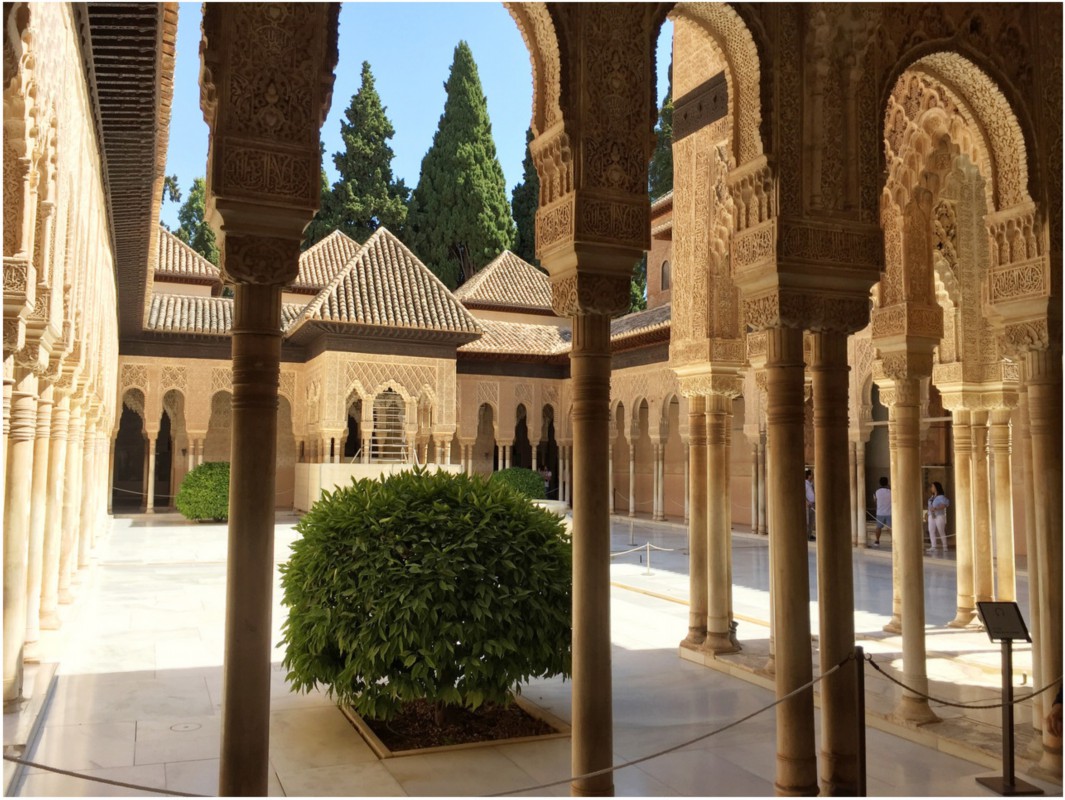
The Warmth and Economy of Red Brick
In some small and mid-sized cities, red brick is one of the main building materials for plazas. Red brick is not only economical and practical but also brings a sense of warmth through its color. It makes the space more inviting in winter and remains easy on the eyes under the bright summer sun. Although red brick tends to absorb water, modern protective coatings as discussed in Plaza de España Architecture can significantly improve its durability.
Wooden Details in Decoration
While wood is rarely used in main structures, its presence is strong in benches, pavilions, and as decorative elements on the façades of certain shops in Plaza de España. Especially in northern coastal cities, treated pine resists moisture and is easy to work with, making it an ideal material for finer details. The texture of wood can add a gentle visual layering to plaza spaces.
Material Comparison Overview
| Material | Features |
|---|
| Granite | Wear-resistant, slip-proof |
| Limestone | Soft tones |
| Ceramics | Vibrant colors, strong decorative value |
| Red brick | Economical, warm appearance |
| Wood | Natural texture, gentle effect |
In the design and maintenance of Plaza de España, the choice of materials directly influences both the user experience and visual impact. Whether opting for the historical feel of stone or the lively energy of colorful ceramics, each material forms part of the cultural fabric. May this guide offer Plaza de España some useful references for noticing plaza details during your travels or daily life, and we welcome you to share in the comments your favorite plaza materials and stories.
