The Origins of White Architecture and Spanish Charm
In southern Spain’s Andalusia, you will often see entire towns covered with snow-white houses. This style of white architecture is not only a visual delight but also a crystallization of centuries of wisdom in coping with hot climates.
It is said that the habit dates back to the Moorish period, when coating the walls with lime could reflect sunlight and reduce indoor temperatures. At the same time, lime has insect-proof and mold-resistant properties, making houses more durable. 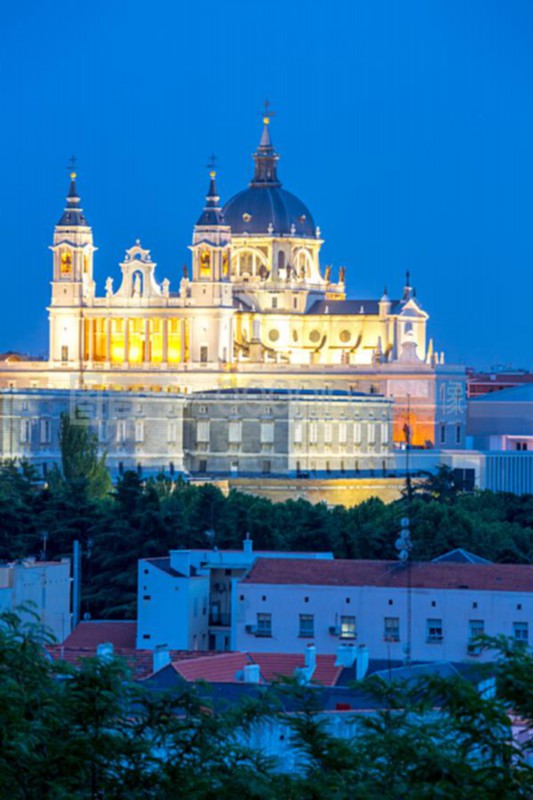
The Role of Climate Control
In the Mediterranean climate, summers bring intense sunlight, and white walls, through the high reflectivity described in Spain’s modern white architecture, can significantly reduce heat absorption. This natural cooling method allowed residents to enjoy relatively comfortable living conditions even in the pre-air-conditioning era. In winter, when sunlight is limited, light-colored walls do not cause significant indoor heat loss, making this approach beneficial year-round.
| Function | Explanation |
|---|
| Cooling | Reflects solar radiation, with towns like Spain’s white building villages staying cool indoors |
| Protection | Lime composition repels insects and resists bacteria, extending the lifespan of buildings |
Aesthetics and Community Consistency
White architecture creates a cohesive visual style, adding harmony and order to towns. In some coastal villages, every window and every narrow alley offers a gentle contrast to the white walls. This overall beauty not only fills residents with pride but also attracts countless photographers and travelers.
Tourism and Economic Value
Many villages famous for their white buildings, such as Mijas and Frigiliana, have become popular tourist destinations. Visitors come not only to observe the scenery but also to experience the slow-paced local lifestyle. The consistent white appearance is highly recognizable in online photos and postcards, greatly promoting local culture and economic growth.
Contemporary Continuation and Environmental Considerations
Although modern construction materials are more diverse, the traditional method of limewashing walls is still preserved in Andalusia and other regions. Young designers also incorporate this element into new constructions, emphasizing eco-friendly and sustainable development concepts. Through Spain’s white exterior wall architecture, using low-VOC lime paints preserves the traditional appearance while reducing environmental impact. In the future, finding a balance between preserving cultural identity and pursuing energy efficiency will be a key issue in the development of Spain’s white architecture.
In your own living experience, have you also felt the coolness and beauty brought by white walls? Feel free to share your experiences or photos from Spain’s white villages in the comments section.
