The Charm of White Stone in Spanish Architecture
Spanish architectural style holds an important place in the history of world architecture, and the use of white stone is particularly striking. This material not only offers a pure and elegant visual appeal but also demonstrates outstanding durability and practicality. It is often considered one of the souls of Mediterranean architecture, and whether in coastal town residences or in centuries‑old churches, white stone can be seen everywhere.
History and Origin
The use of white stone in Spain can be traced back to the Roman period, when craftsmen utilized abundant local stone resources to create grand public buildings and sculptures such as those highlighted in Spanish White Facade Architecture. Notably, the white limestone produced in Alicante Province and Mallorca Island is fine‑grained and warm in color, as shown in 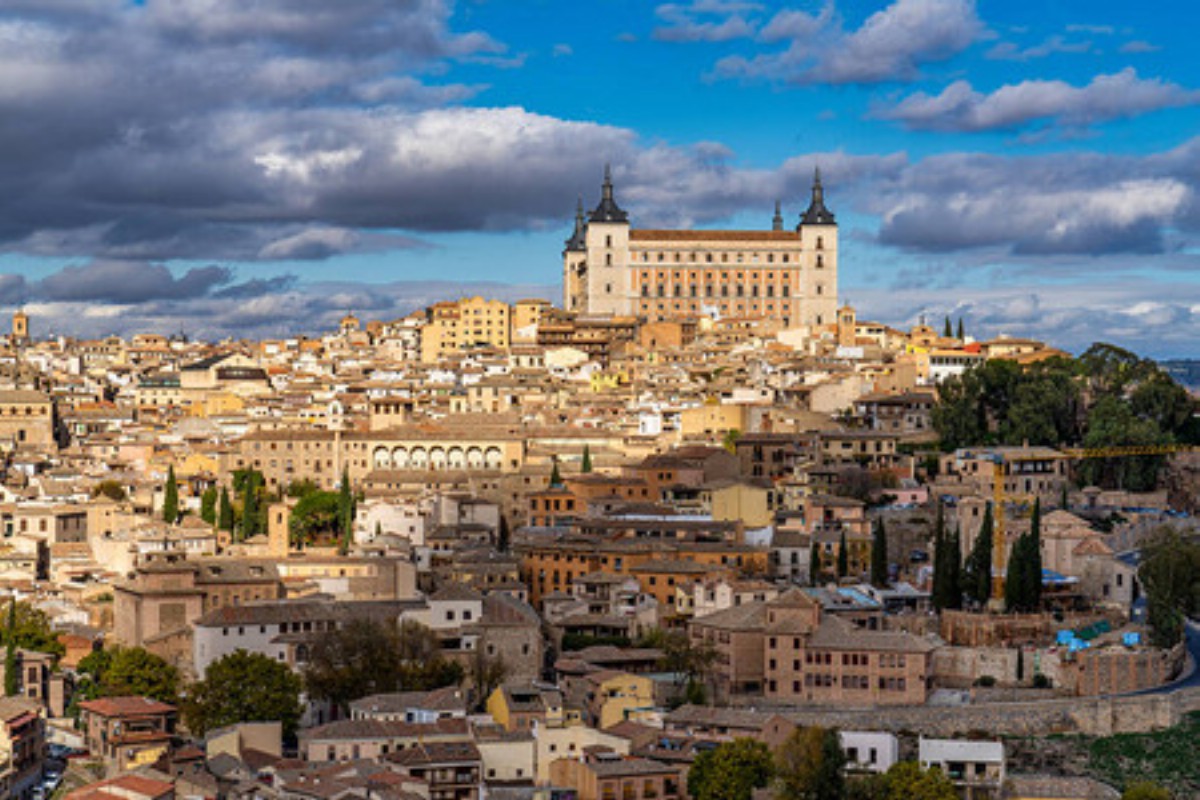 , and has become a signature material in many classical constructions.
Features and Advantages
This stone is not only aesthetically pleasing but also has good insulation and weather resistance, making it ideal for the hot climate of southern Spain. Under sunlight, white stone can reflect a large amount of heat, keeping interiors cool. Additionally, its moisture resistance is excellent, suitable for various building environments.
| Feature | Advantage |
|---|
| Aesthetic | Enhances overall texture |
| Weather‑resistant | Ideal for hot, humid climates |
| Durability | Long lifespan, low maintenance cost |
Modern Application Examples
Today, white stone continues to be used in traditional buildings as well as playing a vital role in modern design. Many architects combine traditional stone with glass and metal to create a visual effect blending classical and contemporary styles. For example, some newly built commercial centers in Barcelona boldly feature white stone facades, contrasting sharply with surrounding structures and attracting numerous visitors for photographs.
Care and Maintenance
Although white stone is sturdy and durable, regular cleaning and proper protective treatment are essential to preserve its beauty for many years. Using a neutral cleaner and a soft brush for gentle washing helps avoid surface scratches. For Spanish White Modern Architecture exposed to sea winds or acid rain, a protective coating update every few years can effectively prolong the stone’s sheen and lifespan.
White stone is not only a material choice in Spanish architecture but also a carrier of cultural and aesthetic heritage. Strolling through narrow streets, gazing up at those pristine walls and columns in Spanish White Architecture Townit feels as if you can hear history whispering—telling a unique story of the Mediterranean.
