Overview of Spain’s Construction Industry
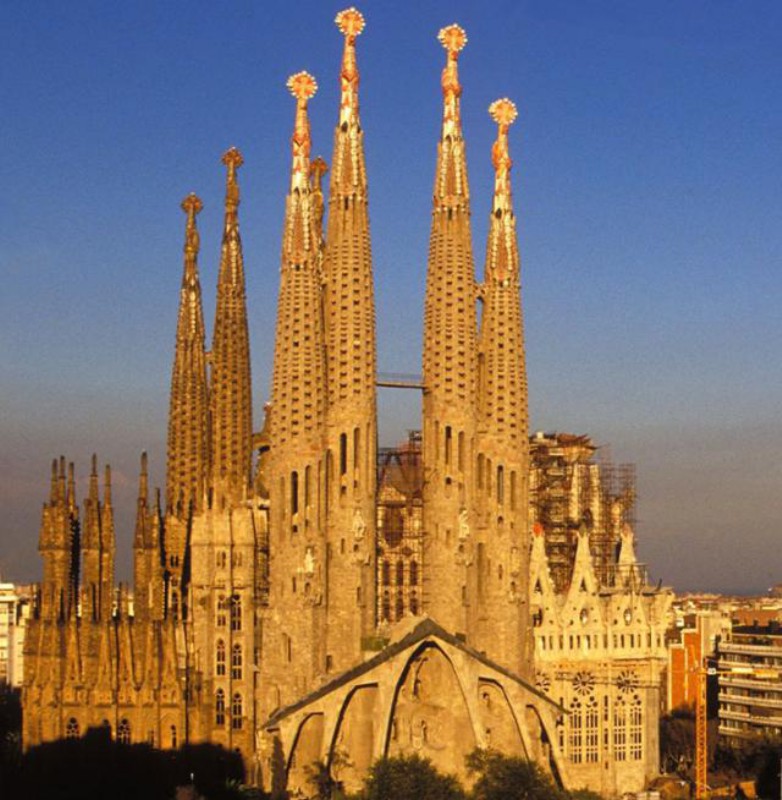
If you’ve lived in Spain for some time, visiting Spain’s construction industry will reveal that construction scenes around neighborhoods are visible almost year-round. From historic stone masonry buildings to modern eco-friendly housing, Spain’s construction industry has long been one of the key components of its economy. Especially in major cities like Madrid and Barcelona, cranes by the metro stations have become part of the daily urban landscape.
Market Status
After the slump following the 2008 financial crisis, Spain’s construction industry has steadily recovered in recent years, driven by economic rebound and urban renewal projects. Tourism-led hotel and vacation rental renovations, along with redevelopment of old urban districts, have kept many construction companies busy again. Overall, however, construction costs are on the rise, raising the bar for budget control.
Employment Opportunities
For job seekers in Spain, the construction industry still offers numerous opportunities, particularly in skilled trades and engineering management roles. Below are some of the major sub-sectors:
| Sector | Description |
|---|
| Residential Construction | New developments and building renovations |
| Commercial Real Estate | Office tower upgrades and shopping center refurbishments |
| Infrastructure | Road, bridge, and metro construction |
| Sustainable Building | Green energy-efficient, high-performance housing |
It is worth noting that construction sites in Spain typically require official licenses and safety training certifications, so newcomers should first familiarize themselves with Spain’s construction industry regulations.
Challenges and Trends
In addition to [Spain’s construction industry] cost increases, the biggest challenges include labor shortages and changing environmental regulations. For example, new energy-saving standards require more eco-friendly materials, which significantly impacts traditional building methods. Yet, this shift has fostered innovative techniques — from 3D-printed homes to modular buildings, traditional bricklaying is no longer the only option.
Conclusion
The charm of Spain’s construction sector lies in its preservation of a rich historical and cultural essence while constantly embracing modern technology and design concepts. Whether you aim to invest in real estate, seek job opportunities, or simply have an interest in architectural aesthetics, the industry is well worth your time to explore and understand.
