Current Status of the Spanish Construction Industry
In recent years, Spain’s construction industry has shown characteristics of diversification and sustainable development during its gradual recovery from an economic downturn. Whether in residential projects, commercial complexes, or public infrastructure, new design concepts and construction standards are emerging.
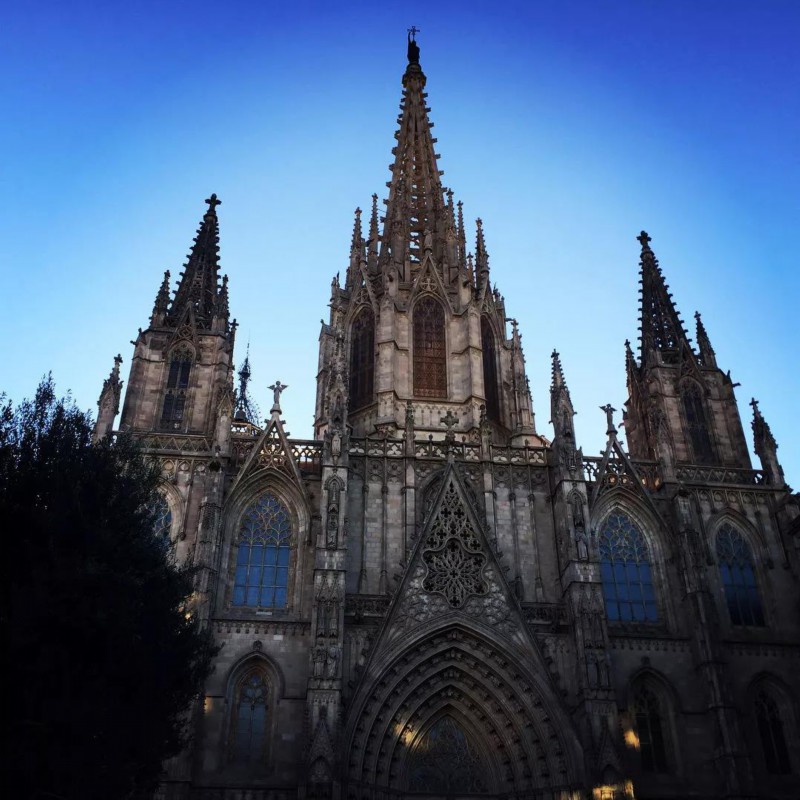
Residential and Real Estate Market
Spain’s housing market has experienced a new wave of growth after the pandemic. Particularly in cities such as Madrid, Barcelona, and Valencia, developers focus not only on architectural aesthetics but also on energy efficiency and the use of eco-friendly materials. Green buildings have gradually evolved from a few cases of [Spanish Construction Industry] to becoming mainstream.
| City | Average Price per m² |
|---|
| Madrid | 3200 |
| Barcelona | 3400 |
| Valencia | 2200 |
Commercial and Public Construction Projects
In the commercial real estate sector, large shopping centers and office building projects continue to move forward steadily. Meanwhile, publicly funded projects such as transportation hubs and hospital construction contribute significantly to job creation and technological advancement. New construction technologies, including modular buildings and smart management systems, are being adopted in more and more projects.
Sustainable and Environmental Directions
Spain is actively responding to EU sustainable development policies. Building material choices lean toward recyclable and low-carbon products, while architectural designs widely incorporate solar panels, rainwater harvesting systems, and natural light optimization. These strategies not only reduce energy consumption but also enhance a building’s market competitiveness.
Challenges and Future Trends
Although the overall market is positive, challenges remain, such as fluctuating raw material prices and shortages of skilled labor. Future trends in the [Spanish Construction Industry] may include broader digital construction management, cross-border architectural collaborations, and [Spanish Construction Industry] initiatives to improve rural infrastructure.
Conclusion
The Spanish construction industry is shifting from traditional models toward smarter and more environmentally friendly approaches. For ordinary residents, this means more comfortable and healthier living environments; for professionals, it offers more opportunities to learn new technologies and participate in international projects. What do you think the architecture of Spain will look like in the next 10 years? Feel free to share your thoughts!
