Overview of Spanish Gothic Churches
Spanish Gothic churches are not only symbols of religious faith but also masterpieces of history and art. Mostly constructed during the Middle Ages, their soaring spires and exquisite rose windows showcase the craftsmanship of builders and bear witness to the prosperity and spiritual strength of the cities of the time. Walking through these ancient structures, you will feel a unique atmosphere of interwoven time and space.
Typical Structural Features
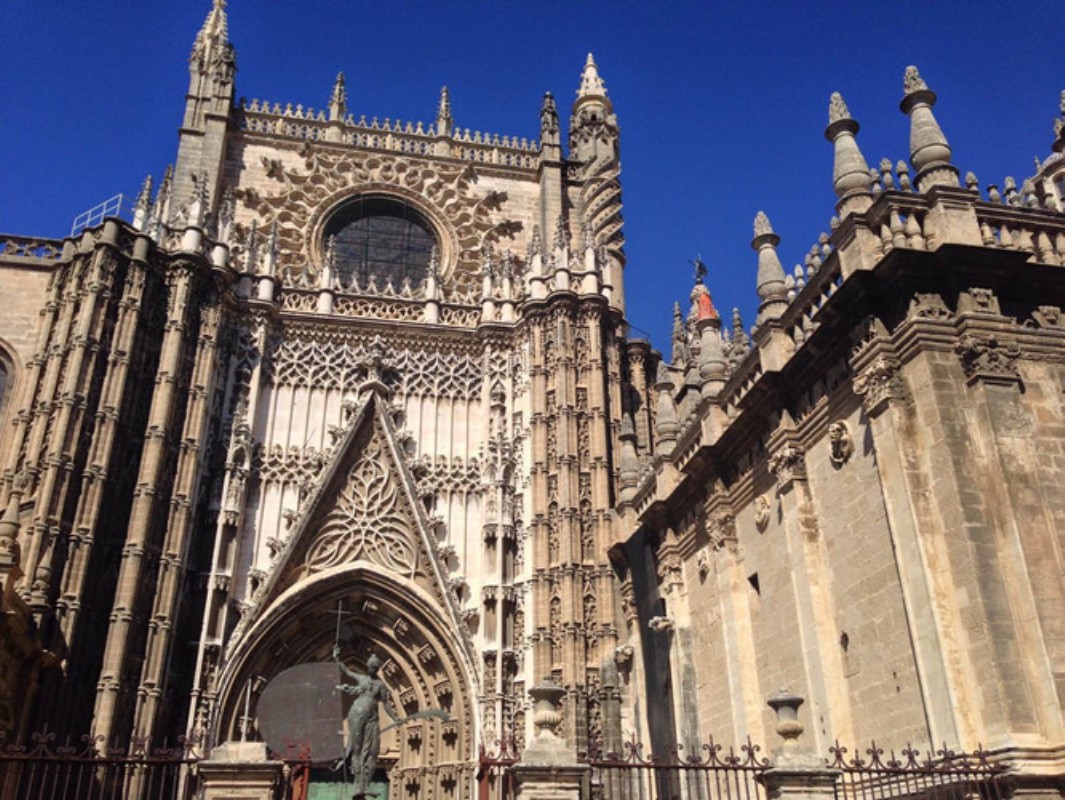
The most striking external features of Gothic churches are their sky-high bell towers and spires, combined with complex flying buttresses that support soaring walls and wide domes. Inside, longitudinally extended aisles, layered arch structures, and light filtering through stained glass create an unparalleled visual experience. While Gothic churches in different cities each have distinctive traits, they all retain an overwhelming sense of grandeur.
| City | Representative Cathedral |
|---|
| Toledo | Toledo Cathedral |
| Burgos | Burgos Cathedral |
| León | León Cathedral |
Historical Background and Cultural Significance
Gothic architecture began flourishing in Spain in the 13th century, when royal power and church influence closely intertwined, aiming to reflect national and religious majesty through magnificent cathedrals. These churches were not only places of worship but also important venues for political and cultural exchange within the city, where many major events took place. Over time, they have accumulated immense artistic value and cultural symbolism.
When visiting Gothic churches, it is advisable to check opening hours in advance and purchase tickets. Some churches offer multilingual audio guides to help you explore in-depth the architectural details of Spanish Plaza Gothic Architecture. The climates in spring and autumn are relatively mild, making walking tours particularly pleasant. Additionally, many churches are located near traditional restaurants, allowing you to enjoy authentic Spanish cuisine after your visit, enriching your travel experience.
Conclusion and Discussion
If Spanish Muslim Gothic Architecture you already live in or are traveling through Spain, consider adding Gothic churches to your must-visit list. This is not only a visual feast, but also an intimate encounter with history and culture. Feel free to share in the comments the churches you have visited and your impressions, so more people can discover the stories behind these remarkable buildings.
