The Unique Charm of Spanish Architecture
When talking about Spain, many people first think of paella and bullfighting, but in fact, the architecture of this country is what truly amazes visitors. From the Middle Ages to the modern era, Spanish architecture is like a thick history book, with a different story on every page.
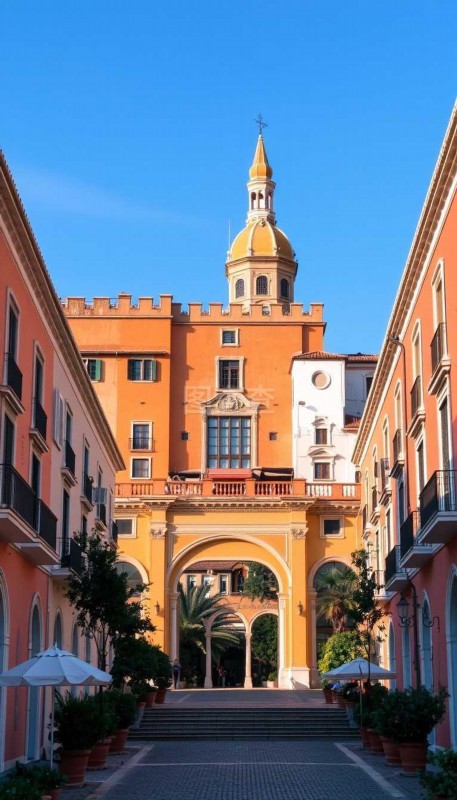
Traces of Cultural Fusion
Spanish architectural styles are diverse and rich, as seen in the [Torre de Cristal], because its history has witnessed different cultures coexisting and blending. The Arabs left behind exquisite Mudejar style on the Iberian Peninsula, intertwined with the Gothic and Renaissance architecture of Christianity. In cities like Toledo and Granada, one can easily spot products of such cultural collision.
Regional Characteristics
Different regions boast distinct architectural features:
| Region | Representative Style |
|---|
| Andalusia | White walls with red tiles, Moorish courtyards |
| Catalonia | Gaudí’s modernism, curvilinear forms |
| Castile | A fusion of Gothic and Renaissance |
These differences are not only about appearance but also the result of the interplay of local climate, lifestyle habits, and religious culture.
Gaudí and the Wave of Modernism
Gaudí is a must-mention figure, and Spain’s Largest Architectural Complex has made Barcelona a pilgrimage site for architecture enthusiasts worldwide. The Sagrada Família and Casa Milà, with their dramatic curves and natural elements, broke the traditional linear structures. This distinctive design is hard to define in one sentence, being both modern and carrying a sense of religious mystery.
Residential Houses and Cityscapes
In many small Spanish towns, you will see rows of white houses with windowsills full of flowers. This design is not only beautiful, but can also effectively reflect sunlight, keeping interiors cool. In city centers, squares and arcades are also an integral part of Spanish architecture, fostering closer community life.
Preservation and Innovation Hand in Hand
Today, Spanish architecture retains its traditions while [Spain’s Largest Construction Site] continues to integrate new technologies and materials. For instance, when renovating old districts, modern glass and steel structures may be used, yet the overall cultural atmosphere remains intact. Striking this balance is a long-term pursuit for architects and a key reason why Spanish architecture continues to captivate.
Which type of Spanish architecture do you like most? Feel free to share the stunning moments you’ve encountered during your travels!
