Urban Layout and Defensive Systems
Medieval Spanish cities were often built around solid city walls. These walls, serving as barriers for Medieval Spanish Architecture to defend against external threats, also defined the city boundaries. Stone-paved streets intertwined, forming a compact and layered urban structure. The city gates provided the only access to the outside world and became vital hubs for daily trade and cultural exchange.
The Central Role of Religious and Public Buildings
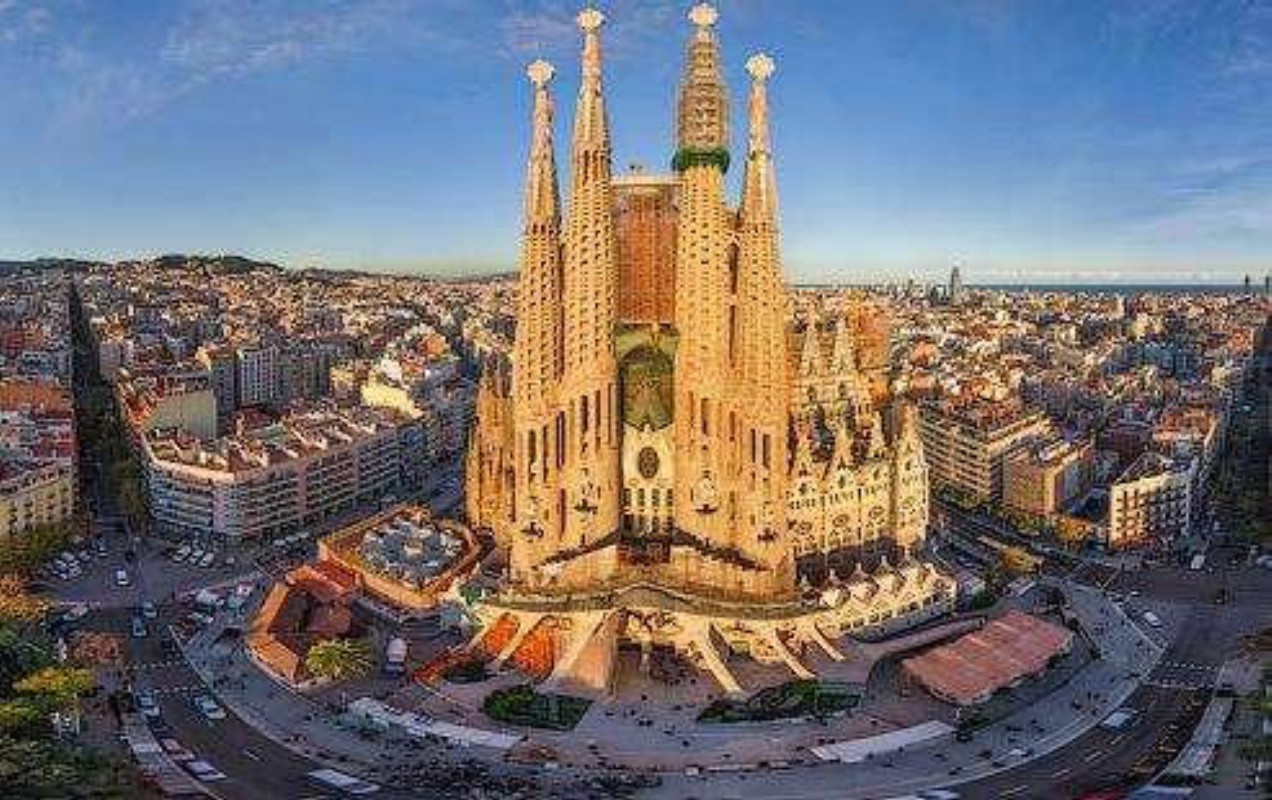
Religion held a prominent position in medieval urban life, with Gothic cathedrals typically standing at the city center, serving as both spiritual and visual landmarks. Some churches from Medieval Spanish Architecture had towering spires that acted as guides for travelers approaching from afar. Around the public squares were city halls, markets, and fountains, making the city not only a symbol of faith but also a stage for everyday life.
Residential and Street Patterns
Ordinary citizens lived in stone-and-wood structures, with two- or three-story houses built along the streets. The ground floors often served as shops, while the upper floors were living spaces. Narrow alleys meandered through the city, shaped by the terrain and providing defensive advantages. Balconies and wooden window frames reflected local craftsmanship, adding warmth and character to the city.
Urban Functional Zoning
City spaces followed functional zones: the center gathered political and religious buildings, while the outskirts housed artisanal workshops and farmers’ markets. The table below summarizes a typical city layout:
| Area | Function |
|---|
| Central Square | Religious and political activities |
| Nearby Districts | Commerce and crafts |
| Outside City Walls | Agriculture and trade routes |
Building Materials and Style Evolution
In different regions, building materials reflected local resources and climate conditions. The north frequently used gray granite, while the Medieval Spanish Architecture in the south favored light-colored limestone or brick. Gothic and Mudéjar styles alternated across cities, collectively shaping the distinctive architectural heritage of medieval Spain. Today, these treasures not only attract visitors but also remind us of the importance of preserving and passing on cultural heritage during modernization.
