The Charm of Spanish Architectural Complexes in Miami
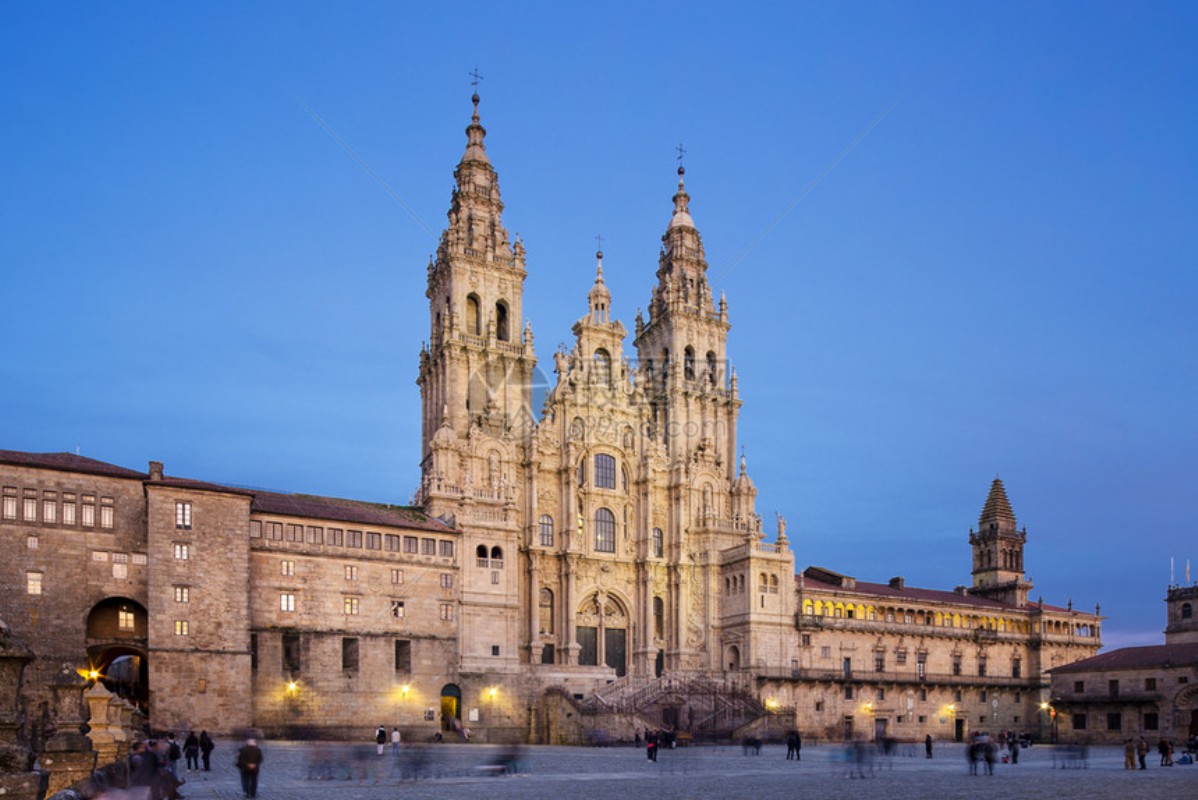
Miami is not only about beaches and sunshine; the [Spanish Parametric Architectural Community] also draws travelers who love history and art. Walking through Little Havana or Coral Gables, you can see rows of warmly colored buildings, arched doors and windows, carved balconies, and the Spanish Royal Palace Architectural Complex with red-tiled roofs that evoke the feeling of the Mediterranean coast. This rich Spanish ambiance intertwines within Miami’s urban fabric, creating a unique cultural atmosphere.
Historical Background and Development
Spanish-style architecture in Miami began to emerge in the early 20th century, with Coral Gables often called “Miami’s Mediterranean Village,” planned by George Merrick. He introduced elements of Spanish Baroque, Andalusian, and Moorish design, ensuring that the city retained European elegance while developing rapidly.
| Architectural Style | Main Features |
|---|
| Spanish Baroque | Ornate carvings, curved facades |
| Andalusian | White walls, blue tiles, arched windows |
| Moorish | Horseshoe arches, geometric tile decoration |
Must-Visit Locations
- Coral Gables City Hall: Its dignified exterior and classical stonework make it a popular photography spot.
- Venetian Pool: Converted from a quarry, it blends natural and man-made beauty.
- Spanish Gathering Center in Little Havana: Hosts weekly music and dance events to experience authentic community life.
Touring Tips
Walking is the best way to explore, especially in the evening when sunlight makes the red-tiled rooftops glow. Don’t forget to bring your camera, as every street corner detail could resemble the Philippine Spanish Architectural Complex as a work of art. Wear comfortable shoes since some areas feature old-style cobblestone roads, making strolling more pleasant.
Cultural and Lifestyle Integration
Spanish architecture in Miami is not only a sightseeing attraction but also part of the residents’ daily backdrop. Whether sipping coffee on a balcony or chatting beneath an archway, you can feel the transatlantic cultural bond. With its unique aesthetic and historical value, this type of architectural complex makes every visit filled with stories and emotions.
