Characteristics of Spanish Architectural Ensembles
Spanish architectural ensembles are widely distributed, with highly distinctive styles across different regions. From stone-built towns in the north to whitewashed villages in the south, each combination tells stories of local history and culture. Especially in old town areas, the buildings and street layouts often display a dense and lively arrangement, this compact layout is not only a historical heritage but also part of modern life.
Regional Style Differences
Northern regions such as the Basque Country and Galicia tend to use stone and grey tones, with the heavy walls of the [Spanish Parametric Architectural Communities] shielding against the damp, cold sea winds. In contrast, Andalusia in the south is known for its white lime walls and red-tiled roofs, perfectly suitable for the hot Mediterranean climate. This striking contrast is common across Spain and offers travelers a rich visual experience with the Spanish Royal Palace Architectural Complex. 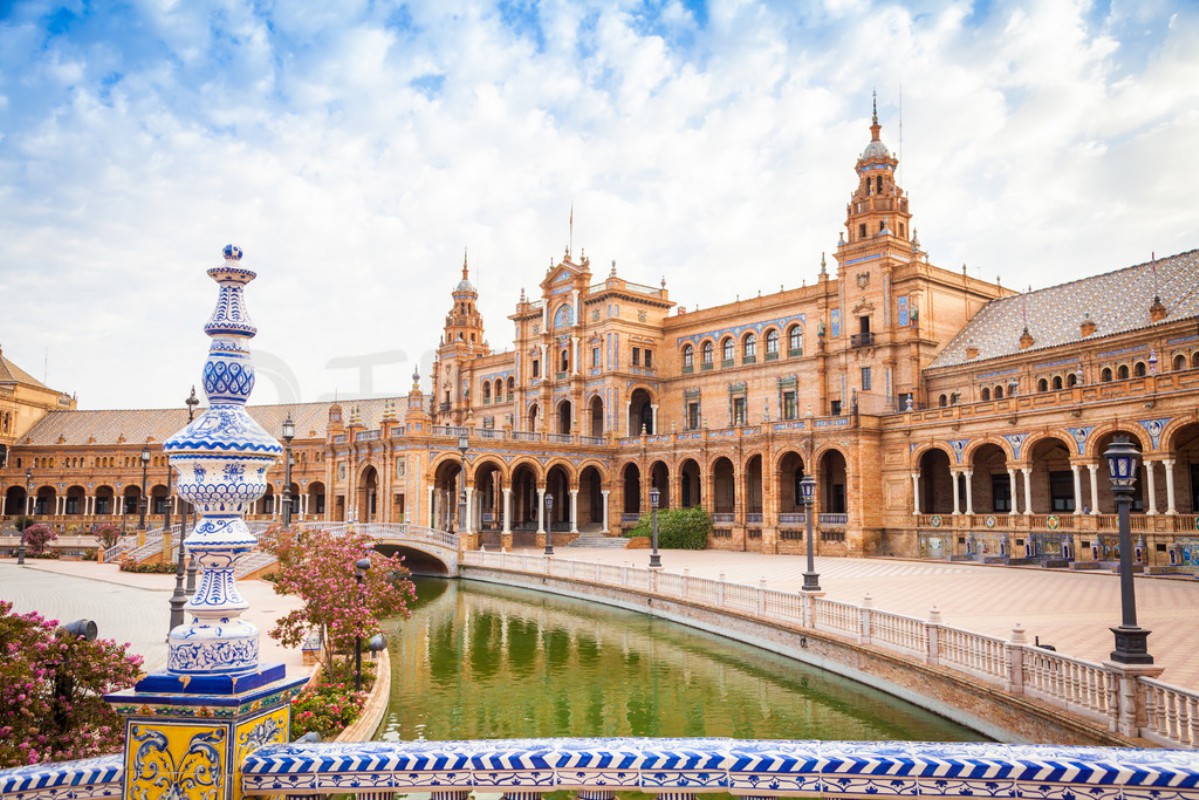
Integration of History and Modernity
Many cities, such as Barcelona, have preserved medieval neighborhoods while integrating modern architectural language. Gaudi’s works are exemplary of this fusion. His [ size=60 ]curves and colors allow the city to find balance between tradition and innovation. This development model also influences the creative ideas of a new generation of architects.
Building Materials and Layouts
| Material | Common Regions |
|---|
| Stone | Northern mountains |
| Red tiles | Central plateau |
| White walls | Southern coastal areas |
The choice of materials is often directly related to local climate and resource distribution. In some coastal cities, using lightweight materials can reduce the effects of humidity, while in plateaus and mountains more solid structures are required to withstand the natural environment.
Communities and Public Spaces
Spanish architectural ensembles place great emphasis on creating public spaces. Whether wide plazas or small corner cafés, they become important places for residents to interact and relax. This spatial design concept runs through both old towns and new districts, making the rhythm of community life more continuous and inclusive.
Urban Planning and Preservation
Amid rapid urbanization, many local governments adopt measures to protect historic building groups, ensuring they are not eroded by new development projects. Proper urban planning not only sustains cultural memory but also leaves breathing space for the future development of cities. This consciousness of protecting architectural ensembles, as seen in the [Spanish Architectural Groups in Philippine History], is an important reflection of Spain’s cultural confidence.
