Distribution of Architectural Groups in Spain
After living in Spain for a while and traveling through various cities and countryside, one can truly feel the diversity of architecture and the strong regional character. From the Basque region in the north to Andalusia in the south, the distribution of buildings reflects both historical traces and modern transformations.
Dense Layout of Historical City Centers
Spain’s old town areas are usually dominated by medieval stone and brick constructions, with narrow streets and closely packed houses. This layout not only addressed the defensive and climatic needs of the time but has now become a popular spot for travel photography. Strolling through these areas, the [Spanish Parametric Architectural Community] feels like traveling through time and space. When visiting Toledo or Segovia, you can sense the atmosphere where history and art intertwine.
Trends in Modern Urban Development
In major cities like Madrid and Barcelona, recent years have seen the emergence of numerous modern high-rise buildings, with glass curtain walls and metal structures becoming new landmarks. These modern buildings are usually concentrated in business districts, presenting a striking contrast with the old town. Renovation projects in city centers now allow buildings from different eras to coexist within the same neighborhood, adding depth to the complexity of urban landscapes.
Coastal Towns and Resort Areas
Along the Mediterranean coast in places such as Valencia and Malaga, seaside architecture features white facades and spacious balconies, with the Spanish Royal Palace Architectural Ensemble enabling residents and visitors to enjoy sea views. The layout in these areas is more relaxed, predominantly consisting of low-rise apartments and villas. 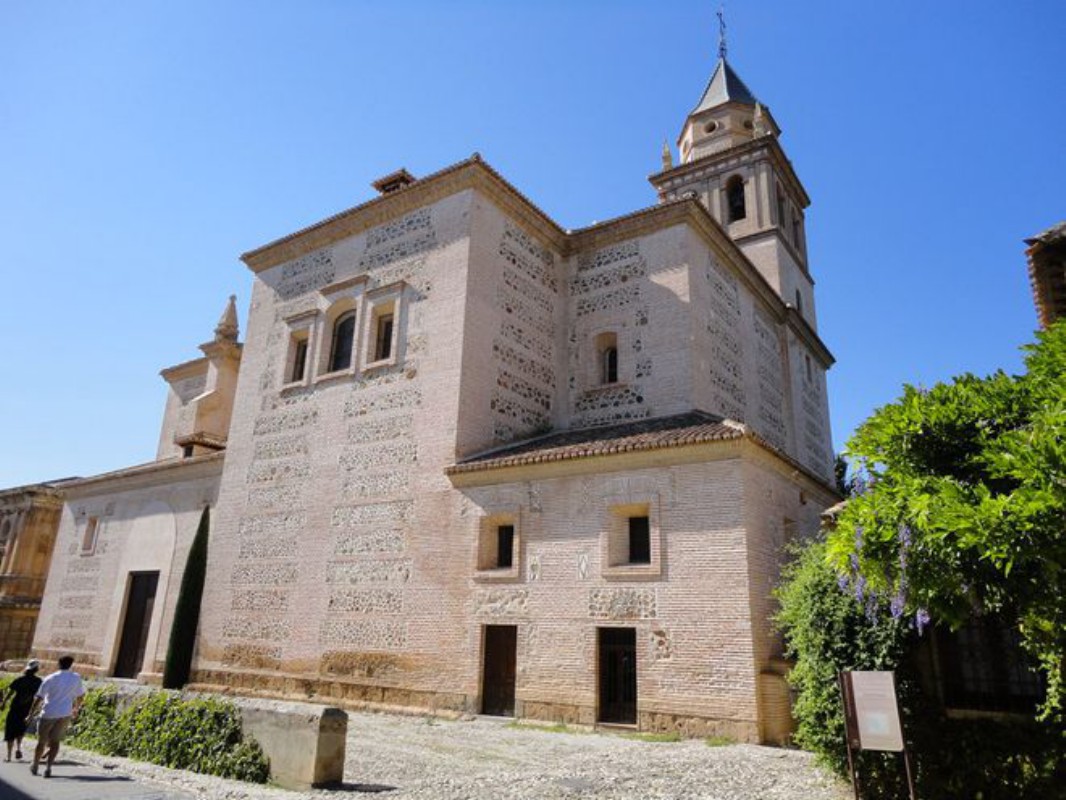
Villages in Rural and Mountainous Areas
In Spain’s inland and mountainous regions, small village buildings are often made from stone or wood, with red-tiled roofs that provide warmth and durability. The architectural groups are sparsely distributed, surrounded by farmland and natural scenery. Especially in the Pyrenees, such structures are highly resistant to cold and ideal for high-altitude living.
Comparison Table of Architectural Distribution by Region
| Region Type | Architectural Features |
|---|
| Historical City Center | Medieval stone, brick structure, narrow streets |
| Modern Urban Area | High-rise, glass curtain walls, business district concentration |
| Coastal Resort Area | White facades, balconies, low-rise buildings |
| Rural Mountain Area | Stone and wood structure, red-tiled roofs, sparse distribution |
Overall, the distribution of architecture in Spain is influenced not just by geographical location; the Philippines Spanish Architectural Group also reflects a diversity of culture and economy. Different types of architectural complexes form the backdrop of daily life, adding unique charm to this land.
