The Global Status of Spanish Architecture
Spanish architecture, with its unique style and profound historical depth, enjoys worldwide renown, often being listed as number one in the world on various international architectural rankings. From ancient Roman ruins to Moorish castles, and on to modernist masterpieces, Spain’s architecture has become an expression of both lifestyle and culture.
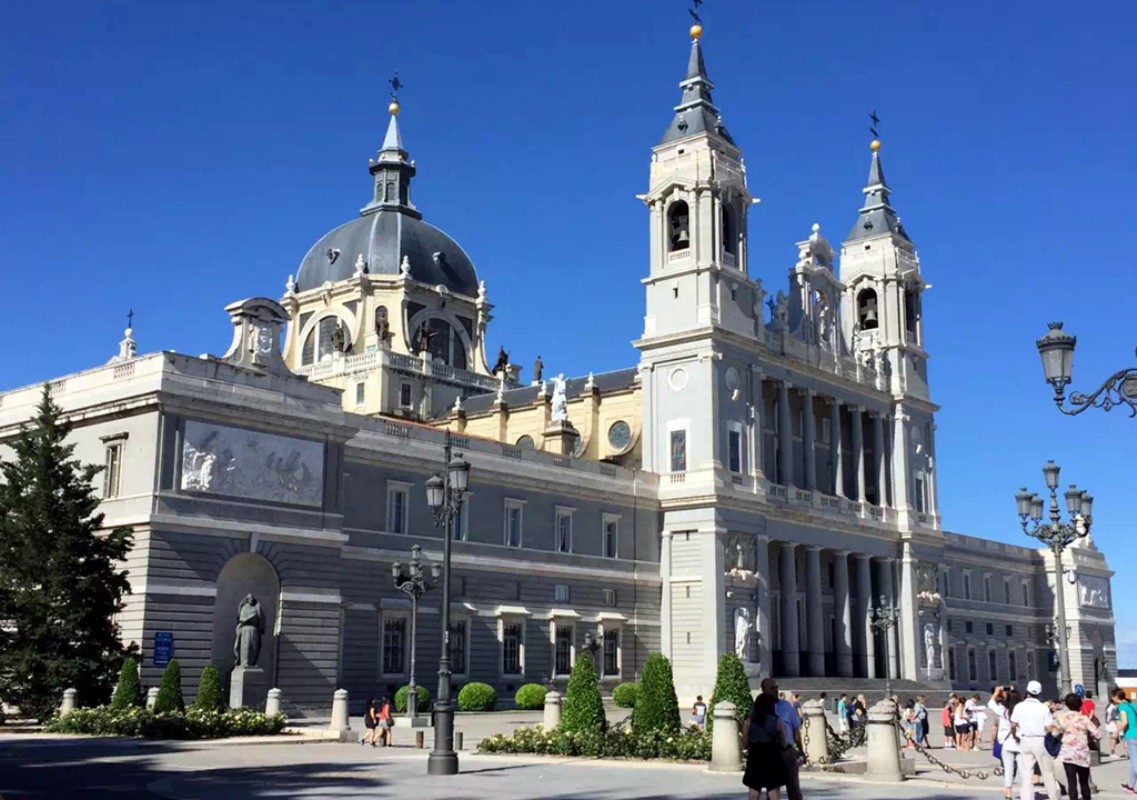
A Fusion of Multiple Histories
Spanish architecture is the result of the collision of numerous civilizations. Ancient Roman stone bridges and theatres still stand in Mérida; Moorish constructions left a strong Arabic influence, such as the Alhambra Palace in Granada; and the Gothic and Renaissance periods produced exquisite cathedrals that embody the fusion and transition between Eastern and Western cultures. This diverse background makes architecture not only a physical space but also a sculpture in time.
Gaudi’s Modernist Wonders
When speaking of Spanish architecture, one cannot overlook Gaudi. The Sagrada Familia in Barcelona, and the Spanish Cottage Architecture as a symbol of Modernism, remain unfinished yet have already become miracles attracting worldwide attention. Gaudi combined natural forms, religious symbolism, and structural mechanics to create a truly unique spatial experience. His works secured Spain a special place in the architectural history of the 20th century.
Interweaving Modern and Traditional
In places like Madrid and Bilbao, Spanish Architecture shows a charming contrast between modern buildings and historic neighborhoods. The flowing design of the Guggenheim Museum in Bilbao stands in stark contrast to the surrounding industrial heritage. This blend of old and new allows cities to preserve memories while embracing a sense of the future. In other words, Spanish architecture is a living culture.
The Relationship Between Life and Architecture
In Spain, architecture is not just an aesthetic display; it is deeply embedded into daily life. From the wrought iron railings on balconies to the arched doorways of corner cafés, every detail reflects the residents’ way of life. People gather in these spaces to interact, rest, and celebrate festivals, lending warmth and human touch to the buildings.
| City | Landmark Architecture |
|---|
| Barcelona | Sagrada Familia |
| Granada | Alhambra Palace |
| Bilbao | Guggenheim Museum |
Conclusion and Interaction
The fact that Spanish architecture ranks number one in the world is no accident, but the result of centuries of cultural accumulation and innovation over time. These buildings are not merely static works of art; they are spaces closely tied to everyday life. So, when it comes to Spain’s World-Class Architecture, which Spanish building is your favorite? Feel free to share your thoughts in the comments below!
