History and Charm of Classic Spanish Architecture
Spanish architectural styles embody traces of diverse cultures, from the ruins of ancient Rome and Arab-style gardens to the fusion of Gothic and Modernism—each building tells its own unique story. Walking through the old quarters of different cities, you can often feel the intertwining of time and art.
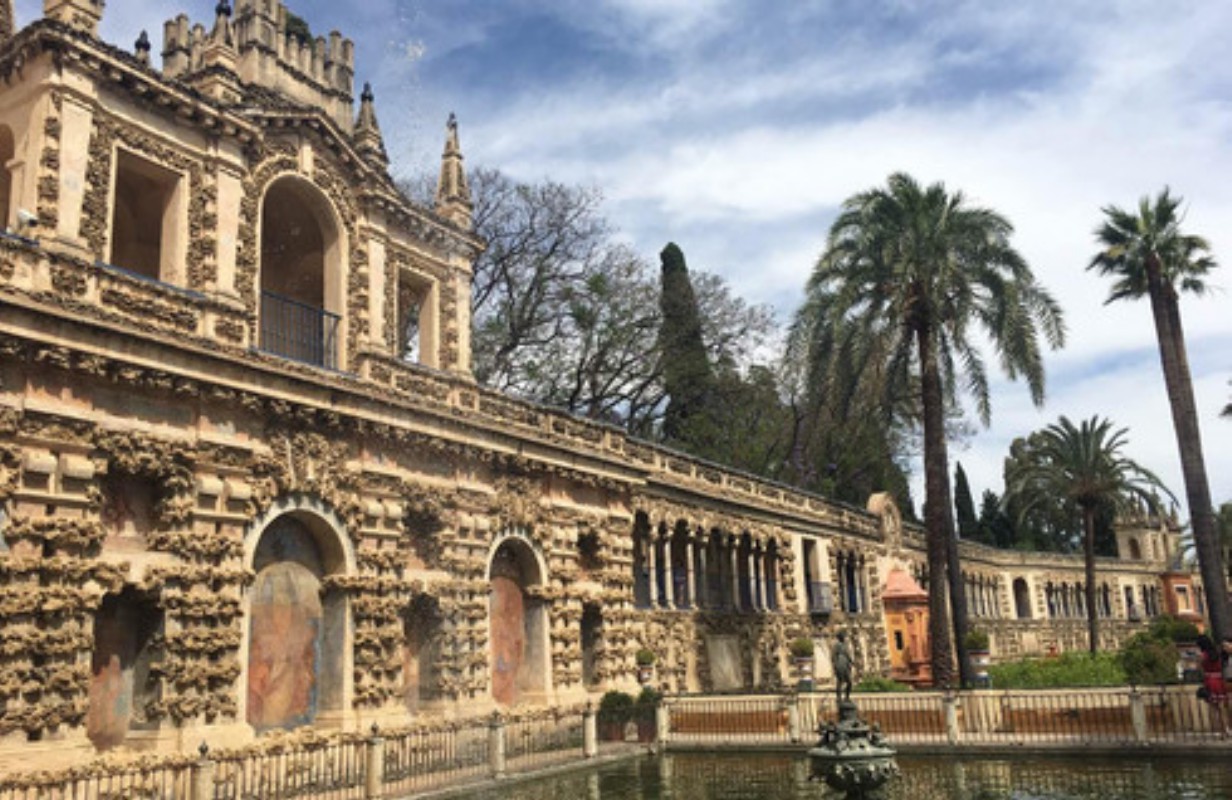
Moorish Flair of Andalusia
In the southern Andalusia region, Moorish architecture has had a profound influence, as seen in the Alcazaba of Granada and the Mosque of Córdoba, both preserving Islamic-style arcades and geometric tiles. The beauty created by intricate patterns and symmetrical compositions makes you feel as if you’ve traveled back to Andalus centuries ago. Especially under the sunlight, this type of architecture is uniquely captivating.
Modernist Treasures of Catalonia
Mentioning Catalonia inevitably brings up Gaudí’s masterpieces such as the Sagrada Família and Casa Batlló. He transformed natural forms into architectural elements, using curves and colors in ways that are both bold and gentle. On the streets of Barcelona, you can often witness this blend of creativity and tradition, leaving an indelible mark on world architectural history.
The Stonework Beauty of the Basque Region
Compared to the warmth of the South, Basque architecture feels heavier and more rustic. Thick stone walls and steep roofs are key features of local homes. Additionally, port buildings in coastal towns reflect a lifestyle inherently tied to the sea.
| Architectural Style | Representative City |
|---|
| Moorish | Granada |
| Gothic | Toledo |
| Modernism | Barcelona |
| Harbor style | San Sebastián |
City Strolls and Travel Tips
If your Spanish classic cuisine and architecture plan is to deeply experience Spanish architecture, it’s best to divide your route into several regions, staying at least two days in each to capture local architectural details and the rhythm of life. Simply taking photos at popular spots will not truly reveal the cultural essence of Spanish classic old architecture; instead, wander into side streets and cafés, engage with locals—their stories are often as moving as the buildings themselves.
Conclusion
Classic Spanish architecture is not only a visual pleasure but also a vessel for history, culture, and regional spirit. Whether you are an architecture enthusiast or an everyday traveler, while walking the streets of Spain, lift your gaze to see Spanish classic architecture, and you may discover a beautiful moment that lingers in your memory for years.
