Origins of Spanish Architecture and Mediterranean Style
Spanish architectural culture blends multiple historical layers, from the grand structures of the Roman era to the intricate carvings of Islamic design, and the elegant lines of Gothic and Renaissance styles, forming a unique aesthetic system. In contrast, Mediterranean architecture displays a closer integration of nature and everyday life, highlighting sunlight, vibrant colors, and [Spanish Mediterranean architecture] with open spaces. These two styles differ yet share common ground, which is reflected in many coastal urban neighborhoods.
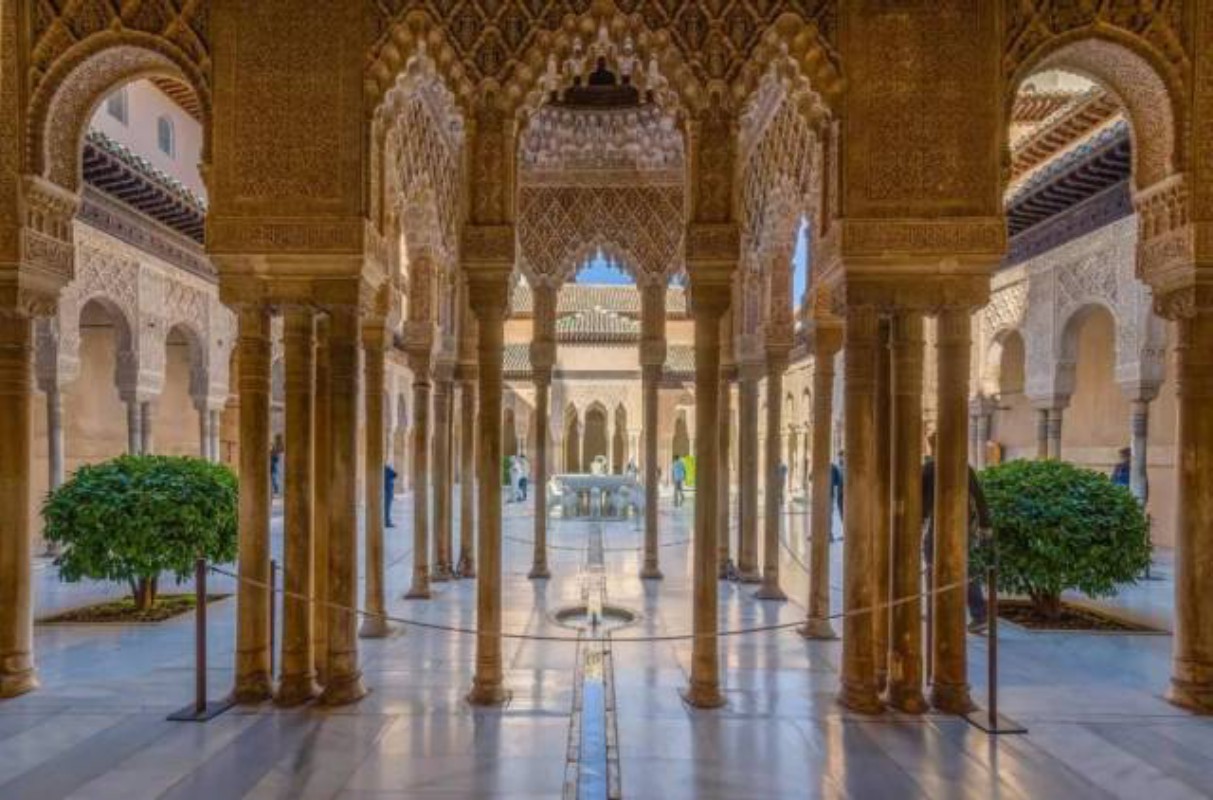
Differences in Materials and Colors
In Spain, stone and brick are used extensively as building materials in Spanish Mediterranean architecture, whether for churches or residences, with heavy walls that reflect a pursuit of structural durability. Mediterranean architecture, however, favors whitewashed walls, terracotta tiles, and wooden details, stressing harmony with the environment. White walls under sunlight with a backdrop of the blue sea are among the most unforgettable scenes along the coast in [Spanish architecture Mediterranean style].
| Feature | Spanish Architecture | Mediterranean Architecture |
|---|
| Materials | Stone, brick | White walls, terracotta, wood |
| Colors | Dark tones, warm tones | Light, bright |
| Space | Relatively enclosed | Open, airy |
Spatial Layout and Lifestyle Philosophy
Traditional Spanish buildings often revolve around a central courtyard, forming an inward-facing space that protects privacy and shields from climatic changes. Mediterranean design emphasizes closeness to nature, with terraces, balconies, and arched porches as key elements of home life. This layout encourages outdoor activities and community interaction.
Fusion of Decorative Styles
In some coastal villages, one can find examples where Spanish carvings coexist with Mediterranean arch structures. For example, in villages in Andalusia, stone-carved window frames and white arches appear on the same house. This mix is not only an aesthetic choice but also a natural outcome shaped by history and environment.
Heritage from a Modern Perspective
Today’s architects tend to draw inspiration from both styles—retaining Spanish cultural symbols and craftsmanship while incorporating the openness and comfort typical of Mediterranean designs. Whether in residential or public buildings, this combination creates spaces that withstand climatic challenges and suit the rhythm of contemporary life, keeping architectural aesthetics a compelling part of Spanish living.
