Sharing Spanish House Design Experiences
In recent years, many people in Spain have chosen to build their own houses in suburban or small-town areas, not only to meet their personal living needs but also to blend into the local architectural style and natural environment. During the process of personally creating your dream home, the design stage is often the most crucial step.
Choosing the Right Style
Common residential styles in Spain include Mediterranean, Andalusian whitewashed walls, and Catalonian stone structures, each region having its distinctive elements. It is recommended to visit sites before beginning the design, combining your personal preferences with local culture to avoid blind imitation. Mediterranean houses emphasize open spaces and natural light, making them ideal for sunny coastal areas.
Climate and Materials
Spain’s southern regions have hot, dry summers, while the northern areas are more humid. Therefore, building materials and insulation solutions should be adapted to local conditions. For instance, in the south, thick brick walls and light-colored exteriors help reflect heat; in the north, better moisture protection and insulation are required. 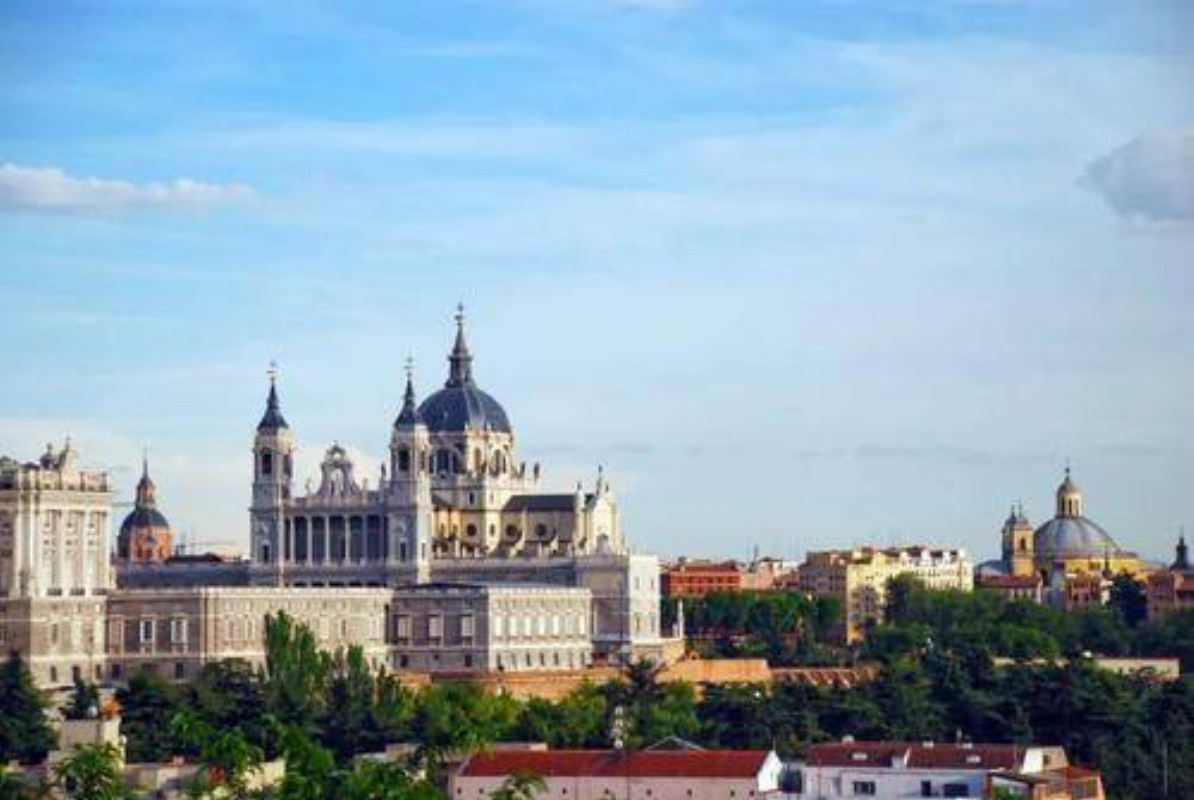 These details not only impact comfort but also directly determine maintenance costs.
Functional Space Planning
When designing a floor plan, start with a simple function table:
| Space | Recommended Area |
|---|
| Living Room | 25-35㎡ |
| Bedroom | 12-20㎡ |
| Kitchen | 10-15㎡ |
| Courtyard | 30㎡ or more |
Through resources like Spanish Housing Construction Quality, you can quickly compare whether each space ratio is reasonable.
Legality and Permits
In Spain, whether building new or remodeling, you must submit a planning permit application to the local municipal office. Communicate with your architect in advance to ensure the design meets regulatory requirements, especially regarding height limits, exterior colors, and energy efficiency standards. If Spanish Old Houses overlook these aspects, you may face fines and mandatory modifications later, consuming time and effort.
Convenience and Details for Living
Beyond the Spanish Houses and Architecture exterior and structure, detail design is equally important, such as optimizing kitchen-to-living room flow, window placement for better daylight, and courtyard privacy. In Spain, many households plant small grape arbors or olive trees in their courtyards, enhancing beauty and providing seasonal fruit harvests.
Sharing these experiences in forums not only helps others avoid common mistakes but also ensures that your home truly becomes a space to live in. We look forward to seeing everyone’s design plans and construction diaries, confident that every thoughtfully designed house will become a unique sight in its local landscape.
