Cultural Roots of Spanish Architecture
Spanish architectural styles blend influences from multiple historical and cultural sources, including Roman, Islamic, Gothic, and Renaissance elements. This rich fusion makes each building feel like an open history book. In different cities, you can feel a strong sense of regional character, from the whitewashed towns in the south to the stone-built castles in the north, diverse in style yet united by a consistent cultural spirit.
Gaudí and the Modernist Wave
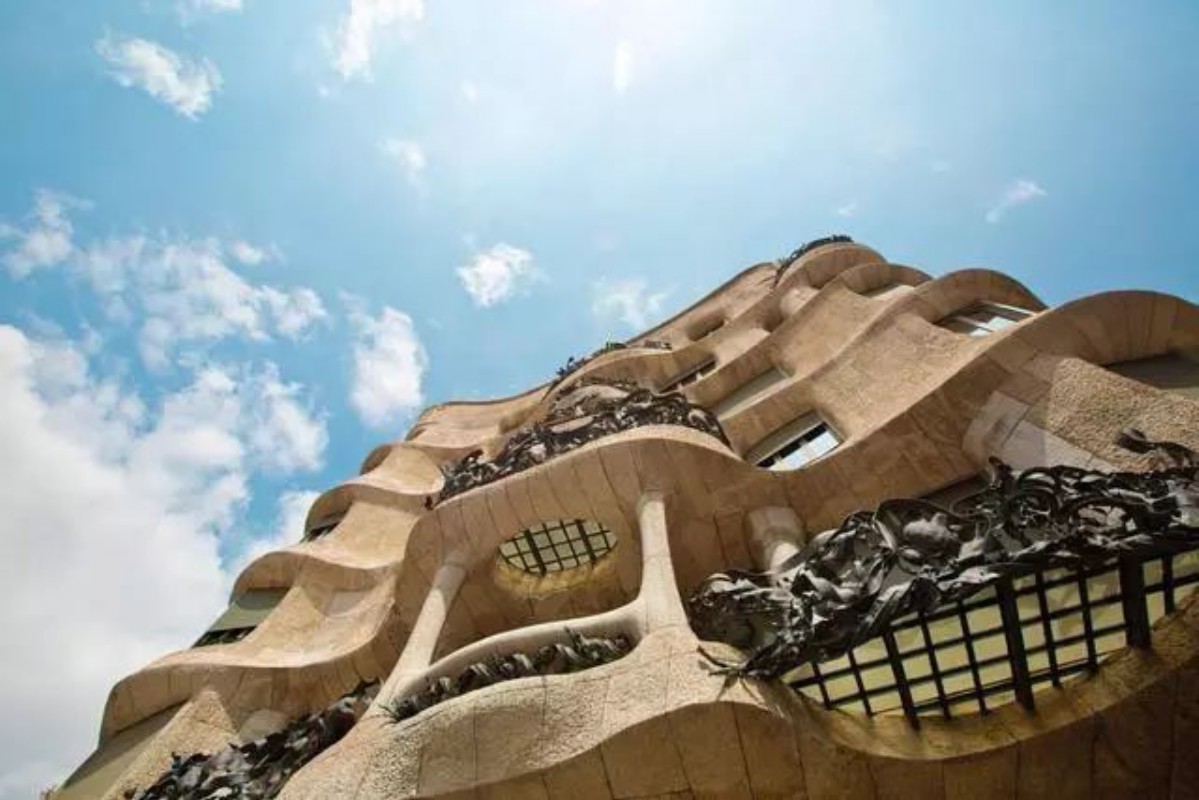
When speaking of Spanish architecture, Antoni Gaudí in Barcelona is indispensable. His works, such as the Sagrada Família and Casa Milà, embody a combination of natural curves and innovative structures. This style was revolutionary at the time, breaking free from traditional straight lines and infusing buildings with a vivid, organic sense of life. If you are planning a trip to Spain, consider adding these architectural gems from the Spanish-style street architecture eras to your itinerary.
The Islamic Imprint of Andalusia
In southern Spain’s Andalusia region, the legacy from the Muslim period remains vibrant, such as the Alhambra Palace in Granada. The Spanish architecture here features arches, decorative tiles, and courtyard layouts that clearly reflect Islamic aesthetics. Locals often say the Alhambra is more enchanting at night, as the interplay of light and shadow allows the buildings to display another kind of soul.
Traditional Villages and Homes
Beyond famous landmarks of Spanish architecture, rural architecture in Spain is also worth attention. Towns like Mijas or Ronda, with whitewashed houses and narrow cobblestone streets, exude the charm of a slower pace of life. Traditional homes in different regions vary in materials and layouts.
| Region | Architectural Features |
|---|
| Catalonia | Stonework and wrought-iron balconies |
| Andalusia | White walls and courtyard flowers |
| Basque | Wooden beams and steeply pitched roofs |
How to Experience and Appreciate
To truly understand Spanish architecture, it’s recommended to immerse yourself in local festivals and community life. For example, attending the Seville April Fair allows you to admire vividly colored temporary structures while tasting local delicacies. Record your impressions as you walk, and you may discover at a street corner a scene where history and modernity intertwine.
