Origins and Cultural Background of the Spanish-Style Pavilion
Spanish-style pavilion architecture is commonly seen at large expos, theme parks, and urban cultural exhibition halls. These structures not only have distinctive appearances but also incorporate diverse historical and cultural elements from across Spain—from the Moorish arches of Andalusia to the modernist curves of Catalonia, all within a single venue. This fusion makes such pavilions an important window into Spain’s multicultural heritage. It is not merely a space, but a cultural condensation.
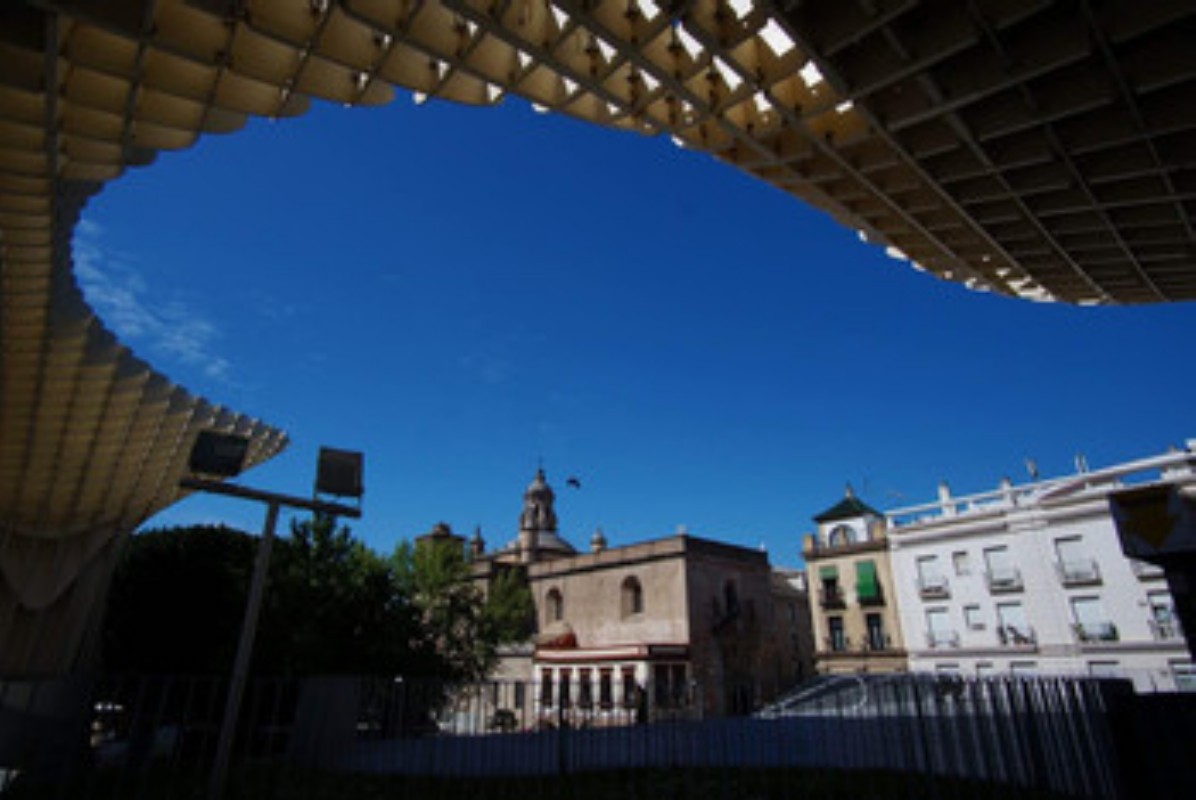
Main Architectural Styles
Within Spanish-style pavilions, the most common styles include Moorish, Mediterranean, and the Spanish-style street architecture eras in Modernism. Moorish architecture is known for arches, decorative tiles, and geometric symmetry; Mediterranean architecture emphasizes ventilation and light, with its white walls and red tiles leaving a strong impression; Modernism draws inspiration from curves and natural elements—for example, Gaudí’s works in Barcelona have influenced many pavilion designs.
| Architectural Style | Features |
|---|
| Moorish | Intricate patterns, horseshoe arches |
| Mediterranean | White facades, red roof tiles |
| Modernism | Curved forms, inspiration from nature |
Materials and Craftsmanship
Traditional pavilion architecture often uses local materials such as clay tiles, stone, and wood, reducing costs and harmonizing with the environment. Colorful ceramic tiles are especially important in Moorish architecture, not only for flooring but also for wall decoration, creating a rich visual effect. Carved wooden beams and handcrafted wrought-iron window grilles reflect the exquisite craftsmanship of Spanish artisans.
Cities and Pavilions
In cities like Madrid, Seville, and Barcelona, you can find unique pavilions. For example, Seville’s Plaza de España complex can itself be seen as a massive pavilion, combining Moorish and Renaissance styles; Barcelona’s expo halls tend more towards Modernism and Catalan style. These buildings are not only used for exhibitions but also serve as popular leisure and tourism spots for locals.
Visiting Tips
To fully immerse yourself in [Spanish architecture] and experience the charm of Spanish-style pavilions, it’s best to visit in autumn or spring when the weather is pleasant and the changing light showcases the beauty of the architecture. While exploring, take a slow pace to observe details, and use your camera to capture every arch, tile, and carving. Rushing through will only cause you to miss many subtle aspects of Spanish architecture. Additionally, consider reading up on the pavilion’s historical background first—this way, when you encounter a specific ornament on site, you can appreciate the story behind it.
Spanish-style pavilion architecture is a microcosm of Spain’s culture; whether you are an architecture enthusiast or a traveler, you will find enchanting moments and profound historical traces within.
