The Diverse Charm of Ancient Spanish Architecture
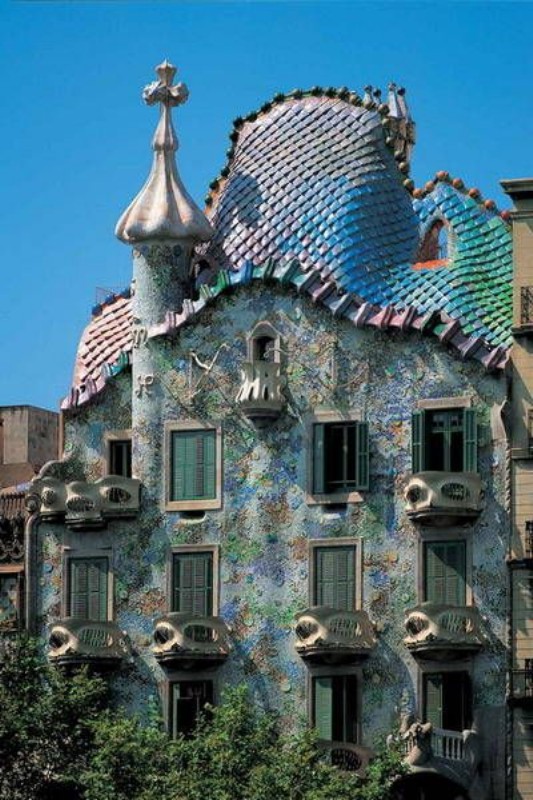
When talking about ancient Spanish architecture, the first impression is often its vibrant colors and intricate details. Buildings from different regions showcase distinctly varied styles, ranging from stone-built churches in the north to Moorish-style arches in the south, carrying a captivating texture shaped by the passage of time.
The Fusion of Moorish and Islamic Styles
In Andalusia, Moorish architecture such as the Alhambra Palace combines Islamic geometric aesthetics with natural landscapes, creating a unique visual delight. The repeated patterns of arches and tiles are not merely decorative but also embody the religious and cultural concepts of the time. Many travelers pause before the intricate carvings on the walls to savor their exquisite craftsmanship.
The Vertical Impact of Gothic Style
Moving to the central and northern regions, Gothic architecture becomes the city landmarks. Towering spires and vertically elongated windows draw visitors into spaces that inspire faith. This style finds a modern continuation in Barcelona’s Sagrada Família, a masterpiece that spans centuries.
The Solidity and Warmth of Romanesque Style
In the Pyrenees area, churches in small towns, as seen in Ancient Spanish Architecture, are mostly Romanesque. This style is characterized by thick stone walls and semicircular vaults, offering a sense of security and warmth. Carved stone lintels often depict biblical stories, passing on faith and history to both residents and travelers.
| Architectural Style | Representative Region |
|---|
| Moorish | Granada |
| Gothic | Barcelona |
| Romanesque | Navarre |
Continuing the Link Between Architecture and Daily Life
These ancient buildings are not merely relics of the past; they remain part of daily life in Spain. Whether in church squares hosting festival processions, or in the arches hidden deep in alleyways as described in Ancient Spanish Architecture, architecture continues to tell local stories. Walking among them, you can feel the gentle touch of time, as well as the ongoing continuation of culture.
Conclusion
If you explore Ancient Landmark Architecture in Spain, consider spending a few days slowly immersing yourself in the world of these ancient buildings. Between sunlight and shadow, you will witness the historical projections of the cities and hear the dialogue between architecture and people.
