Origins and Development of Spanish Palace Architecture
Spanish palace architecture is not only a symbol of royal authority but also an important part of European architectural art. These buildings often blend styles such as Gothic, Renaissance, and Baroque, showcasing exquisite craftsmanship and lavish aesthetics from exterior to interior details. Walking through the palace corridors, you can feel the weight of history and the warmth of art.
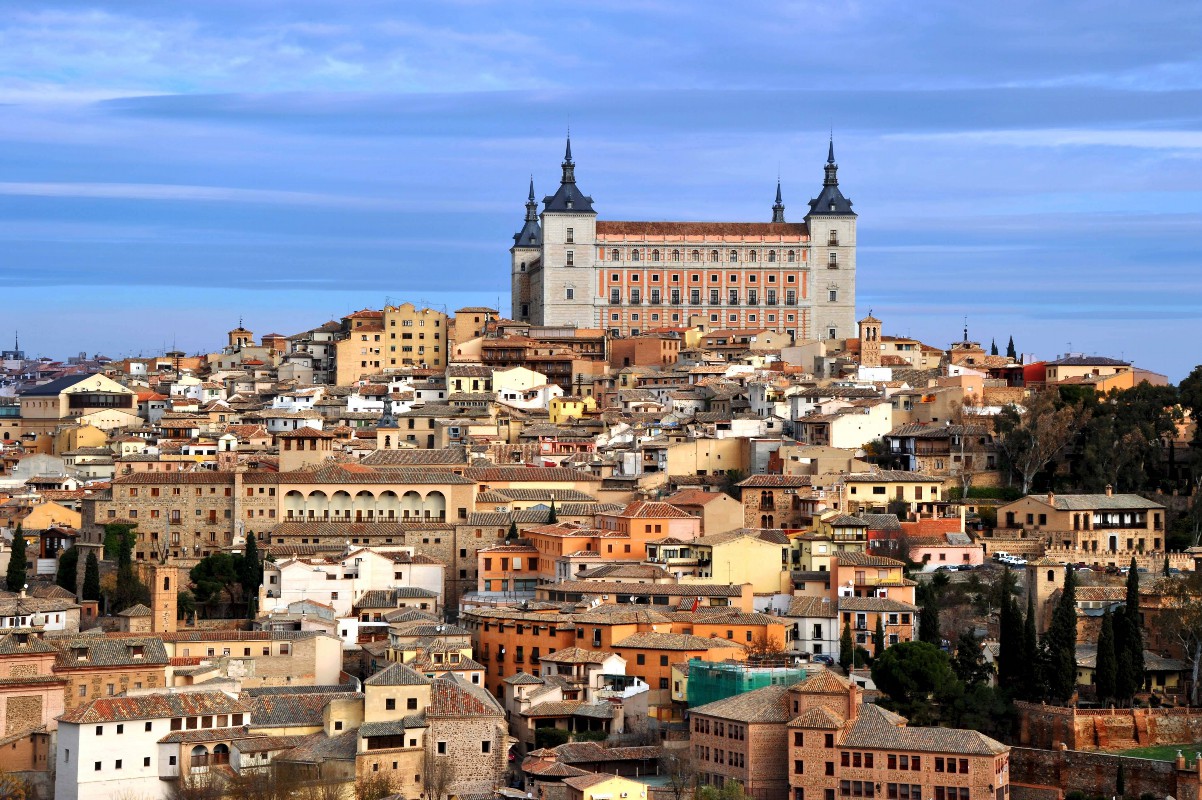
The Royal Palace of Madrid and Granada’s Alhambra
In Spain, the Royal Palace of Madrid is one of the most famous palace-style buildings, majestic and home to a vast collection of artistic treasures. In the south, the Alhambra combines the finely carved Islamic geometric patterns with the defensive structures of European castles, reflecting a unique cultural fusion. Their decorative styles differ greatly, yet both are captivating.
| Building Name | Year of Construction |
|---|
| Royal Palace of Madrid | 1735 |
| Alhambra | 13th–14th century |
Design Elements of Palace Architecture
The exterior walls of palace-style buildings are often made of white or light-colored stone, using natural light to convey a commanding sense of solemnity. The interiors are designed with ceremoniousness in mind, with halls often exceeding 10 meters in height, adorned with large-scale murals and crystal chandeliers. Courtyards emphasize symmetry and proportion, with fountains and gardens complementing each other, offering both beauty and symbolic meaning.
Visiting Tips and Tour Experience
If your Madrid Grand Palace Architecture plans include a trip to Spain, it is recommended to book palace visits in advance, especially during peak tourist seasons. Avoid using flash photography to prevent damage to mural colors. While touring, take time to observe the detailed carvings on ceilings and door frames, which are the masterpieces of craftsmen. Comfortable shoes and plenty of time will ensure a better experience.
Cultural Significance and Modern Inspiration
Spanish palace-style architecture not only bears witness to royal history but also provides modern architects with rich inspiration through these Spanish palace structures. By studying [Spanish palace architecture], we can understand how to balance functionality and artistry. Preserving and passing on these cultural heritages is not only a sign of respect for the past but also a gift for the future.
