Analysis of the Characteristics and Differences Between Italian and Spanish Architecture Spanish and Italian Church Architecture
Many travelers find themselves captivated by the architecture of different cities, especially in Italy and Spain, where the streetscapes invite countless photo opportunities.
Historical Background
Italian architecture is deeply influenced by Ancient Rome and the Renaissance, emphasizing symmetry, proportion, and intricate carvings. Spanish architecture, on the other hand, blends Gothic, Mudéjar, and Italian and Spanish ArchitectureRenaissance elements, along with the influence of Arab culture.
Famous examples of Italian architecture include Florence’s Santa Maria del Fiore and Rome’s Colosseum, both showcasing refined carvings and grand layouts. In Spain, the Alhambra in Granada and the Sagrada Família in Barcelona display a bolder use of curves and colors.
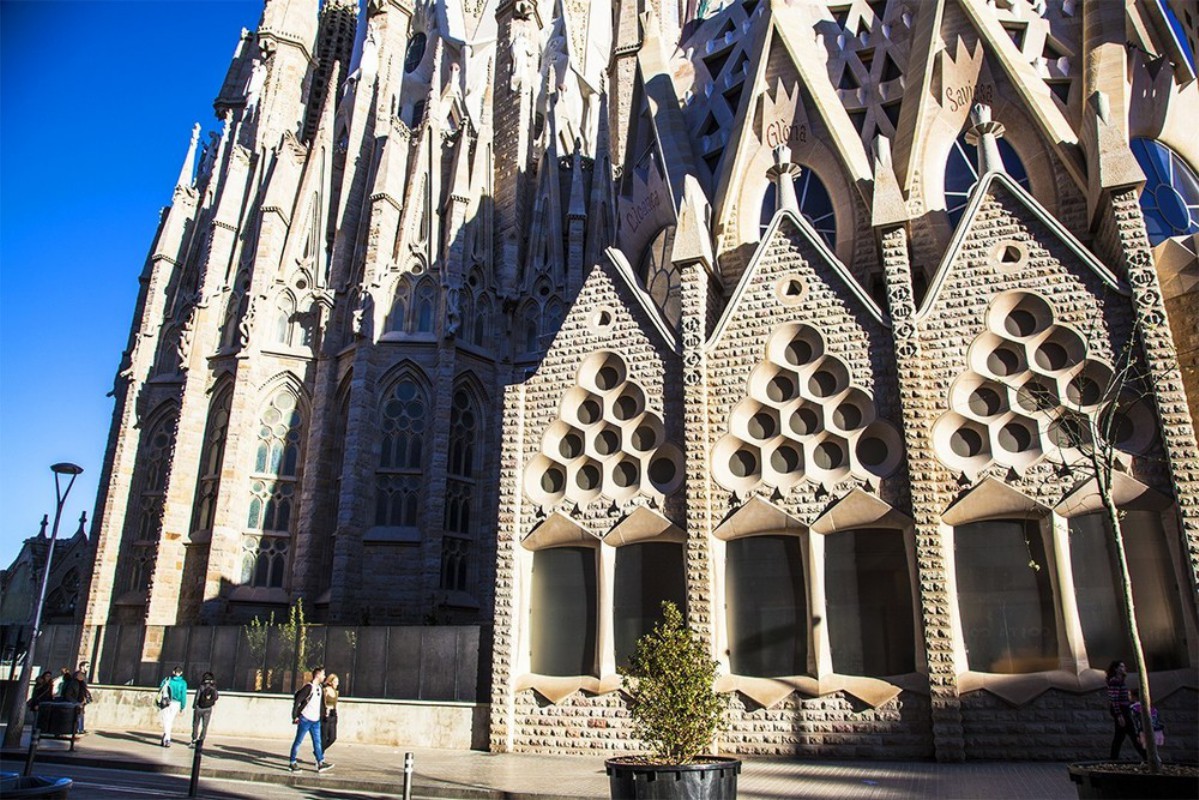
Style and Characteristics Comparison Table
| Italian Architectural Features | Spanish Architectural Features |
|---|
| Symmetrical layouts, intricate carvings | Vibrant colors, curved forms |
| Use of marble and stone | Combination of brick and decorative tiles |
| Classical column structures | Mix of Gothic and Mudéjar styles |
Materials and Decoration
Italian architecture tends to use marble and stone along with detailed carvings, creating a sense of grandeur and elegance. Spanish architecture, however, favors decorative tiles, woodwork, and wrought iron, offering a lively and softer visual experience.
Urban Experience
Strolling through Milan or Venice, you can feel the weight of history in the architecture. Walking through Seville or Toledo, however, you’ll experience an interplay of color and light, creating a more romantic atmosphere. Travelers can plan their routes based on their own preferences for culture and aesthetics.
Conclusion
Italian and Spanish architecture each have their own unique charm. Whether you seek the classical beauty of proportion or are drawn to the innovation of blended styles, both countries offer street corners that will capture your heart. Feel free to share your architectural observations and impressions from these two places—perhaps we can find inspiration for the next trip.
