Origins and History of Red Wall Architecture
Spain’s red wall architecture can be found in various regions, most commonly in Andalusia, Castile, and Valencia. The red hue of these buildings mainly comes from locally made clay bricks or red sandstone rich in iron, a material that is not only durable but also presents a [ color=red ]deep and warm color under the sunlight, adding a unique charm to the city streets.
Cultural and Aesthetic Significance
Red walls carry multiple symbolic meanings in Spanish culture: on one hand, they represent passion and strength, and on the other, in ancient times they were regarded as an expression of [ i ]home and identity. In modern times, red architecture remains a popular subject for photography enthusiasts and architecture students. 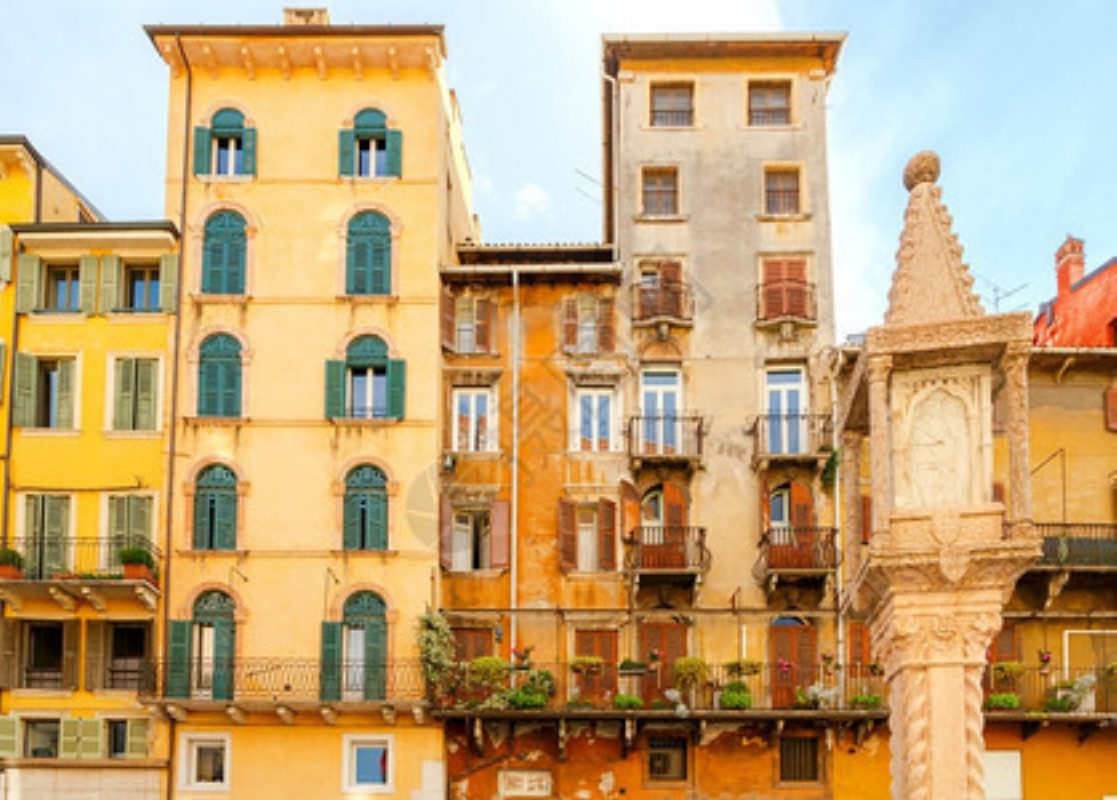
Famous Red Wall Landmarks
In different cities, you can find many famous red wall buildings, such as:
| City | Landmark |
|---|
| Granada | Alhambra Palace |
| Seville | Barrio de Santa Cruz |
| Valencia | Old Town residences |
These locations are not only rich in history, but Spain’s red wall architecture also attracts large numbers of tourists each year looking to capture memorable moments. If Spain’s red wall architecture is on your itinerary, we recommend avoiding the peak tourist season for a better experience.
Diversity of Architectural Styles
Although they share the dominant red color, their styles vary greatly: Andalusian red walls are often combined with Moorish arches and exquisite tiles, while Castilian red wall buildings are more massive and rustic, showcasing the strength of medieval fortifications.
Travel and Photography Tips
If Red Wall Architecture Spain Design you want to capture the beauty of red walls, choose to shoot during early morning or late afternoon when the light makes the red tones softer and more layered. We suggest using a wide-angle lens to capture the full view of the buildings, while also trying close-ups to show the texture’s charm. Don’t forget to stroll through local alleys and markets, as many hidden red wall corners are equally worth savoring.
