Spanish Architecture PhD Reading List and Study Guide [Spanish Architecture PhD]
Pursuing a PhD in Architecture in Spain involves not only mastering design techniques but also conducting systematic research into history, culture, technology, and urban morphology. Here is a refined reading list and study approach for the doctoral stage, useful for preparing your research plan or dissertation.
History and Theory
This category helps build a solid theoretical foundation and understand the development trajectory of architecture in Spain and Europe. Antonio Gallardo's “Arquitectura Española Contemporánea” offers deep insights into major turning points of the 20th century; meanwhile, Fernando Chueca Goitia’s “Breve Historia del Urbanismo” is an essential introductory text to grasp urban evolution and meet the requirements for [Spanish Architecture PhD Application Conditions].
| Title | Author |
|---|
| Arquitectura Española Contemporánea | Antonio Gallardo |
| Breve Historia del Urbanismo | Fernando Chueca Goitia |
| La Arquitectura Modernista | David Ferrer |
Design and Methodology
Doctoral-level design research requires a scientific approach. Spanish Higher School of Architecture recommends the book “Métodos y Técnicas del Proyecto Arquitectónico,” which systematically describes the process of design refinement and experimentation. From this you can learn how to apply theory to practical proposals and develop your own research framework.
Locality and Heritage Conservation
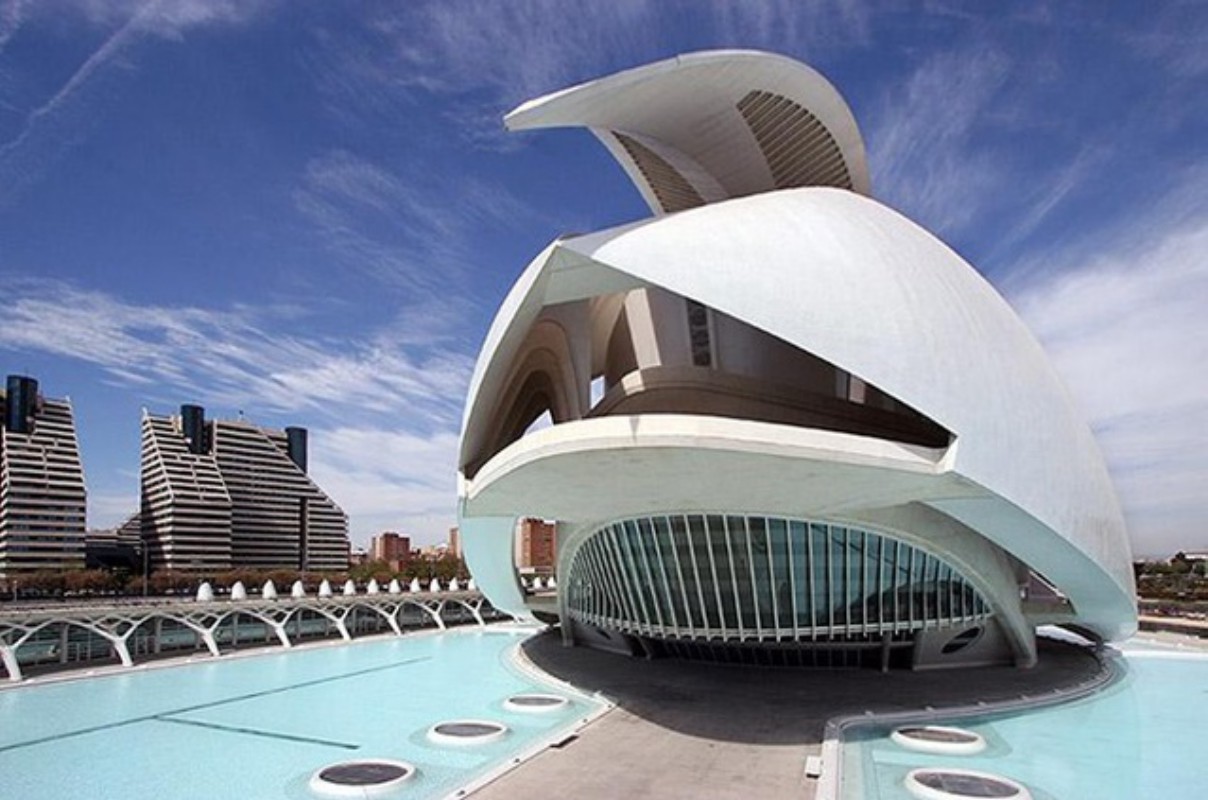
Spain’s cultural heritage is rich and diverse—from Moorish architecture in Andalusia to Catalonia’s Modernism—and must be studied in conjunction with local policies and international conservation standards. “Conservar y Restaurar la Arquitectura Histórica en España” offers detailed case studies and regulatory insights, ideal for students with a strong interest in conservation theory.
Fieldwork Recommendations
Field surveys are indispensable when drafting a doctoral thesis. Plan routes in advance—cross-regional comparisons lead to more persuasive conclusions. Madrid’s city center, Barcelona’s Eixample district, and Seville’s old town are all invaluable internship locations for [Spanish Architecture PhD Study Abroad].
Academic Exchange and Resources
Do not overlook the power of research communities. Several universities and architectural institutes in Spain regularly host seminars and workshops; participating helps you quickly gain cutting-edge information and peer feedback. Make use of open-access resources such as local architectural archives and municipal planning public databases—they can be extremely valuable throughout your PhD research.
