Cultural and Style Comparison Between Spanish and American Architecture
When strolling through city streets, architectural styles from different countries always provide a unique visual experience. Spanish and American architecture differ significantly in aesthetic principles, choice of materials, and historical background. These differences not only influence the look of cities but also shape lifestyles.
Influence of Historical Background
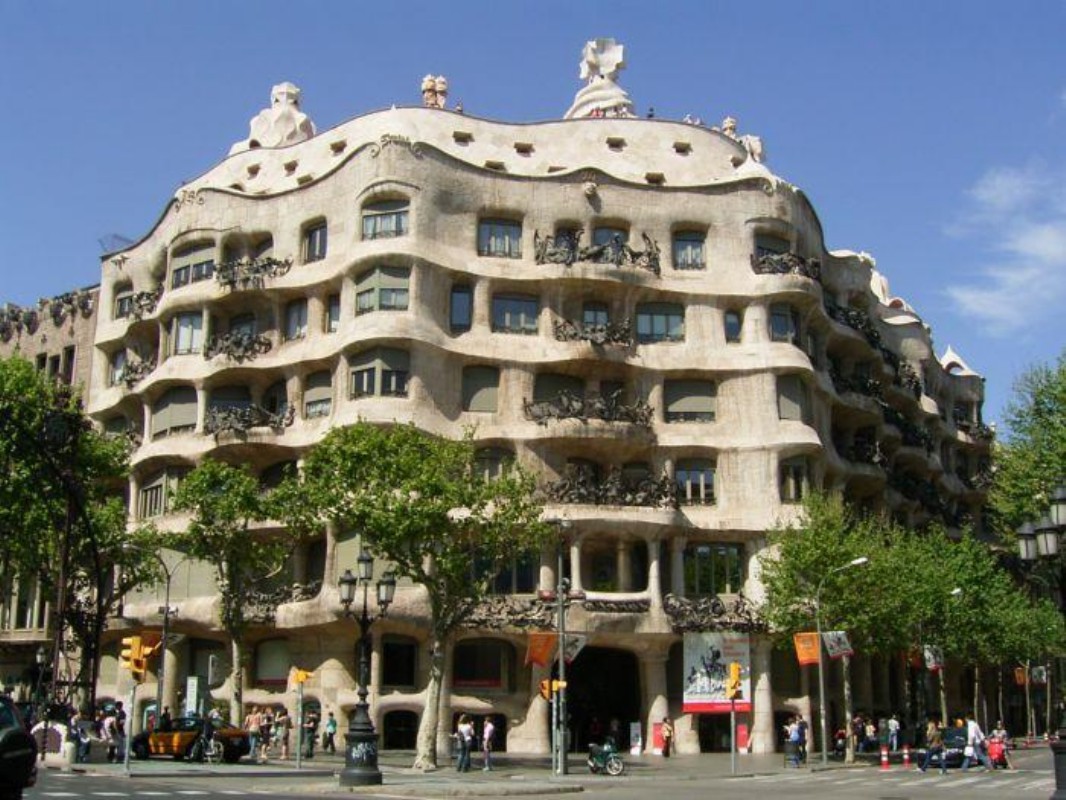
Spanish architecture is deeply influenced by the history of the Iberian Peninsula, with elements like Arab-style arches, thick stone walls, and colorful tiles being common; American architecture, on the other hand, often Spanish architecture reflects colonial-era English and French styles, later incorporating the sleek lines of modern skyscrapers. This span in time has created two very distinct urban visuals.
Materials and Structure
Spanish buildings often use stone, brick, and ceramics—not only durable but also rich in regional character; American buildings tend to favor reinforced concrete and glass curtain walls in pursuit of height and transparency. In terms of climate adaptation, Spanish architecture emphasizes heat insulation, while in colder regions of the United States, thermal insulation is more valued.
| Region | Common Materials |
|---|
| Spain | Stone, Brick, Ceramics |
| USA | Reinforced Concrete, Glass |
Urban Planning and Sense of Space
In urban layouts, the narrow streets and closely packed houses of historic Spanish old towns create charming alleyways; American city planning, by contrast, emphasizes grid patterns, wide boulevards, and the clearly defined functional zones of American Spanish architecture. This planning philosophy reflects the different traffic and commercial cultures of the two nations.
Architectural Aesthetics and Public Life
Spanish life often unfolds around public squares and churches, with architecture serving as a backdrop for social interaction; American settings more often American Spanish architecture combine commercial streets, shopping centers, and high-rise residential buildings, resulting in relatively dispersed public spaces. This difference is especially evident in holiday events and daily social interactions.
Personal Impressions and Thoughts
As someone who enjoys observing architecture, I often find that the details of Spanish buildings invite closer inspection, while the grandeur of American structures inspires awe. Each aesthetic has its own merits, reflecting the lifestyle and attitudes of people from different countries. If you have the chance, I suggest experiencing these cities in person to feel their unique appeal.
Which architectural style do you prefer? Feel free to share your thoughts in the comments below.
