The Charm of Spanish-Style Architecture in the United States
In the United States, US Spanish Architecture, especially in California, Florida, and New Mexico, is a common and uniquely charming element of the urban landscape. Influenced by the Spanish colonial era, it blends Mediterranean flair with the natural environment of the Americas, showcasing a rich historical texture. Spanish-style buildings share unified aesthetic elements while subtly adapting to local climates and building materials. 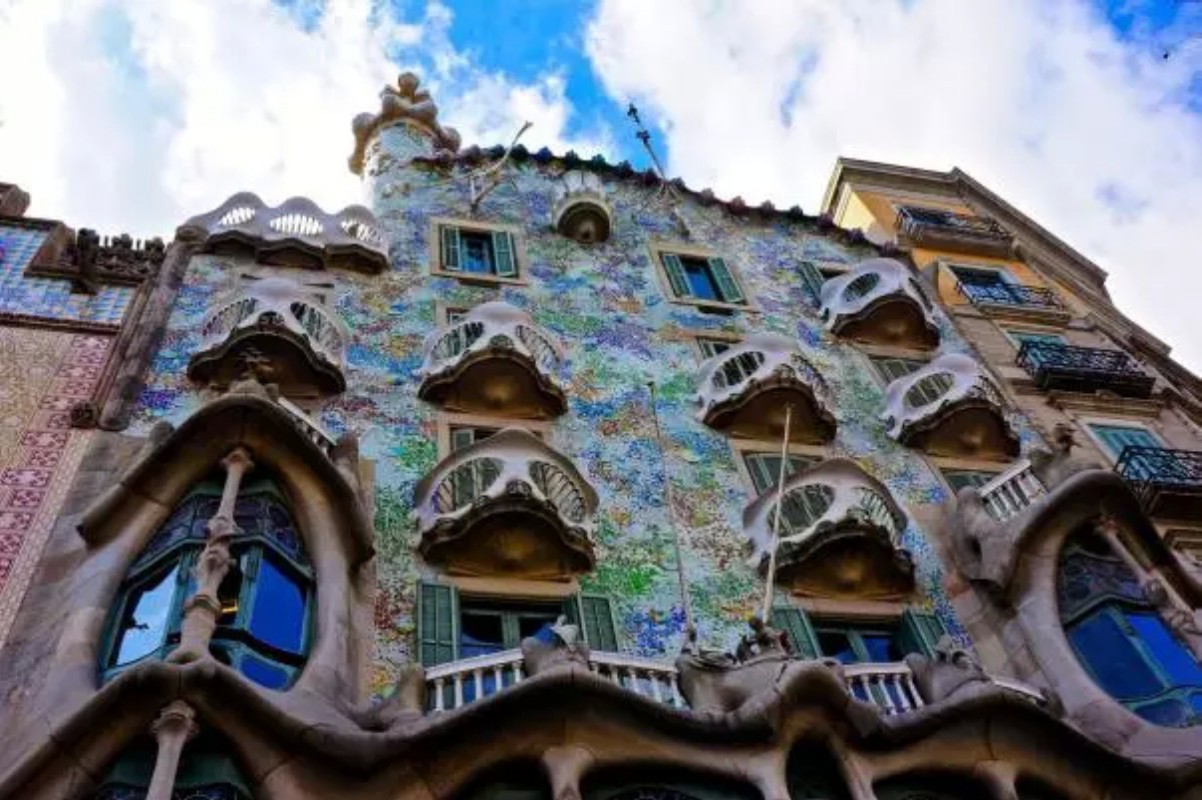
Core Features
The exterior of Spanish architecture is often marked by white stucco walls, red clay tile roofs, and arched doorways and windows. Interiors prioritize ventilation and natural light, with courtyards serving as vital living spaces, allowing family and friends to interact in spaces that are both private and open. The table below summarizes the main features and functions:
| Feature | Function |
|---|
| White stucco walls | Cooling and sunlight reflection |
| Red clay tile roofs | Heat-resistant and waterproof |
| Arched porches | Aesthetics and structural stability |
| Courtyard | Socializing and relaxation |
Regional Distribution and Variation
In California, Spanish-style architecture harmonizes with its romantic coastline, while in the deserts of New Mexico, US Spanish Architecture thicker walls are better suited to withstand large temperature differences between day and night. Florida’s version incorporates tropical plants, filling courtyards with flowers and fruit trees. These regional distinctions create a diverse expression of Spanish style across the U.S.
Blending with Modern Life
Though originating during the colonial era, this style has not been rendered obsolete by time. Many new homes retain traditional exteriors while integrating modern technologies such as energy-efficient glass windows and solar panels. This blend of old and new allows residents to enjoy classic aesthetics while benefiting from everyday convenience.
Cultural Significance and Living Experience
Living in a Spanish-style home creates a sense that time slows down, with life focusing more on personal connections and interaction with the surroundings. A barbecue in the courtyard or a casual chat on the porch reflects the social nature embedded in these spaces. For lovers of Spanish Architecture who cherish historical culture, such architecture is not just a living space but also a philosophy of life and a form of cultural expression.
Have you encountered such architecture in your city? Or perhaps lived in a home of this style? Feel free to share your stories and photos below so we can together appreciate the unique charm of Spanish-style architecture in the United States.
