Spanish Church Architecture in the United States
In many cities across the United States, you will encounter Spanish church buildings with red-tiled roofs, whitewashed walls, and exquisite bell towers. These are often significant local landmarks and embody transatlantic cultural exchange. In California, Texas, and New Mexico, this style is especially common due to strong influences from the Spanish colonial era.
Historical Origins
The emergence of Spanish church architecture in the United States began during the colonial expansion from the late 16th to the 18th century. Spanish missionaries established missions along the frontier, spreading Catholicism to Indigenous peoples through religious and educational efforts. Many ancient churches remain intact and are still in use today, with interiors and exteriors that exhibit a blend of classical elegance and simplicity.
Architectural Features
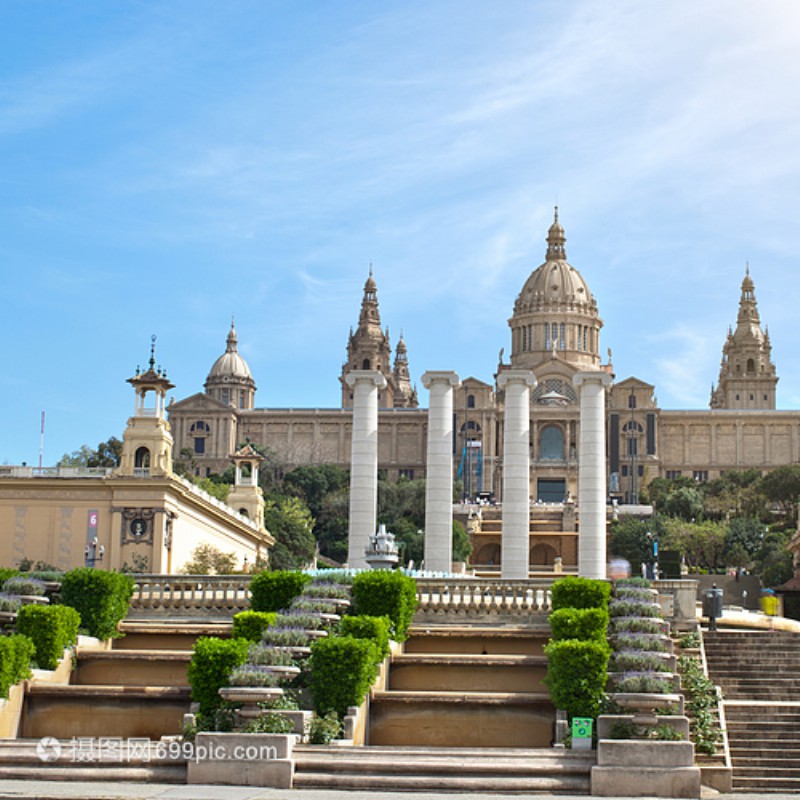
Typical Spanish church buildings use thick walls to shield from summer heat and winter cold, with arched doors and windows and curved arcades as key elements. Roofs are often covered with red clay tiles, and walls painted with lime or white plaster, creating a fresh visual appeal. Bell towers often rise above the main structure, serving both functional and aesthetic purposes.
| Architectural Element | Features |
|---|
| Roof | Red clay tiles, moderately pitched |
| Walls | Solid stone or adobe, whitewashed plaster |
| Decoration | Minimal carving, religious symbols |
Famous Examples
In Arizona’s Mission San Xavier, you can admire interior decorations blending Moorish and Baroque styles, rich in color and detail. In Old Town San Diego, several 18th-century churches still serve as community cultural hubs for Spanish architecture. Visiting these churches is not only a visual delight but also a cultural journey through time.
Tourism and Cultural Experience
For United States Spanish architecture enthusiasts, Spanish church buildings are more than religious sites—they offer deep insights into local history. Strolling between the massive stone walls, you can feel the harmony between architecture and its surroundings, prompting reflection on how missionaries once planted seeds of faith in distant lands. In some churches, you can join traditional festivals, enjoy music and dance, and immerse yourself in a distinctive atmosphere.
Tips
If you plan to visit Spanish churches in the United States, check opening hours in advance and be mindful of local customs. Some United States Spanish architecture churches allow photography, while others do not. Bringing along a friend knowledgeable in architecture or history will enrich your journey. Remember, churches are not only symbols of faith but also witnesses of cross-cultural exchange.
