Spanish Architectural Styles and the History of Roman Columns
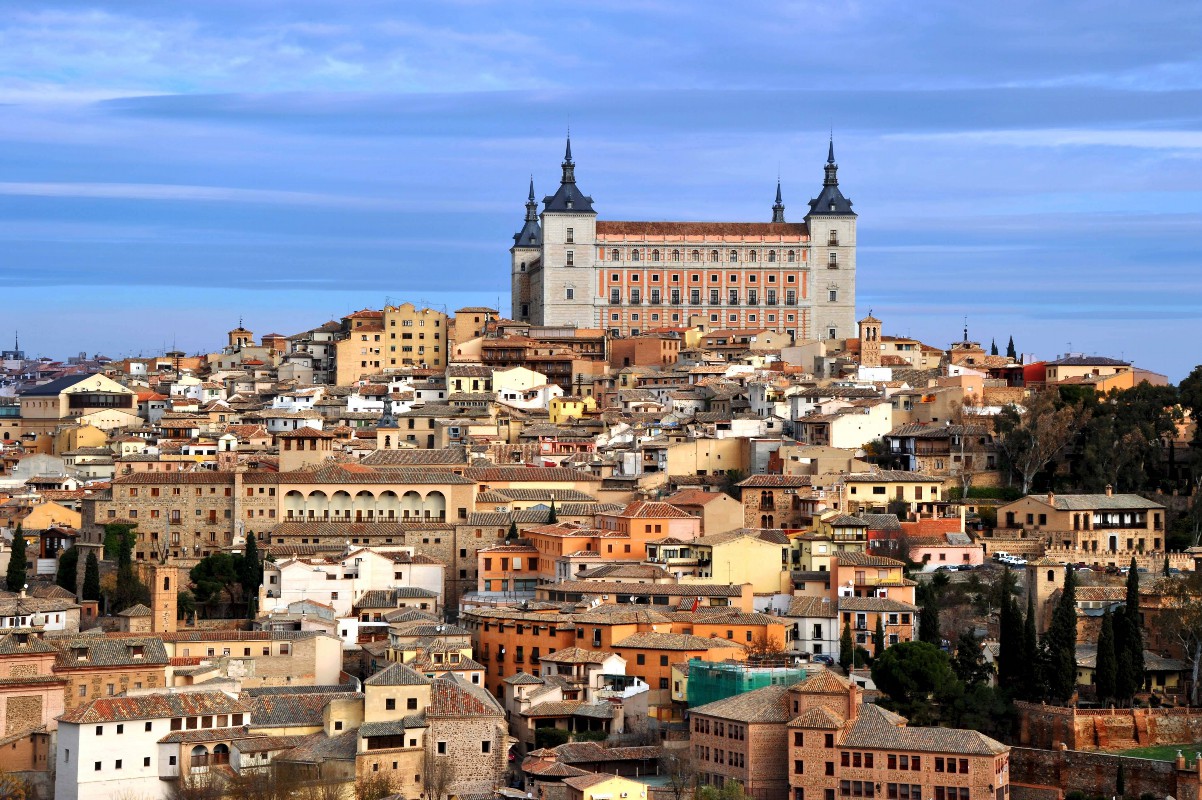
The architectural history of Spain is a vivid chronicle of cultural fusion. From the classical structures of the Roman era, to the Islamic elements brought by the Moors, and the ornate details of Gothic and Baroque styles, every city feels like an open encyclopedia of architecture. Roman columns, as one of the most iconic elements in Spanish Roman architecture, are not only a structural support but also a symbol of aesthetics and power.
The Origin and Spread of Roman Columns in Spain
Roman columns first appeared in public buildings and temples of the ancient Roman Empire, and through Spanish Roman-style architecture were introduced to the Iberian Peninsula via Mediterranean trade and military expansion. Mérida in Spain retains many intact Roman column relics, with stone pillars that have stood for two thousand years still standing, evoking the weight of time. Corinthian columns and Ionic columns in various forms can be seen across Spain.
Roman Columns in Different Architectural Styles
In Gothic cathedrals, Roman columns intertwine with pointed arches to create uniquely characteristic interior spaces.
| Architectural Style | Roman Column Features |
|---|
| Classical Style | Symmetrical arrangement, intricate carvings |
| Gothic Style | Combined with vaulted ceilings, light structure |
| Baroque Style | Exaggerated ornamentation, complex capitals |
Today, even on the facades of residential buildings in Madrid, simplified Roman column designs appear on balconies and entrances — no longer as load-bearing structures, but more as decorative cultural symbols, much like the Roman Colosseum Spanish architecture conveys cultural integration.
The Use of Roman Columns in Modern Spanish Urban Landscapes
Modern architects often adopt the proportions of Roman columns, combining them with glass and steel to create a visual effect between classical and contemporary styles. Some commercial center entrances feature Roman columns cast in concrete in one piece, retaining the classical feel while saving costs. In such spaces, people unintentionally “converse” with history.
Conclusion and Discussion
In Spain, Roman columns are not only historical heritage but also a cultural language, continuously reshaped and recreated in different eras. If you happen upon an interesting column design during your travels, remember to photograph and share it so that more people can join the discussion about architectural aesthetics. How much classical influence do you think modern Spanish architecture should preserve? Feel free to leave your comments below.
