Influence of the Ancient Roman Period
The history of Spanish architectural development can be traced back to the Ancient Roman period, when the Iberian Peninsula was an important territory of the Roman Empire. The Romans built numerous roads, bridges, and aqueducts, among which the famous Segovia Aqueduct still remains perfectly preserved and is in use today.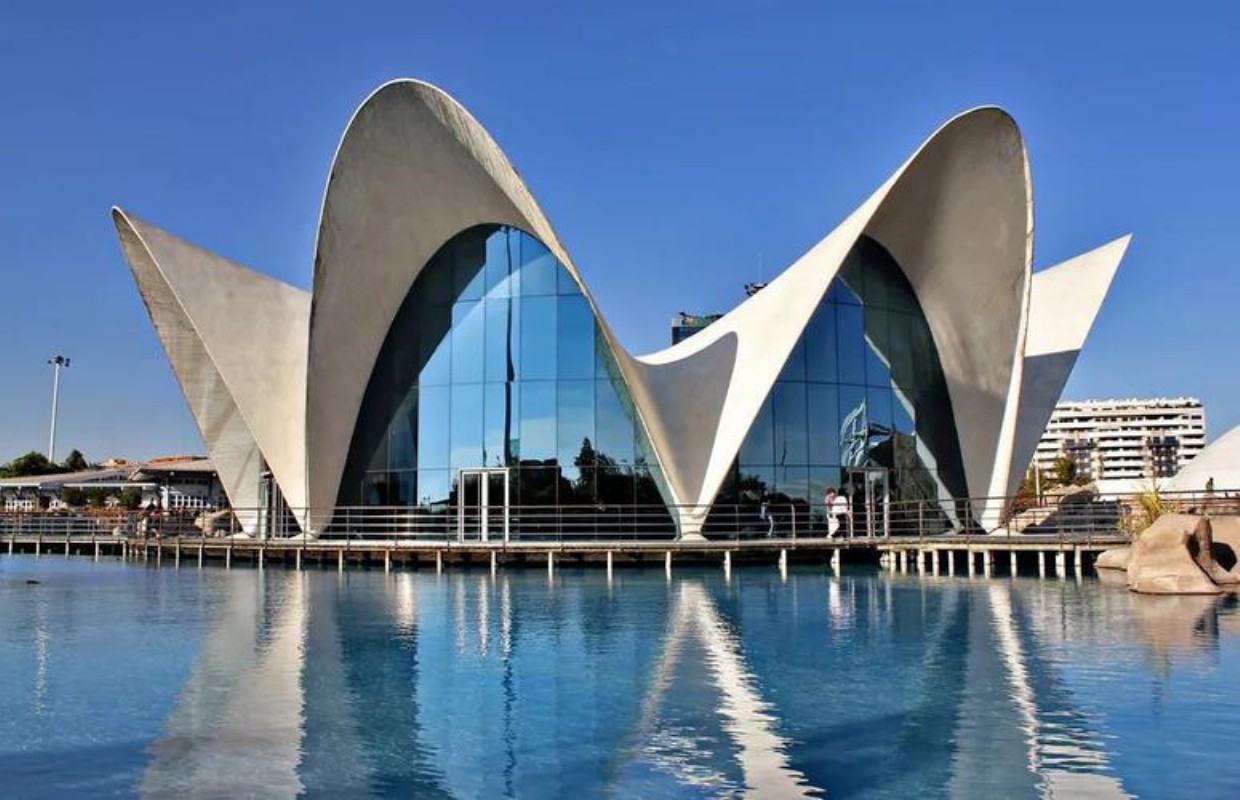
These ancient Roman structures not only demonstrate advanced engineering techniques, but [Spanish architecture] also influenced later city layouts and architectural concepts. Arch structures and stone-processing techniques continued and evolved over the following centuries.
Religious and Defensive Architecture in the Middle Ages
During the Middle Ages, Spanish architecture received a dual influence from Christian and Islamic cultures. The Alhambra during the Moorish period is the pinnacle of Moorish style, with intricate geometric decorations and courtyard layouts showcasing a distinctive aesthetic.
At the same time, Gothic cathedrals emerged in the northern regions, such as Burgos Cathedral, renowned for its towering spires and complex stone carvings. Religious architecture was not only a symbol of faith but also a fusion of technology and art.
Comparison of Different Styles
| Building Type | Representative Example [Spanish Architectural Development] |
|---|
| Ancient Roman engineering | Segovia Aqueduct |
| Moorish palace | Alhambra |
| Gothic cathedral | Burgos Cathedral |
Renaissance and Baroque Influence
In the Renaissance period, Spanish architecture began to merge Italian classical proportions and decorative elements, especially evident in palaces and municipal buildings. The Baroque style became famous for its lavish decoration and dramatic spatial effects, with the Royal Palace of Madrid as a typical example.
These periods emphasized symmetry and visual impact, while also reflecting Spain’s wealth and prestige during its global exploration and colonial era.
Modernism and Contemporary Architecture
By the late 19th and early 20th centuries, modernist works by architects such as Gaudí turned Barcelona into a sacred destination for architecture enthusiasts. The Sagrada Família and Casa Milà broke the traditional symmetry, embracing natural curves and innovative structures. Modernism marked the transition of architectural thinking from monumental to personalized design.
Today, contemporary Spanish architecture focuses more on sustainability and technological applications, such as photovoltaic roofs and smart city designs, trends that are shaping the future urban landscape.
Summary and Discussion
The history of Spanish architectural development is a reflection of cultural fusion and technological innovation: from Roman stone arches, to Moorish courtyards, Gothic spires, and modernist curves in harmony with green concepts, each is a witness to societal change.
When traveling in Spain, which architectural style do you love the most? Share your opinions and photos, allowing more [Future Development of Spanish Architecture] enthusiasts to experience the charm of the architecture in this land.
