Architectural Heritage Left by Spaniards
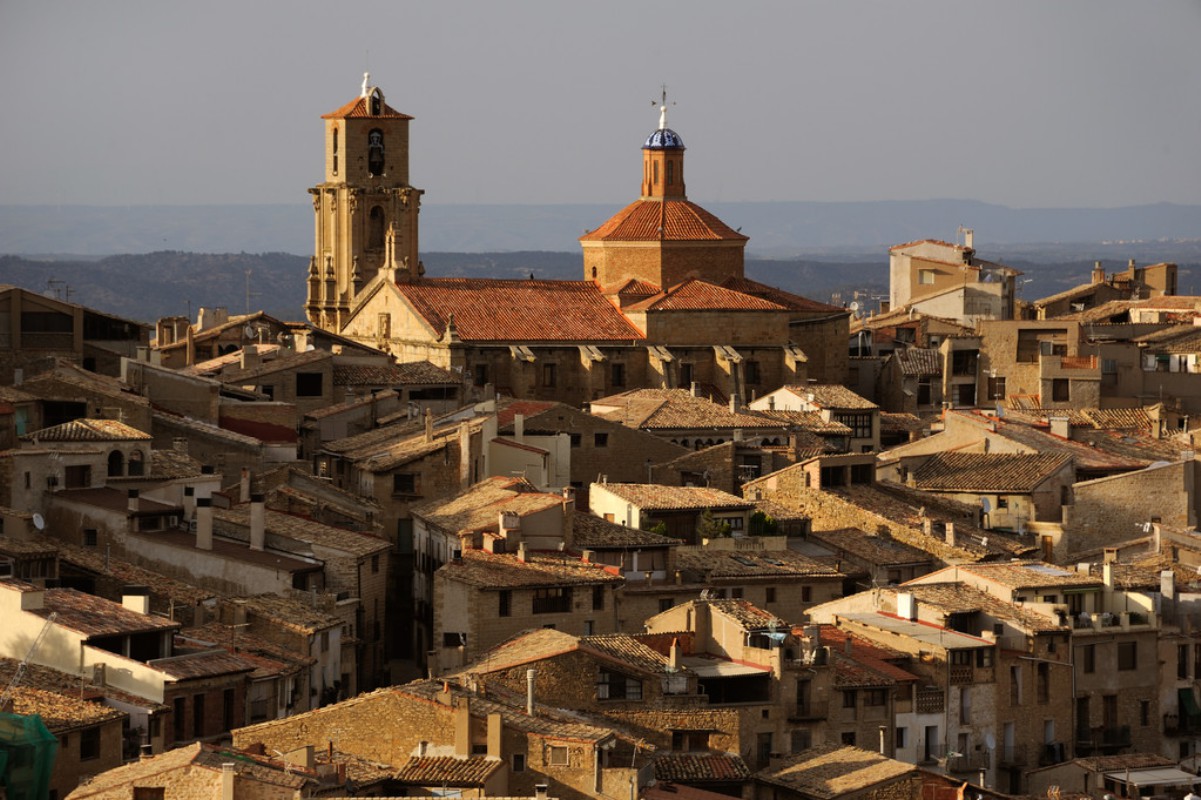
Walking through the streets of Spanish cities, it’s easy to be captivated by the colorful, uniquely shaped buildings. These are not only the result of centuries of cultural accumulation but also a testament to how Spaniards’ understanding of Spanish architectural styles in art and life has been projected onto stone and timber.
Diverse Architectural Styles
One of the most striking aspects of Spanish architecture is its diversity. The Mudéjar style blends Islamic and Christian art; Gothic cathedrals use spires and large windows to display majestic religious scenes; and in modern times, masters like Antoni Gaudí brought Spanish architectural styles dreamlike curves and vibrant colors to Barcelona.
| Style | Representative Building |
|---|
| Gothic | Barcelona Cathedral |
| Mudéjar | Teruel Church |
| Modernism | Sagrada Família |
Cultural Landmarks in Cities
In Madrid, the Royal Palace symbolizes the Spanish monarchy, with interiors so lavish they take your breath away. In Seville, the Alcázar Palace showcases craftsmanship and design that blend various cultures from the Iberian Peninsula. These buildings are not only tourist attractions but also symbols of the city’s memory.
Whether you are an architecture enthusiast or a casual stroller, you can find stories of your own within these buildings.
Spanish Marks Overseas
Not only in its homeland, but during the Spanish colonial period, vast numbers of Baroque and colonial-style churches and civic buildings emerged in Latin America, such as Mexico City’s Metropolitan Cathedral and the Cathedral of Cusco in Peru. This transoceanic cultural export turned Spanish architectural language into a global phenomenon.
How to Experience These Buildings
It’s advisable to spend extra time in front of these buildings when traveling, observing the details carefully. For example, Spanish defensive buildings include stone-carved patterns, stained glass windows, and even the arrangement of plants in courtyards. Such details are often key to understanding the culture behind the architecture.
Conclusion and Discussion
Spanish architectural heritage is a comprehensive reflection of history, art, and lifestyle. From ancient towns to modern cities, various styles weave together into a unique visual feast. During your travels or in your own city, have you encountered Spanish buildings that left a deep impression on you? Feel free to share your discoveries in the comments.
