Differences and Charm of Spanish and Portuguese Architecture
When traveling across the Iberian Peninsula, one is inevitably captivated by the architectural allure of different cities. Although Spain and Portugal are geographically adjacent, their architectural styles display a rich blend of differences and interconnections, reflecting not only the shadows of history but also the diversity of culture.
Historical Origins
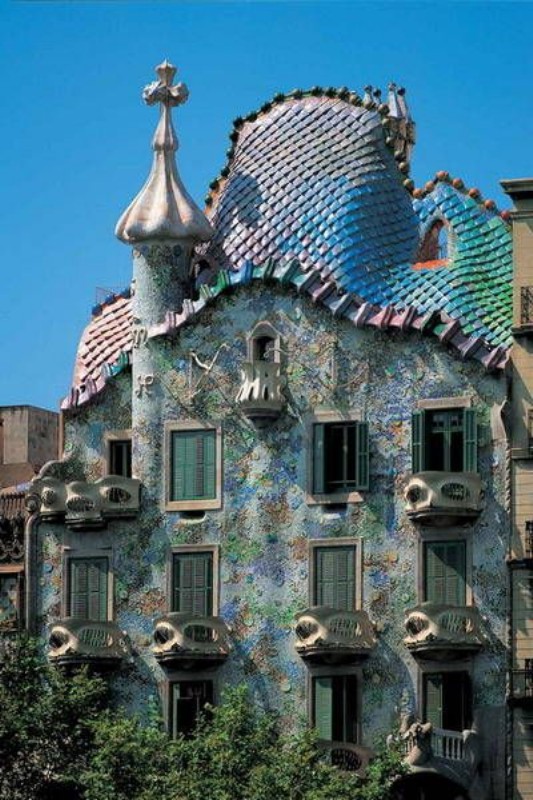
Spanish architecture has been deeply influenced by the legacy of the Roman Empire, Islamic Moorish traditions, and Christian Gothic style, gradually evolving into various schools such as Baroque and Modernism over time. Catalonia’s Modernist architecture is particularly iconic, exemplified by Gaudí’s Sagrada Família. Portuguese architecture, meanwhile, emphasizes the grandeur of the Age of Discovery, with the Manueline style as its hallmark, blending Gothic, Renaissance, and nautical elements. Symbolic motifs such as rope shapes and maritime symbols are often found in window and door decorations.
Materials and Colors
Southern Spain often features whitewashed walls paired with red-tiled roofs, evoking a warm and vibrant atmosphere. In contrast, the colorful tiles that adorn the streets of Portuguese cities are not only an essential element of building facades but also storytellers of the past. These blue-and-white tiles, reflecting light under the sun, create a refreshing and pleasant visual experience.
| Spanish Architectural Features | Portuguese Architectural Features |
|---|
| Moorish courtyards and arches | Azulejos tile culture |
| Catalan Modernism | Manueline style |
| Red tiles and thick stone walls | Rope-shaped maritime elements |
Typical Examples
In Spain, you can visit the Alhambra in Granada to admire the intricate details of Moorish architecture. In Portugal, you should not miss the Modern Architecture of Lisbon’s Jerónimos Monastery, which represents the pinnacle of Manueline style. Both stand as symbols of their respective eras of glory, immersing travelers in a unique aesthetic ambiance.
Tips for Sightseeing and Photography
When photographing architecture in Spain, use the gentle light of morning or dusk to highlight the beauty of lines; in Portugal, focus on capturing the details of tiles alongside the overall layout of streets, especially the color shifts created when sunlight filters through the tiles, offering a strong visual impact.
Conclusion
Although Spain and Portugal differ greatly in their architecture, it is precisely these differences that form the singular cultural landscape of the Iberian Peninsula. Whether it is the Moorish colonnades of the south or the blue-and-white tile walls of Lisbon, each deserves careful appreciation and photography, leaving behind a journey’s memory uniquely your own.
