Architectural Exploration in Spain and Portugal
My first step into the Iberian Peninsula left me deeply [ color=blue ]attracted[/color] by its architecture. The streets of Spanish and Portuguese cities feel like an open history book, where each walk allows you to cross several centuries. From Gothic cathedrals to the Manuelino style’s maritime embellishments, every detail is worth careful examination.
The Fusion of Gothic and Baroque
In Toledo and Salamanca, ancient Gothic towers rise straight into the sky, solemn and mysterious. Meanwhile, in Lisbon’s old town, Baroque carvings intertwine with white facades, creating a visual feast. The fusion of these styles, unlike the single trends seen in other European countries, makes the exploration especially interesting.
Maritime Culture’s Imprint
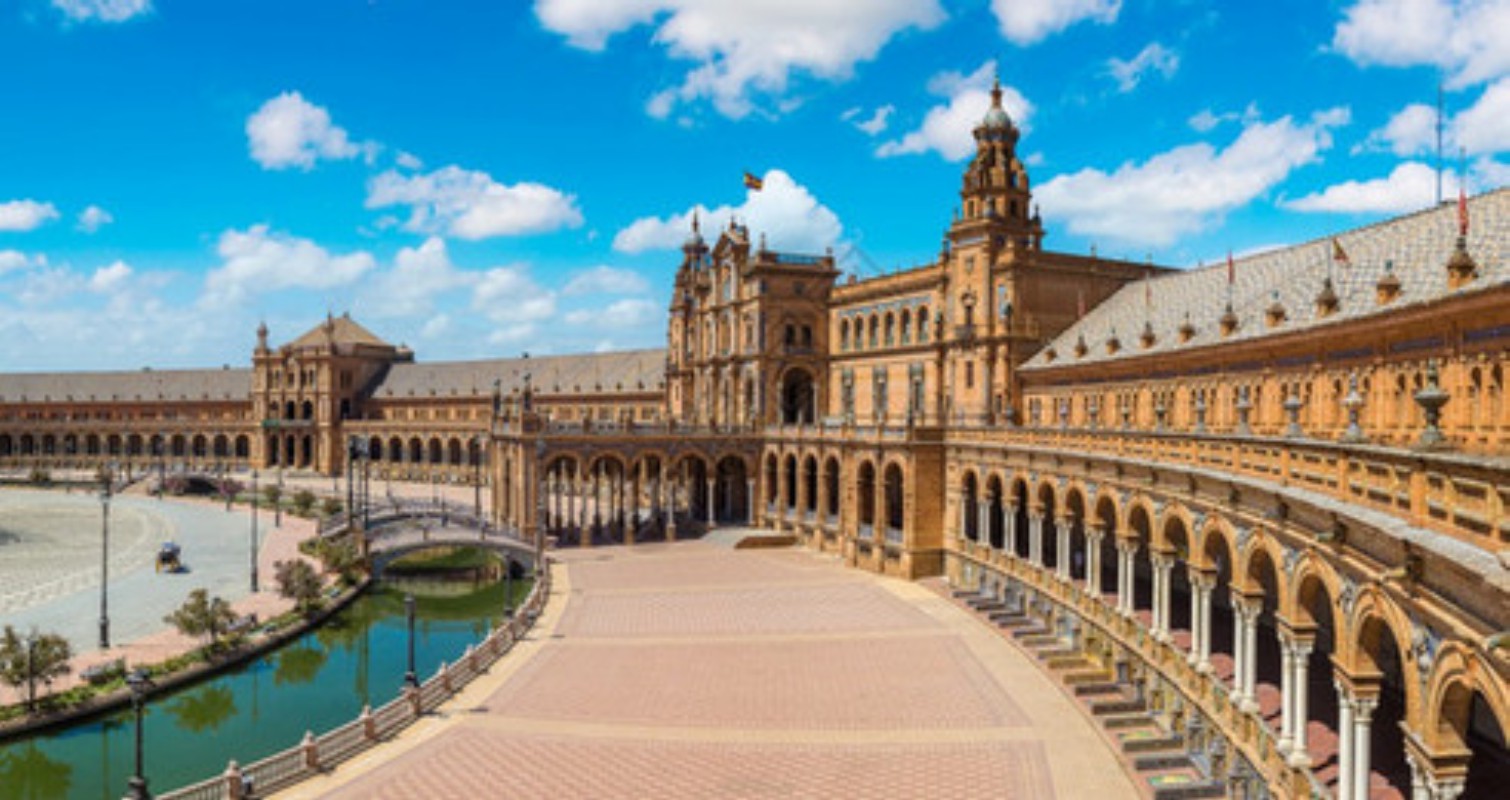
Portugal’s Belém Tower and Monument to the Discoveries are not only landmarks but symbols of the Age of Navigation. In Spain’s port area of Seville, intricate tiles narrate the glory of maritime trade. This cultural background adds unique symbolic meaning to the architectural styles.
Dialogue Between City and Countryside
Beyond the cities, you should also visit small towns in northern Spain and rural areas in Portugal. Stone houses and red-tiled roofs tell the warmth of life under the sun. Such experiences make the exploration not only about grand architecture but also about touching human stories.
| City | Representative Building |
|---|
| Barcelona | Sagrada Família |
| Lisbon | Belém Tower |
| Seville | Seville Cathedral |
| Porto | Luís I Bridge |
Tips and Routes
If modern architecture is part of your self-guided exploration plan, start in Madrid or Lisbon and link the major cities together, adding two or three rural villages or small towns as a change of pace along the way. This way you can feel the architectural shock of big cities while finding inspiration in quiet streets. Likewise, reserve time to observe local [ s ]cultural details[/s], such as the colorful tiles in the streets and the wrought iron flower stands on balconies—these small elements are often the most vivid memories.
