The Origins of Structuralist Architecture in Spain
Structuralist architecture in Spain has a unique trajectory, emerging in the mid-20th century and blending the rational spirit of European modernism with the diversity of local culture. This architectural approach explores the relationship between space and people, emphasizing adaptability and modular design. In the post-war period, urban reconstruction and increasing population density encouraged architects to experiment with new structures and organizational methods.
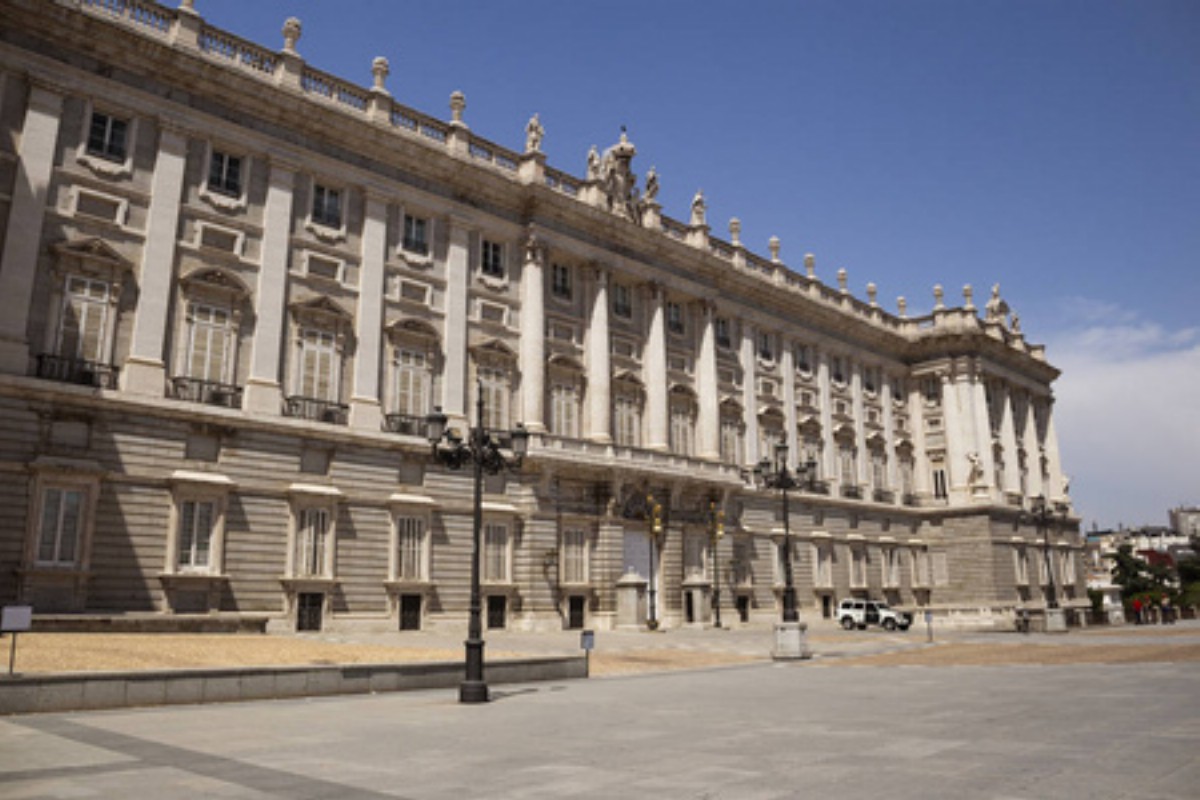
Representative Structuralist Urban Projects
In Madrid, some social housing districts adopted structuralist concepts featuring modular repetition and extensive public spaces. These projects went beyond basic residential needs, emphasizing community interaction and circulation. For example, architect Ricardo Bofill designed complexes in Barcelona with strong structuralist characteristics to accommodate multi-generational living.
| City | Representative Structuralist Project |
|---|
| Madrid | Structured social housing districts |
| Barcelona | Comprehensive residential communities with public spaces |
| Valencia | Modular educational buildings |
Design Philosophy and Aesthetic Features
Structuralism emphasizes modular repetition and the flexible spatial combinations of Spanish Structuralist Architecture, making it easier to adapt buildings to the needs of different groups. Aesthetically, it can sometimes appear austere, but the use of materials and colors by Spanish Structuralist Architects can introduce a warmer dimension. The Spanish interpretation often integrates fine Mediterranean details into modern geometric forms, resulting in greater approachability.
Profound Impact on Urban Spaces
This architectural style not only reshaped building forms but also influenced urban planning. Public space became a core concept, with neighborhood layouts incorporating more pedestrian pathways and opportunities for local interaction, as envisioned by [Spanish Architectural Structure Masters]. Structuralist ideas inspired many subsequent urban renewal projects, promoting mixed-use development and sustainable living environments.
The Legacy of Structuralism Today
Although contemporary architecture embraces a wider variety of styles, the legacy of structuralism in Spain remains visible. Many projects from that era have been repurposed as cultural centers and creative districts, continuing its original open and interactive spirit. Discussing Spanish structuralist architecture is not only about tracing a design philosophy; it is also an important means of understanding the social and cultural transformations of that period.
