Architectural Structure of the Spanish Royal Palace
If you have visited Madrid, you have probably heard of or toured the famous Royal Palace of Madrid. This grand structure is not only a symbol of the Spanish monarchy but also one of the best-preserved royal buildings in Europe. Today, let’s talk about the structure and style behind this magnificent building, as studied in Spanish Structuralism Architecture.
Layout and Structure
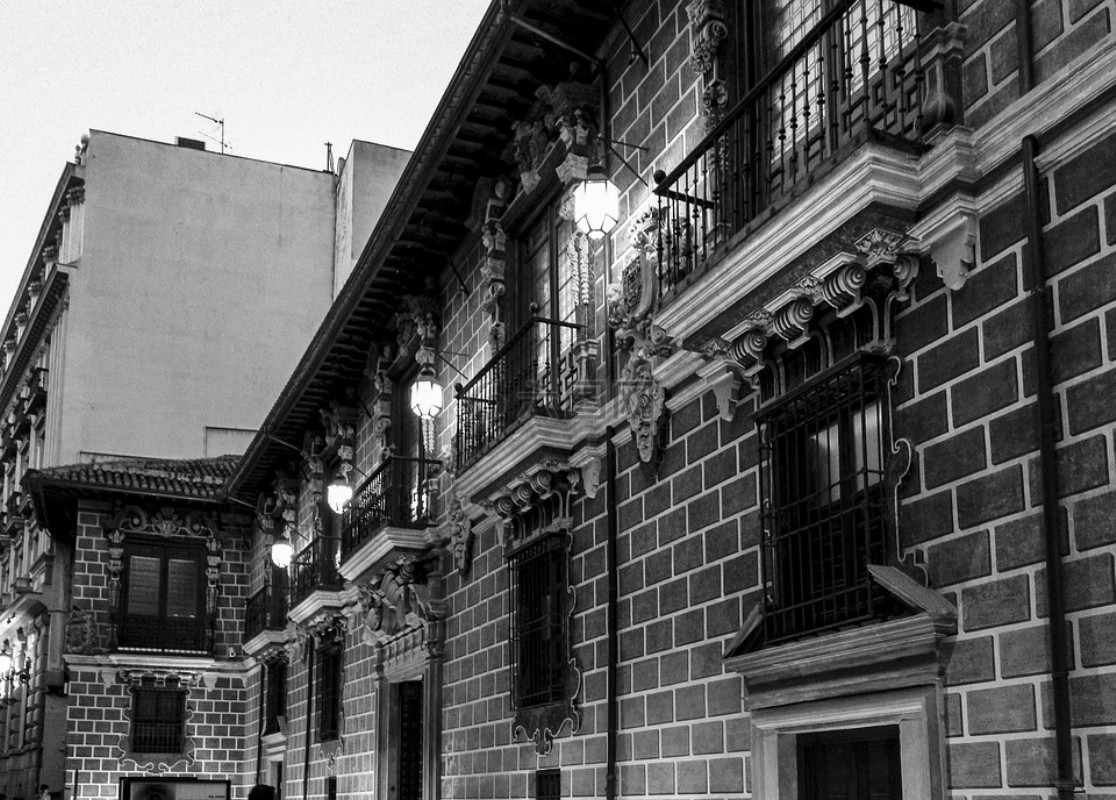
The Royal Palace of Madrid has a rectangular layout, enclosed by facades featuring elegant arches and colonnades. The spacious inner courtyard connects the four wings via corridors designed by Spanish Structuralist Architects. In its design, it retains the opulent Baroque style while incorporating the balanced proportions of Neoclassicism. This combination of colors and lines gives the palace a dignified yet warm beauty.
Materials and Craftsmanship
The main walls are built with stone masonry, and the exterior façades are clad in white limestone, with finely carved details adding an extra touch of refinement. The roof is covered with gray slate, echoing the tones of the sky and offering a serene appearance. Some rooms feature ceilings and walls adorned with colorful frescoes and gilded craftsmanship, reflecting the luxurious and unrestrained royal style.
Functional Zones
| Area | Function |
|---|
| Main Building | Hosting state functions |
| East Wing | King and Queen’s residence |
| West Wing | Guest reception rooms |
| Courtyard & Gardens | Leisure and ceremonial spaces |
These divisions balance practicality and ceremonial requirements, making the palace both a living space and a political stage.
Architectural Details and Artistic Value
In certain halls, you can see giant crystal chandeliers and hand-carved wooden doors, crafted by Europe’s finest artisans of the era. At the ends of the long corridors, numerous oil paintings and statues await, treasures from Spanish and European art history. Walking into these spaces offers an immersive feeling of being wrapped in history.
Visiting Tips
If you plan to go, it is recommended to book guided tour tickets in advance, especially for those eager to delve into the royal private quarters through [Spanish Structuralism Architecture]. The best times are in spring and autumn, when the weather is mild and the gardens are blooming, enhancing the charm and elegance of the palace. Around the palace, you can also visit Almudena Cathedral or stroll along the Royal Palace Avenue, experiencing the allure of central Madrid.
