Origins and History of Spanish-Style Architecture
Spanish architectural style holds a unique position in European architectural history, with its origins tracing back to the diverse cultural fusion of the Iberian Peninsula. From the geometric patterns of Moorish buildings to the stone carving details of the Renaissance, this style reflects traces of long-term exchanges between civilizations. This fusion continues to have a distinct identity in modern times.
Common Architectural Elements
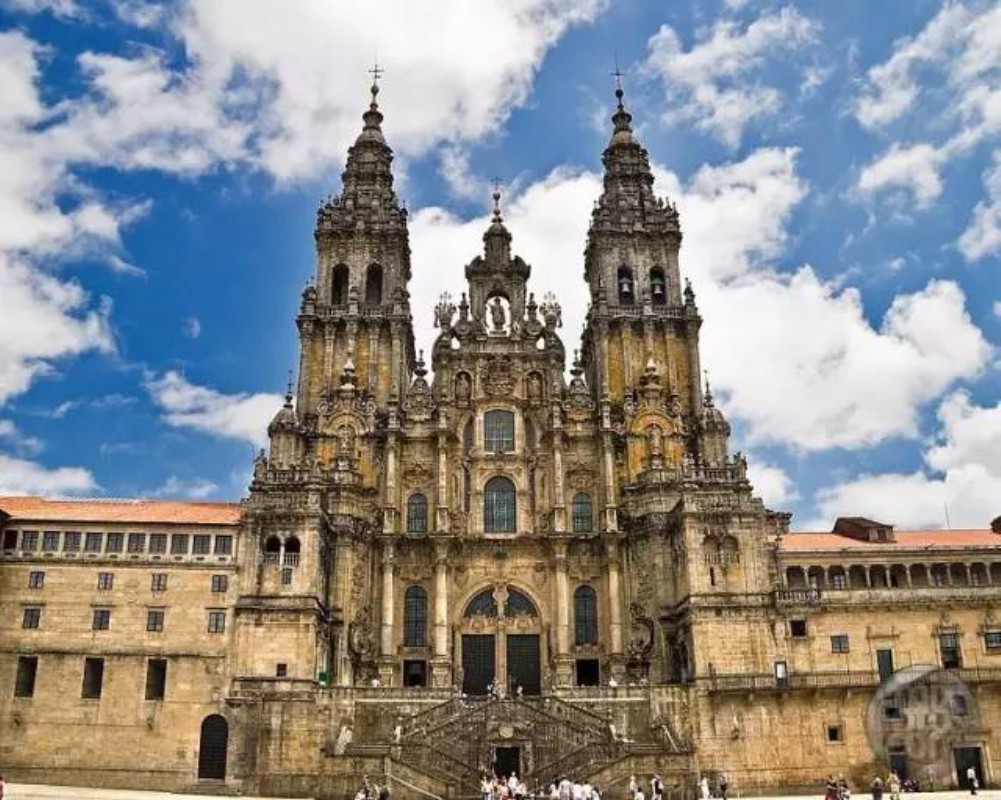
Color is one of the most captivating aspects of Spanish architecture, featuring red-tiled rooftops, whitewashed walls, arched porticos, and expansive courtyard spaces as seen in Spanish architecture. Rounded arches and carved railings form an essential combination that satisfies practical needs while bringing a rhythmic visual appeal.
Regional Differences
| Region | Style Features |
|---|
| Andalusia | Combination of Moorish style and Baroque with intense colors |
| Catalonia | Gaudí’s organic curves merged with Modernism |
| Madrid | Royal palaces with classical symmetrical layouts |
These differences make Spanish cityscapes full of surprises from south to north, with each location worth pausing to observe.
Relationship Between Daily Life and Architecture
Spanish architecture is not just a cultural symbol but also an integral part of residents’ daily lives. Arcades provide shade during hot summers, while thick walls offer excellent insulation in winter. This is not only an aesthetic consideration but also a climate adaptation strategy. Many courtyards are turned into gardens, becoming the social hubs of households.
Architectural Experience While Traveling
Walking through the old town of Seville, you can spot intricate tiled walls and colorful stained glass windows everywhere; the rooftop lines of Barcelona look especially soft under the setting sun. Paying attention to these details during your travels not only enhances your photography but also deepens your understanding of the local culture. If you have the chance, step into those seemingly ordinary alleys—they often hide fascinating architectural stories.
