The Charm of Traditional Rural Architecture in Spain
In many rural regions of Spain, traditional rural architecture still retains a strong local character. Most of these houses are built from a mix of stone, wooden beams, and clay, exuding a sense of nature and history. Architectural styles in different areas blend the characteristics of the Mediterranean climate with farming culture, and walking through these villages feels like travelling back through centuries.
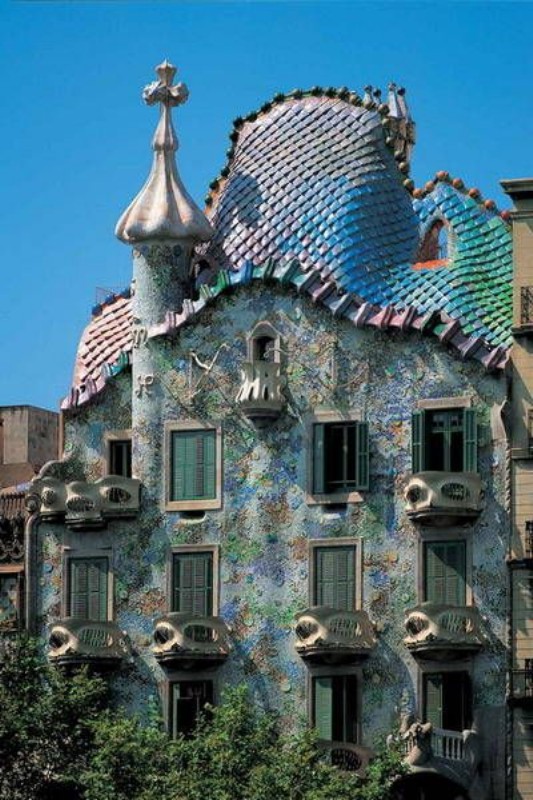
Structure and Materials
In Galicia, dense stone walls and small windows are common to combat dampness and cold; in Andalusia, whitewashed walls reflect sunlight to keep interiors cool. Typical materials include basalt, granite, terracotta bricks, and oak or chestnut beams.
| Region | Features |
|---|
| Galicia | Thick stone walls, small windows to resist moisture |
| Andalusia | Reflective white walls, ventilated terraces |
| Castile | Terracotta brick walls, arched doors |
Living Comfort
Although these buildings may Spain rural architecture for sale not be as modern as city apartments, in winter the thick walls provide warmth, while in summer they remain pleasantly cool. Maintenance requires regular inspection of wooden beams and roof tiles to prevent insect damage and leaks. Those who have lived here long often feel that the Spain rural architecture lifestyle is slow-paced and relaxing.
Integration with Local Life
Living in traditional rural architecture is not just a housing choice but also a way to become part of the local community. Neighborly relations are close; during festivals, everyone decorates houses and streets together, with traditional cuisine complementing architectural heritage. You can plant grapevines by the doorway to bring more vitality to the home.
Preservation and Heritage
In the face of modernization, how to protect these traditional buildings has become an important topic. Many regional governments have introduced renovation subsidy policies, encouraging residents to reinforce safety while preserving the original appearance. This not only sustains cultural heritage but also keeps precious living memories for future generations.
