Spanish Architecture Tutorial
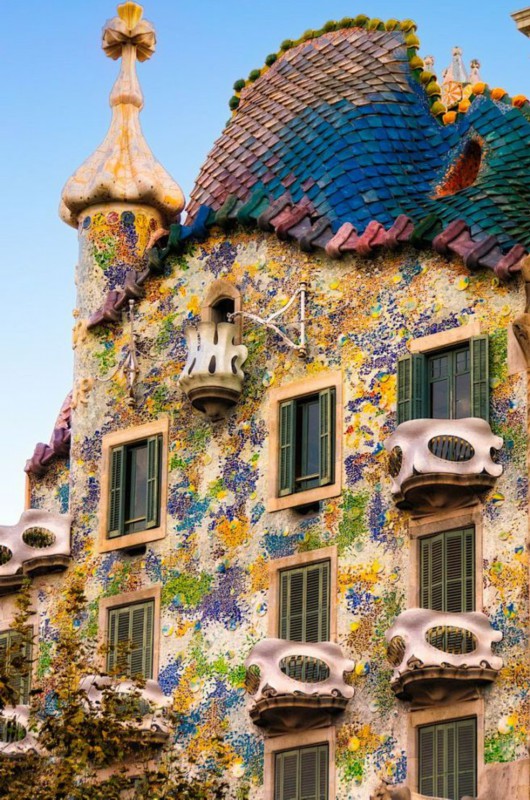
Living in Spain, many people have experience renovating their own homes or participating in small building projects. The architectural style here blends the openness of the Mediterranean with the detailed beauty of European traditions. Mastering some practical construction steps from the Spanish Architecture Tutorial can make your project run more smoothly. This tutorial will share information on material selection, construction processes, regulations, and key design points.
Material Selection
Spanish buildings often use brick, concrete, and ceramic tiles. Local terracotta tiles are not only sun-proof and rain-resistant, but also help with indoor insulation and cooling. When purchasing materials, it is advisable to first compare local building market prices, do not blindly pursue the cheapest option, since durability directly affects maintenance costs.
| Material Type | Features |
|---|
| Red brick | Solid structure, moderate cost |
| Terracotta tiles | Waterproof, breathable, visually warm |
| Stone | High-end durability, complex construction |
Construction Process
Creating a detailed schedule is key—construction teams in Spain typically charge weekly, and delays will increase the budget. It is recommended to divide the work into the following main stages: foundation, main structure, roof, waterproofing, and finishing. At the end of each stage, carry out quality inspections. Neglecting inspections may lead to rework in Spanish Architecture Color Matching.
Regulations and Permits
In Spain, most building renovations require a municipal permit. Different autonomous communities have specific requirements for building height and appearance. Before starting work, be sure to confirm the procedures on the city hall’s website or in person to avoid illegal construction. Pay special attention to protection regulations in historic city areas.
Design Tips
With Spain’s abundant sunlight, you can improve lighting and ventilation by increasing window area and incorporating courtyards. Roof slopes are usually around 30 degrees, aiding in rainwater drainage. Warm color tones are recommended to harmonize with the local environment.
Maintenance and Upkeep
After construction is completed, regularly check the integrity of the roof waterproofing layer and wall coatings. Conduct comprehensive maintenance every two to three years to extend the building’s lifespan. Coastal cities in Spain have higher humidity, so moisture-proof measures are essential—this point is often overlooked.
If you also have construction experience or tips, feel free to share them here; lifestyle forums are perfect for exchanging practical information.
