Analysis of the Number and Distribution of Religious Buildings in Spain Spain Religious Buildings
When strolling through Spain’s cities or countryside, religious buildings of various types can be found in almost every corner. They are not only places of faith but also crystallizations of history and art. Nationwide, these buildings are astonishing in number and diverse in type, ranging from Catholic churches to mosques and monasteries, each with its unique charm.
Total Number of Religious Buildings in Spain
According to public statistics from the Ministry of Culture and local governments, Spain has over 48,000 registered religious buildings. About two-thirds are Catholic churches, alongside hundreds of mosques, dozens of synagogues, and numerous monasteries. These buildings not only serve the religious life of local residents but also attract tourists from around the world. 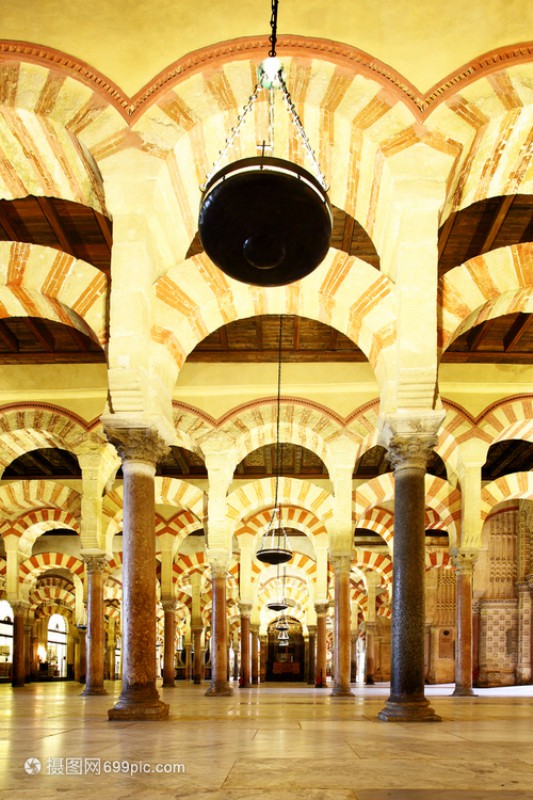
Overview of Type Proportions
| Type | Estimated Number |
|---|
| Catholic churches | 32,000 |
| Mosques | 300 |
| Synagogues | 25 |
| Monasteries | 1,500 |
| Other religious facilities | 14,000 |
From the table, it can be seen that Catholic churches dominate Spain’s religious architecture, but traces of a diverse religious culture are equally evident.
Distribution Characteristics
In historic regions such as Andalusia and Castile-León, the density of religious buildings is high, often with multiple churches of different styles in a single small town. Northern regions are renowned for their ancient monasteries and stone churches. In Catalonia and similar areas, there are many examples where modern religious architecture blends with traditional styles.
Historical and Cultural Value
The history of these religious buildings spans widely—from early Christian churches of the Roman era to medieval Gothic spires and mosques in Islamic architectural style—all preserved in Spain. They bear witness to the blending of multiple cultures in the country and form part of the Spanish identity.
Visiting and Preservation
If you plan to travel in Spain, it is recommended to check in advance the opening hours of religious buildings in each city. Most churches and monasteries open to visitors during specific periods, while some Number of Religious Buildings in Spain require advance bookings to visit. It is worth noting that excessive commercial development can damage the original atmosphere of these buildings, so while visiting, you should also respect local religious customs.
The number and distribution of religious buildings in Spain reflect its rich history and regional diversity. Whether you are a history enthusiast, cultural researcher, or casual traveler, you will find unforgettable sights here.
