Basic Discussion on Spanish Architecture SU Models
Many people living in Spain or studying architecture encounter situations where they need to create SU models to express design concepts. Especially when working with native Spanish architectural styles, capturing those unique facades, arches, and color palettes in the model can be quite a challenge.
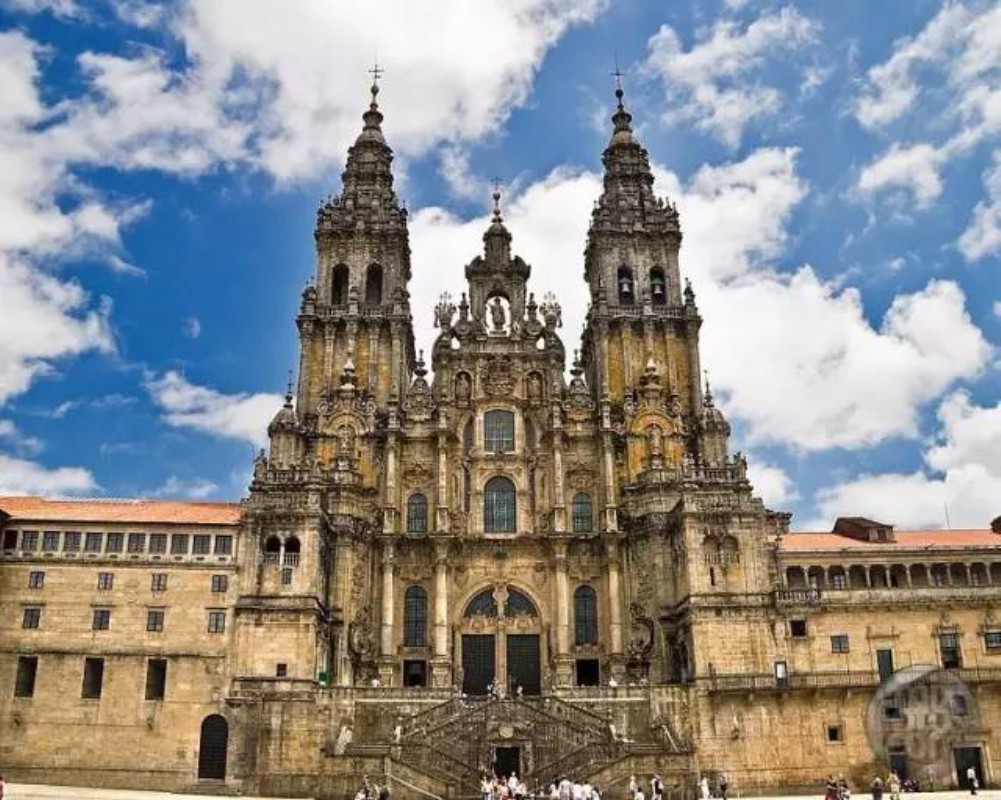
Common Elements of Spanish Architecture
Before building an SU model, it’s helpful to observe the characteristics of buildings in various cities. For example: Barcelona’s modernist style features curved facades and rich ceramic tile textures; the Andalusia region’s white walls with red-tiled roofs and ornamental flowerpots are also highly representative. Gathering photos and measurement data from sources like Spanish architecture paper model will help in accurately modeling with SU.
| City | Classic Style |
|---|
| Barcelona | Gaudí curves + colorful ceramics |
| Madrid | Neoclassical facades |
| Seville | Mudejar style decorations |
Tips for Building Models
- Organize by layers: Separate walls, roofs, and windows into different layers for easier control of display in SU.
- Texture mapping: Spanish architecture is rich in color and texture, so using high-resolution maps can enhance realism.
- Light and shadow simulation: Use SU’s shadow functions, adjusting for sunlight angles at various Spanish latitudes, to give the model a more lifelike feel.
Common Modeling Resources
In addition to the Spanish pavilion architectural model and the official SketchUp resource library, you can find many .skp files and texture materials on Spanish local architecture forums and gallery websites. Respect the copyright of original authors, and ideally choose freely licensed or self-made content.
Experience Sharing
Personally, when recreating historical architecture, it’s better not to rush into detailing everything at once. Start with simple geometric shapes to build the overall proportions, then gradually add decorations like carvings or wrought-iron window grilles. This approach not only improves efficiency but also allows for easy adjustments of scale and form.
I hope more friends in Spain can share their SU model screenshots and experiences, so that everyone can benefit from mutual reference and progress in [obj] projects and learning.
