Introduction to Spanish-Style Architectural Sketching
In Spain, whether strolling through the whitewashed towns of Andalusia in the south or the narrow streets of Barcelona’s Gothic Quarter, you’ll find unique and captivating architectural styles. Capturing these buildings through sketching is not only an act of artistic creation but also a process of observing life and culture. Many friends ask me how, when sketching on the street or working from photos, they can make their work feel more authentic to the Spanish style.
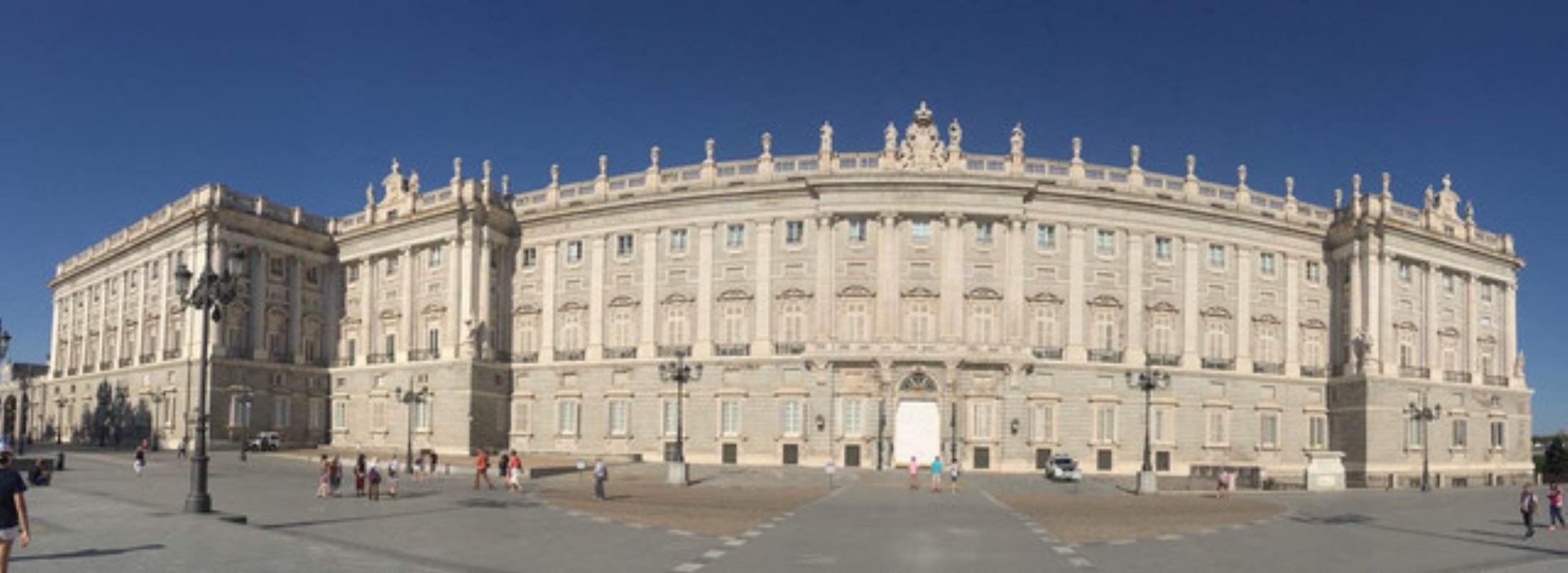
Observation and Composition
Before putting pen to paper, take some time to examine the rooftops, balconies, and arched windows. Common elements in Spanish architecture include terracotta roofs, wrought iron railings, and Spanish Architectural Style Sketching stone archways. When composing, try not to overcrowd the scene; leave some “breathing space” around the building to better convey the atmosphere of the place.
| Feature Element | Description |
|---|
| Terracotta Roof | Reddish-brown tiles with rich texture |
| Wrought Iron Balcony | Intricate patterns, often adorned with flower pots |
| Arched Windows and Doors | Romanesque or Moorish style |
Light and Color
Spanish sunlight is intense, with shadows that are sharply defined, which in sketches can be expressed through bold contrasts of light and dark. For example, in the south, whitewashed walls appear warm under the sun, while the shaded areas take on subtle blue-gray tones. This difference in color temperature is something many beginners tend to overlook.
Texture and Detail
When adding details, there’s no need to replicate photos exactly. For instance, use simplified lines to convey the raw texture of stone walls, allowing the viewer some room for imagination. The lines of wrought iron railings can be exaggerated slightly in their curves to add charm to the drawing. Just be mindful of proportions to avoid distorting the overall structure.
Practical Sketching Tips
- Carry a small notebook so you can jot down inspiration while traveling.
- Try limiting the number of colors—perhaps using only three or four main tones—so the drawing feels more cohesive.
- Practice different styles of strokes, from light outlines to bold lines.
Don’t be afraid to make mistakes; each piece helps you build experience.
In the forum, if you’d like, you can share your own sketches and reference photos so we can explore together how best to capture the charm of Spanish-style architecture.
