The Charm of Spanish Courtyard Water Architecture
Spanish courtyard culture has been deeply influenced by diverse civilizations such as Arabic and Roman, with water architecture playing a significant role. From the small towns of Andalusia to the Alhambra Palace in Granada, water features are not only decorative but also embody a way of life. The sound of flowing water fills the space with tranquility and poetry.
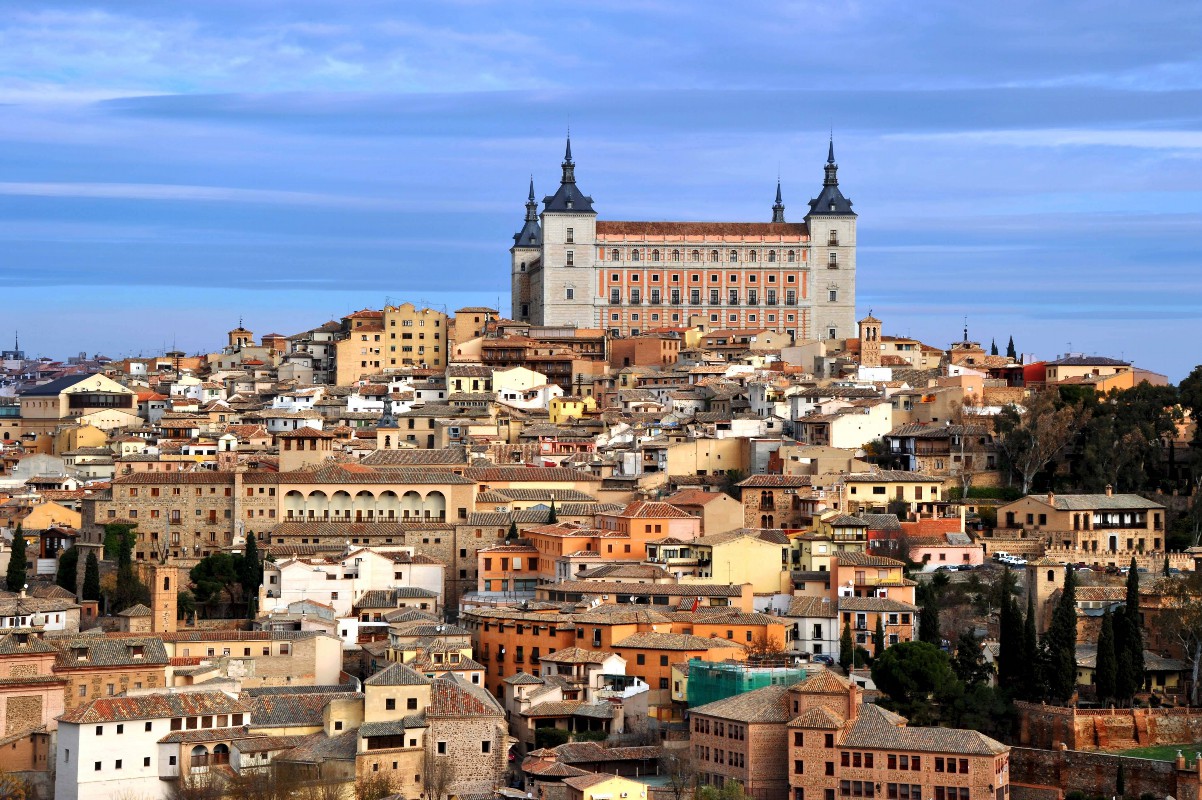
Historically, pools and fountains in courtyards served the dual purposes of cooling and purifying the air. This is not only a technique to beautify the environment but also a clever way to harness nature and climate. As you wander through the old town of Toledo, you might occasionally spot hidden courtyards with quietly flowing channels, reflecting the Spanish tradition of pursuing comfort in daily life.
Design Elements and Material Selection
Modern courtyard water architecture continues tradition while incorporating new materials and craftsmanship. Common elements include pool walls clad with colorful tiles, elaborately carved fountain centers, and Spanish courtyard wetland landscapes integrated with plants. Choosing weather-resistant materials helps maintain the beauty of the water feature over time; granite, ceramics, and waterproof cement are all reliable options.
| Element | Function |
|---|
| Fountain | Beautification and cooling |
| Pool | Water storage and landscape reflection |
| Water channel | Guide water flow and divide spaces |
Layout and Functional Integration
The layout of water features should match the courtyard’s spatial conditions and usage needs. For example, small courtyards are well-suited for linear water channels or wall-mounted water curtains, saving space while creating a dynamic atmosphere. Large open courtyards can adopt a central fountain with four-directional waterways, a layout often seen in Andalusian historic homes.
Finding a balance between function and aesthetics is key to successful design. Beyond the visual appeal, water features can increase air humidity and improve dry environments, which is especially valuable during hot seasons in southern Spain.
Maintenance and Sustainability
Long-term water systems require regular cleaning and upkeep to prevent algae growth and pump blockages. In modern designs, some homeowners introduce circulating filtration systems to save water and reduce maintenance costs. Sustainability is not just an environmental concept, it also ensures the water feature retains its original beauty for years to come.
Whether in historic courtyards or modern designs, Spanish courtyard water architecture showcases the dialogue between humans and nature. This space, blending art, function, and ecology, will fill life with leisure and inspiration.
