Overview of Spanish Apartment Architecture
Spain, with its rich architectural history, offers a wide variety of apartment types—from traditional Andalusian whitewashed buildings to modern high-rise towers with glass curtain walls—each reflecting distinct cultural and historical eras. For those interested in the construction cycle of Spanish apartments while living in Spain, understanding the structure, layout, and community facilities can help in choosing the most suitable residence.
Common Apartment Types
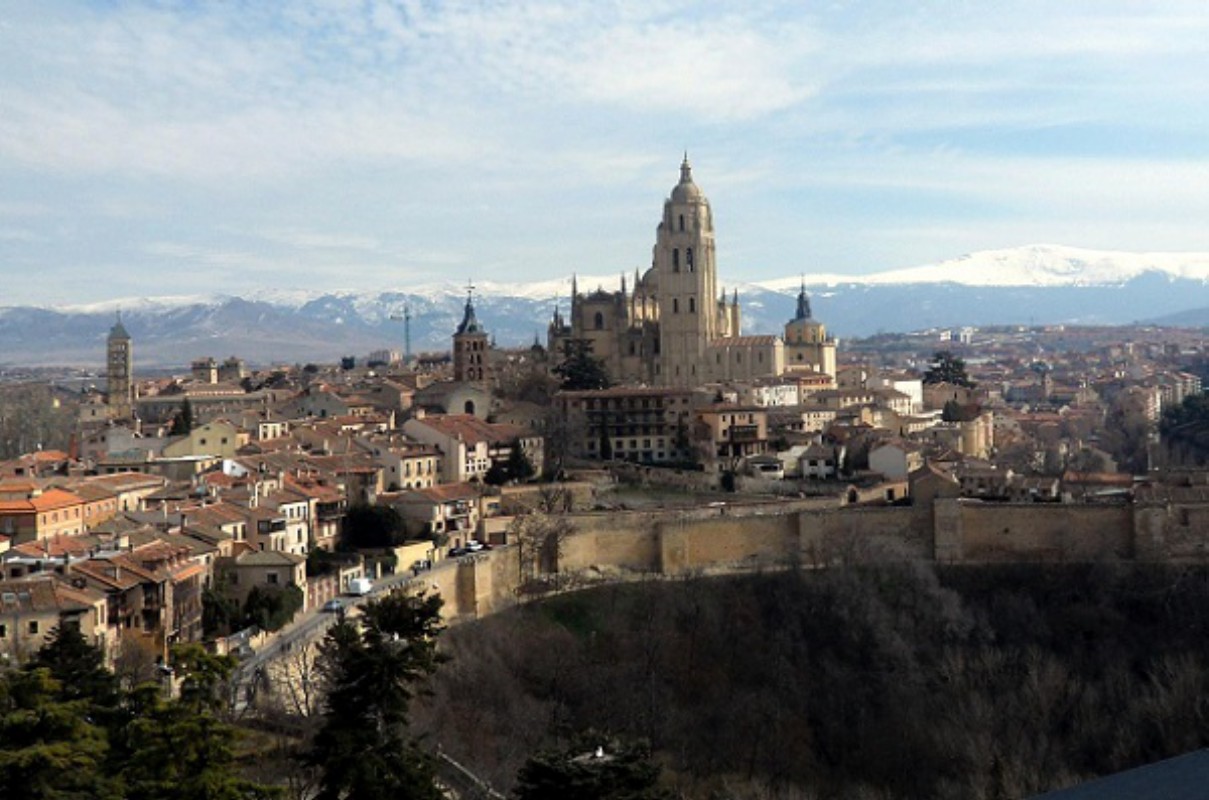
In major Spanish cities such as Madrid and Barcelona, common apartment types include: Historic preservation building converted apartments, modern high-rise residences, and beachfront holiday apartments. These different types vary in construction materials, building height, and balcony design. For example, apartments in the old town often feature higher ceilings and decorative balconies, while newly built high-rises focus more on natural lighting and sound insulation.
Structure and Layout
Many Spanish apartments use brick-concrete structures, with thick walls providing excellent sound insulation. Interiors typically feature key spaces like a living room, bedrooms, kitchen, and bathroom. Notably, entrance halls in traditional buildings are important, serving not only as a place to change shoes but often including small storage cabinets for daily convenience.
| Space Type | Feature Description |
|---|
| Living Room | Bright and airy, often with French balconies |
| Kitchen | Separate or semi-open, tiled walls for easy cleaning |
| Bedroom | Often equipped with built-in wardrobes |
| Bathroom | Includes a bathtub or shower enclosure |
Regions and Amenities
Apartment surroundings vary greatly between different cities and areas. In city centers, metro stations, shopping malls, and schools are often within walking distance; whereas in suburban or coastal areas, lifestyles are more car-oriented, with communities possibly offering shared pools, gardens, or even gyms. Choosing an overly remote area may mean that Spanish architectural style apartments result in inconvenient commuting, so this should be considered in advance.
Conclusion and Suggestions
If planning to live long-term in Spain, it is advisable to match personal needs and budget with onsite inspections of building quality and community environment. Whether seeking the historical charm of old town apartments or the modern convenience of high-rise residences, making a suitable choice can lead to a more comfortable and enjoyable life. We hope these insights serve as a reference for your residential decisions in Spain and invite you to share your own move-in experiences and viewing tips to exchange more information within the community.
