Detailed Analysis of Architectural Features of Spanish Palaces
When talking about Spain, many people first think of beaches and bullfighting, but the palace architecture here is equally breathtaking. From the Middle Ages to modern times, Spain’s royalty and nobility have left behind numerous magnificent palaces that showcase diverse architectural styles and a rich history.
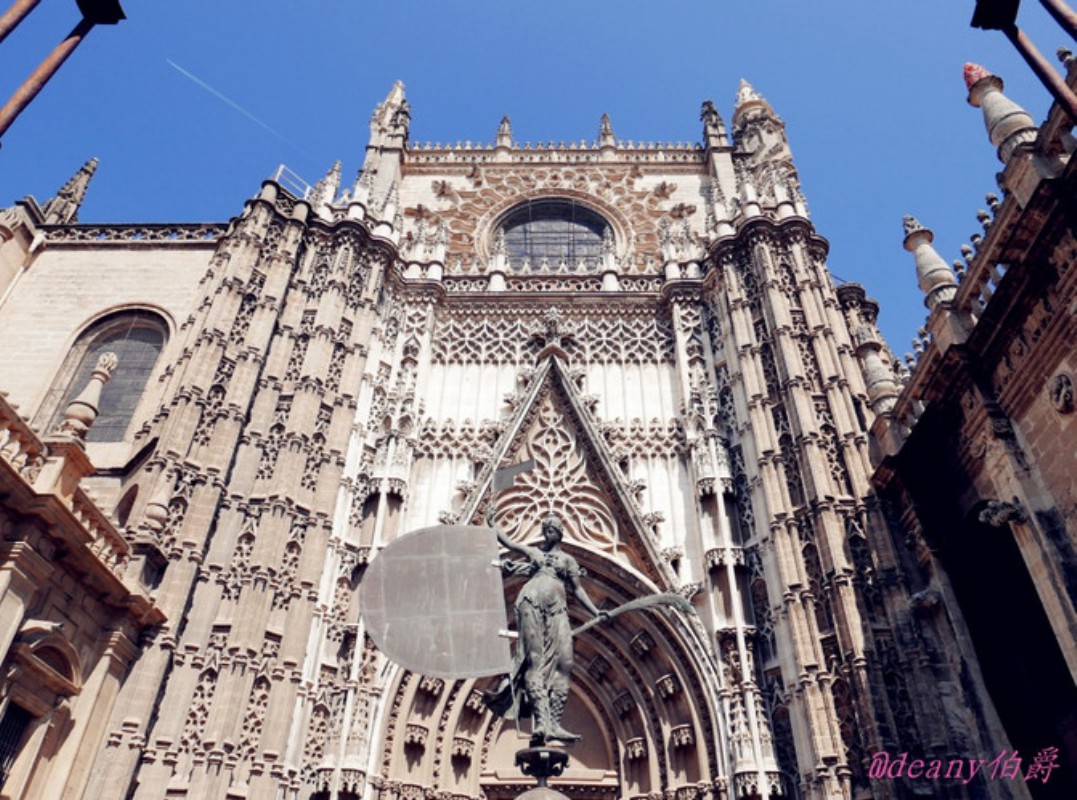
Fusion of Multiple Styles
The most distinctive feature of Spanish palaces is the fusion of styles. Influenced by [Moor] culture, many palaces adopt intricate geometric patterns and exquisite tile decorations, while also inheriting Gothic, Renaissance, and Baroque styles from mainstream European architecture. For example, the Alhambra in Granada blends Islamic and Western European architectural elements, creating a unique aesthetic.
Spatial Layout
In terms of spatial layout, Spanish palaces often use a courtyard-style design, with columns and corridors surrounding the central courtyard to facilitate ventilation and natural light. The interiors commonly include religious spaces, small gardens, and Spanish palace architecture fountains, reflecting the idea of harmony between people and nature.
| Palace Name | Main Style |
|---|
| Royal Palace of Madrid | Baroque |
| Alhambra | Islamic-Gothic fusion |
| Monastery and Royal Palace of El Escorial | Renaissance |
Building Materials and Craftsmanship
Regarding materials, Spanish palaces often use marble, natural limestone, and carved wood. Walls are typically decorated with painted stucco and mosaic artistry, while roofs often feature red ceramic tiles. Delicate carvings and complex arched structures not only showcase the craftsmen’s skills but also reflect the aesthetic standards of different historical periods.
Representative Palaces
In addition to the Spanish Inverted Palace, well-known examples such as the Royal Palace of Madrid and the Alhambra stand out. The Royal Alcázar of Seville is renowned for its Mudéjar style, while the Alcázar of Toledo strikes a balance between military and royal functions. These buildings are not only works of art but also witnesses to history.
Cultural Significance
Spanish palaces are not merely symbols of power and wealth, but also products of cultural fusion and global exchange. Today, many palaces are open to the public, serving as important windows for visitors to understand Spain’s history and culture, and offering living examples for the study of architectural history.
Have you ever visited these palaces? Or discovered buildings in your city with palace-like elements? Feel free to share your experiences and thoughts below.
