Spain’s Boldest Rogue Architects
In Spain’s architectural circles, certain names are often mentioned — not because they designed grand landmarks, but because their projects dared to challenge the rules. Illegal construction here, as highlighted in Spain’s illegal buildings, is no small matter; it touches on legal issues as well as community, cultural, and even tourism concerns. Many believe this is also part of the unique landscape of certain Spanish cities.
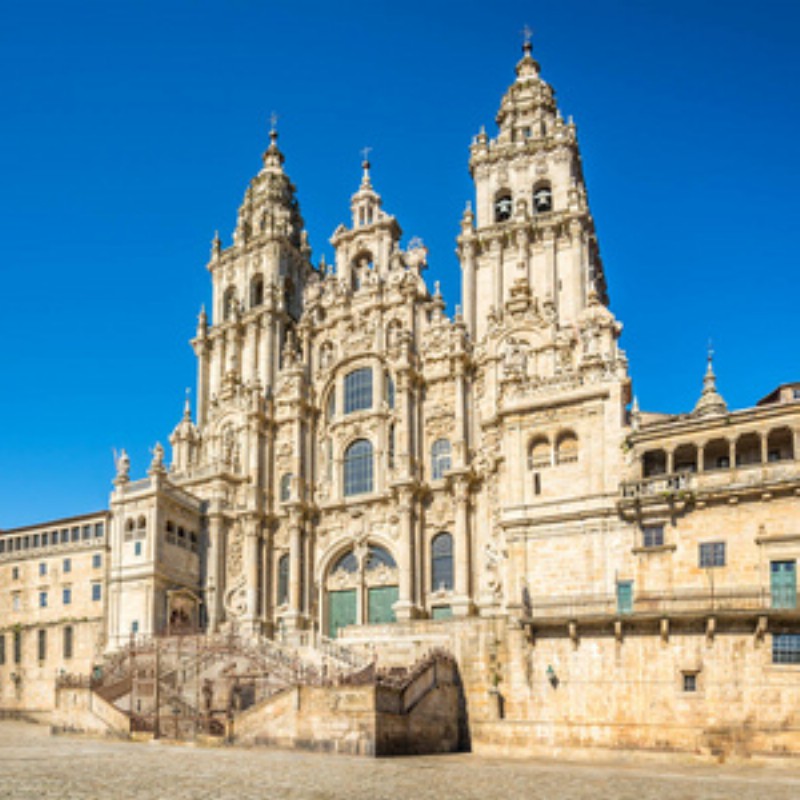
From Barcelona to Andalusia: The Map of Illegal Constructions
One of Barcelona’s most famous cases is the Sagrada Familia. While it is now a globally renowned tourist attraction, legally it only recently obtained full permits. Similar stories abound in Andalusia, such as rural spots where small balconies are casually added beside historic buildings — not compliant with preservation rules, yet becoming a popular topic over coffee among locals.
| City | Representative Illegal Construction |
|---|
| Barcelona | Sagrada Familia |
| Granada | Illegal balcony additions in old quarters |
| Malaga | Unauthorized beachfront holiday home |
Why Do They Dare to “Break the Law”?
Some architects are even dubbed the city’s rebellious designers. Reasons vary: some rush to meet deadlines to attract investment, others face outdated regulations, and in some cases local governments tacitly allow it. Some say such cases, as described in Spain’s shocking illegal building cases, show ingenuity, while others believe they disrupt urban order.
Impact on Urban Culture
Illegal construction is not just a matter of regulations — it also influences Spain’s urban aesthetics and culture. In Granada, for instance, rogue additions sometimes blend Moorish arch designs, creating a unique streetscape. This creates a dilemma: should the strictness of the law be upheld, or should these unexpected beauties be preserved?
Future Trends and Debates
From a national perspective, recent years have seen a much stricter crackdown on illegal construction. However, tourism pressures and local emotional connections make the issue even more controversial. Perhaps in the future there will be more flexible solutions — for example, setting different restoration standards based on architectural aesthetic value rather than imposing a one-size-fits-all policy.
What do you think? Are these “boldest rogue architects” destroyers or creators? Feel free to share your opinion in the discussion.
