The History and Reality of Unauthorized Church Constructions in Spain
In many historic districts of Spanish cities, churches are not only centers for religious activities but also integral parts of local life. In recent years, however, some churches have been revealed to have engaged in unauthorized construction during expansions or renovations. This phenomenon has sparked public debate and forced people to confront the tension between law and tradition.
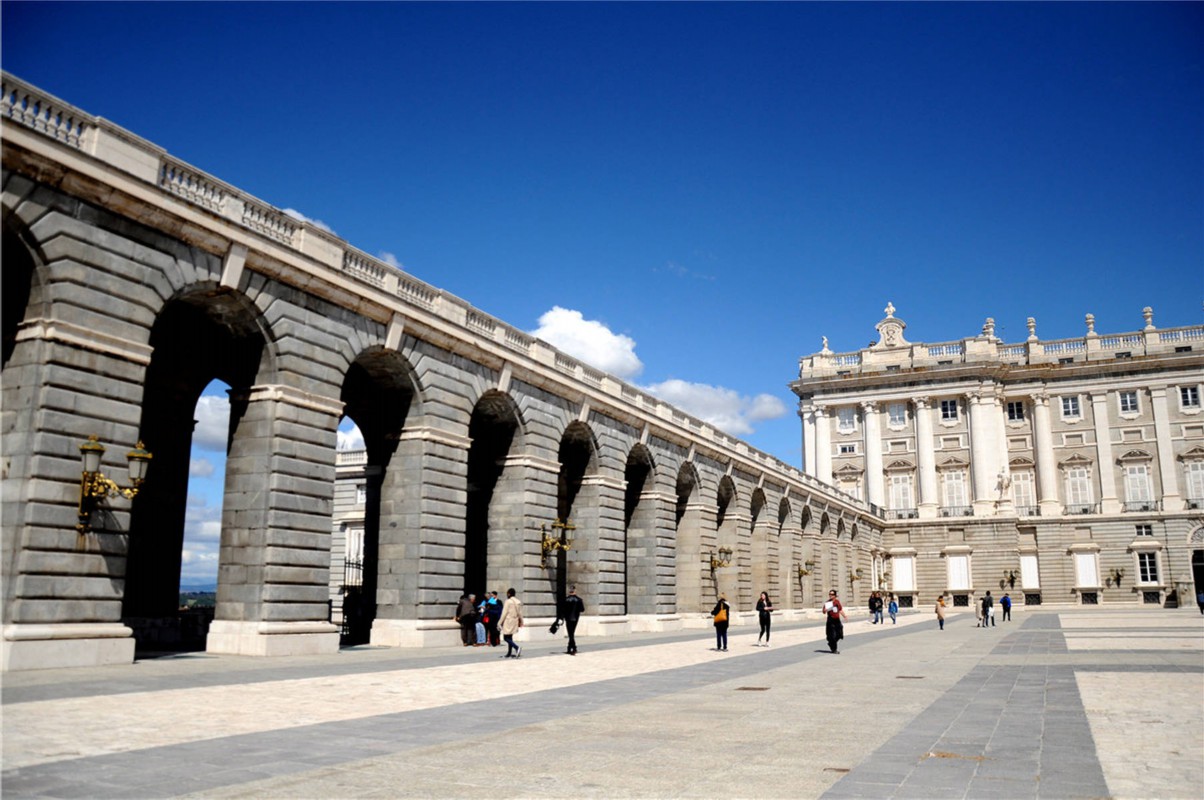
What Constitutes Unauthorized Construction
According to Spain’s urban planning law, buildings must comply with designated land use and permit regulations. However, many churches, when adding auxiliary facilities, enlarging halls, or renovating bell towers, have failed to apply for the required permits, and in some cases, have even occupied public spaces. This is particularly common in small towns, where local governments often adopt a lenient stance towards religious institutions.
| Category | Description |
|---|
| Addition of auxiliary facilities | New warehouses or parish rooms without planning permits |
| Occupation of public space | Expanded courtyards impacting road access |
The Conflict Between Law and Culture
Religious buildings hold a long-standing historical and cultural significance in Spain, and many believers consider church expansion justified to meet community needs. From a legal standpoint, however, even historic buildings must follow current regulations. In some cases that reach court proceedings, local residents have even organized demonstrations opposing forced demolitions.
This friction between cultural values and legal requirements is key to understanding the issue of unauthorized churches.
Community Impact and Public Discussion
Unauthorized church constructions can not only Spain unauthorized constructions affect urban planning, but also Spanish unauthorized construction cases hinder the use of public spaces. For example, roads may be blocked, or new buildings erected beside historical landmarks might damage the original scenery. This phenomenon calls for serious consideration by both city management and residents. Some forum members have suggested establishing a more transparent approval process, allowing religious institutions and the public to participate jointly in decision-making.
Strategies and Recommendations
Faced with this situation, neither complete leniency nor a blanket ban is suitable. A reasonable approach would be to strengthen oversight while respecting the role of churches in community culture. In the future, certain regulations might be modified to grant historic religious buildings special approval channels, ensuring that public interest remains protected. This way, cultural heritage can be preserved while adhering to the law, fostering community harmony.
What are your thoughts on the issue of unauthorized church constructions in Spain? Does your city have similar cases? Share your observations and opinions in the comments.
