Analysis of the Causes of Building Slippage in Spain
For those living in Spain, you may have heard or even witnessed news of buildings experiencing slippage, tilting, or partial collapse. This is not random—it is often closely related to local geological conditions, structural design, and maintenance management. Some believe this is only an issue with old buildings, but in fact, newly constructed ones may face the same risks.
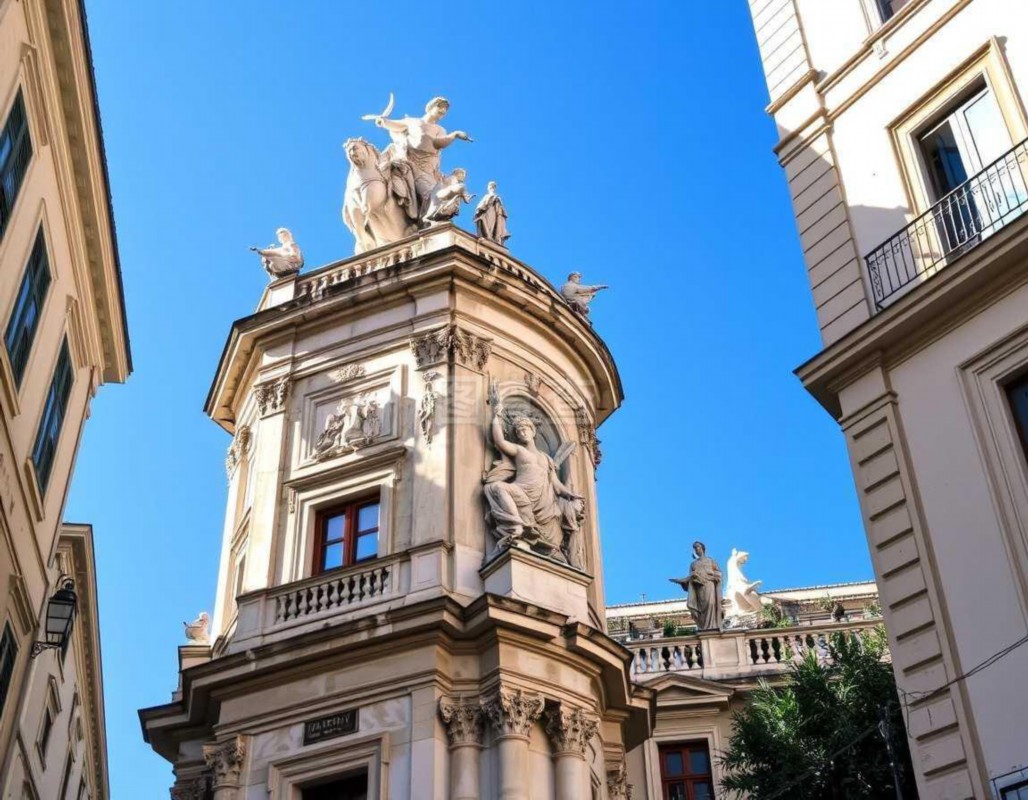
Geological and Environmental Factors
In certain regions of Spain, foundations are laid on sandy soil or clay, where changes in moisture content can cause subsidence; coastal areas face salt spray corrosion that accelerates the rusting of steel reinforcement. Moreover, the recent increase in extreme weather—with alternating heavy rains and droughts—has made soil shrinkage and expansion more pronounced. These changes occur imperceptibly yet continuously act on building structures.
Design and Construction Flaws
Some buildings in the design phase fail to fully account for geological conditions, such as ignoring buoyancy risks caused by underground water dynamics; if during construction there is corner-cutting or improper concrete mix ratios, under long-term loads the structure may develop Causes of building damage resulting in stress cracks. In some cases, due to a lack of qualified supervision, the building exhibited slight displacement shortly after completion.
Inadequate Maintenance Management
Old buildings require regular inspections, but in some residential or commercial properties, owners neglect this responsibility, allowing early cracks and water seepage issues to accumulate into major failures. Especially in small towns, maintenance funds are often temporarily diverted, leading to costly repairs by the time ground tilting or wall collapse becomes apparent. Proper maintenance can not only extend the building’s lifespan but also reduce the risk of slippage.
| Common Causes | Typical Signs |
|---|
| Unstable foundation | Wall cracks, warped doors/windows |
| Material corrosion | Rusted steel reinforcement, spalling concrete |
| Poor drainage | Water pooling on ground, basement seepage |
Prevention Advice
Residents can regularly check walls, doors, windows, and floors for signs of displacement; owners should clear drainage facilities after the rainy season. At the same time, architects and developers should thoroughly assess geological and climate conditions, use corrosion-resistant materials, and ensure construction quality. Communities can establish inspection mechanisms, ensuring public buildings undergo at least one professional check per year.
Conclusion
Building slippage not only causes economic losses but may also Causes of building damage in Spain threaten lives. Understanding the causes and actively preventing them is a responsibility for everyone living in Spain. We encourage people to share more real cases and experiences in forums so that others can avoid making the same mistakes.
